Free worldwide shipping on orders over $89

Cart

Your cart is currently empty.

Continue shopping
You May Also Like

Potala-Certified Tibetan Buddhist Art

Since 1997, Guardians of Himalayan Craftsmanship
Get Your Sacred Art

Potala Tri-Sādhanā : Fire Puja, Mandala, Pilgrimage
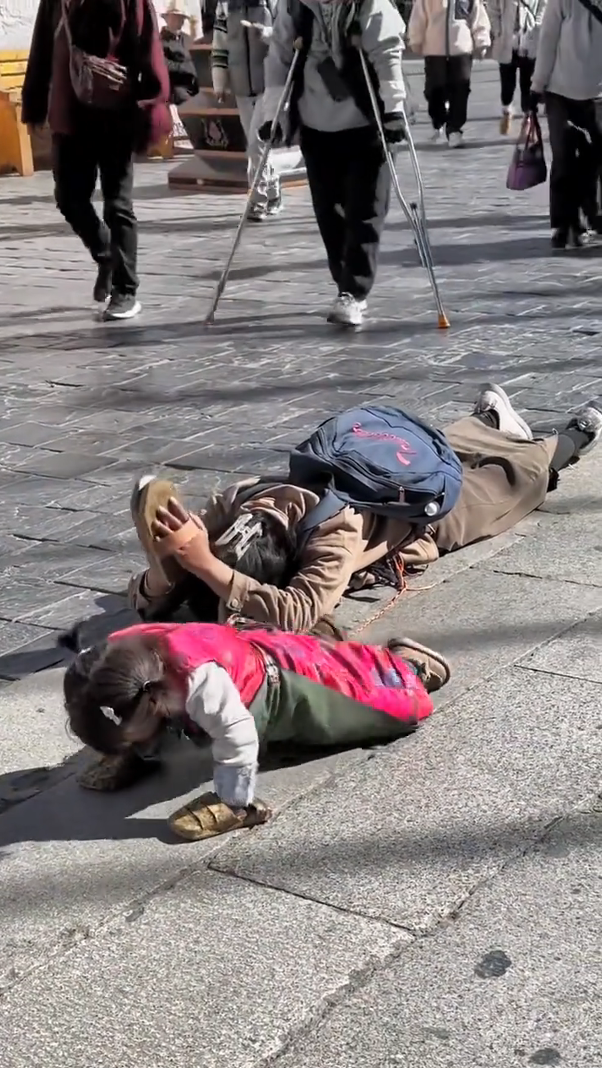
Pilgrimage

Visiting sacred sites to express reverence for the Three Jewels through prostration and circumambulation. ​

Personal Practice Thangka

Purify the mind, accumulate merit, and deepen the understanding of the Dharma.

Large-scale thangka offering

Helping practitioners better understand the Dharma and accumulate merit.

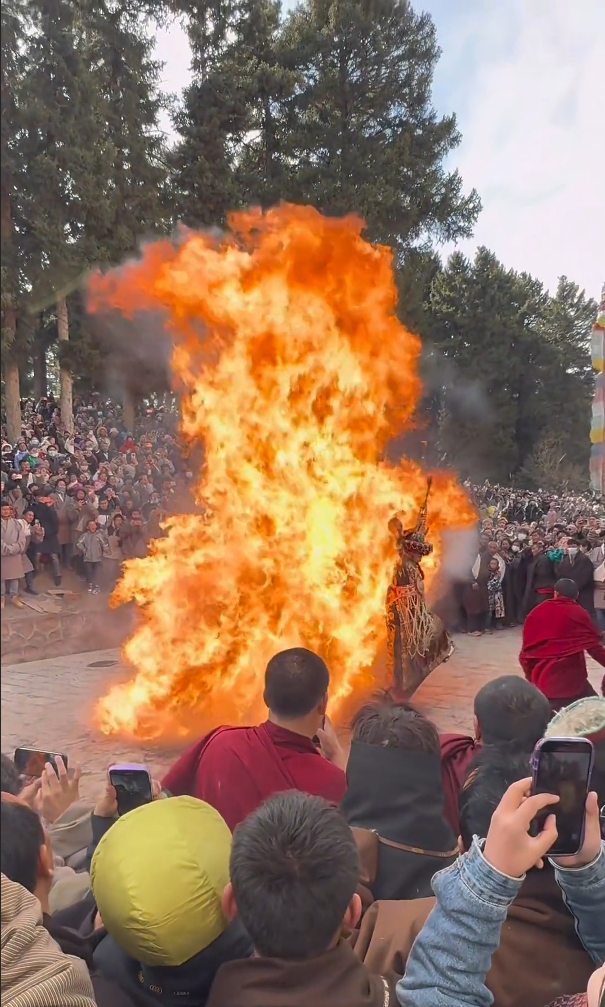
Fire Puja

A ritual that purifies obstacles, accumulates merit, and invokes blessings

Potala Tri-Sādhanā : Fire Puja, Mandala, Pilgrimage
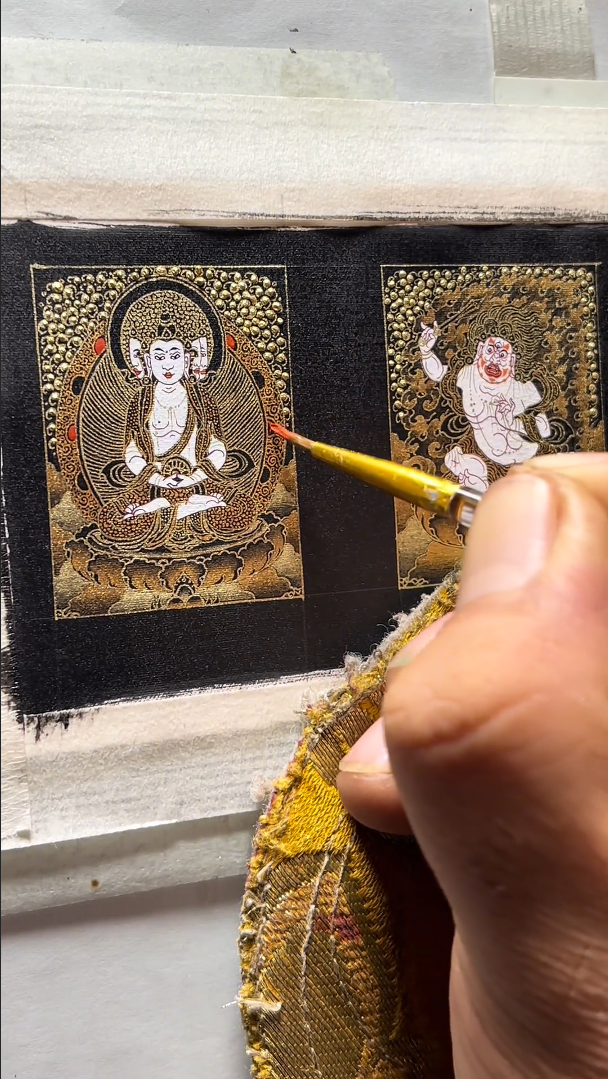
Pilgrimage

Visiting sacred sites to express reverence for the Three Jewels through prostration and circumambulation. ​

Personal Practice Thangka

Purify the mind, accumulate merit, and deepen the understanding of the Dharma.

Large-scale thangka offering

Helping practitioners better understand the Dharma and accumulate merit.

Fire Puja

A ritual that purifies obstacles, accumulates merit, and invokes blessings

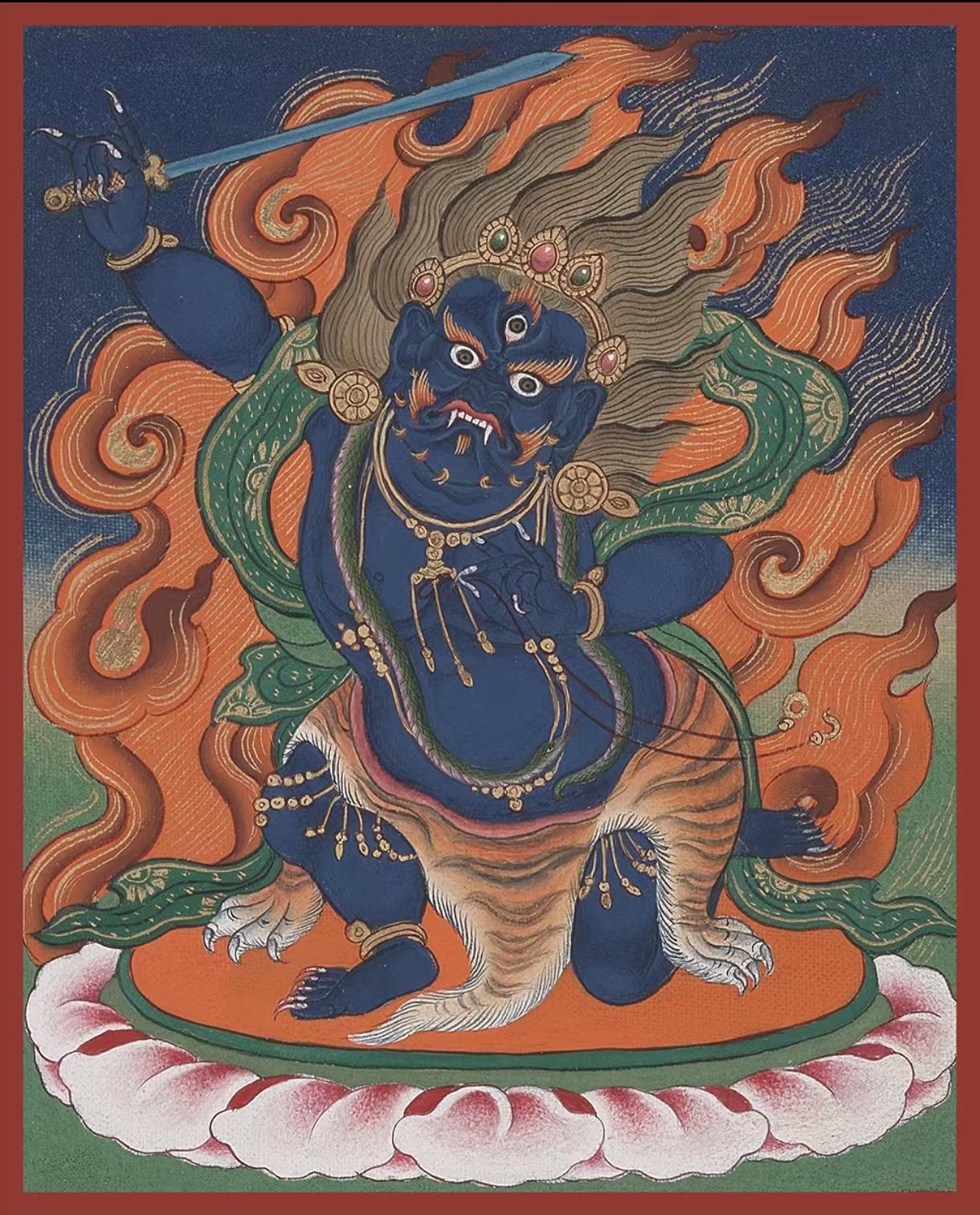
Sacred Artistry: Timeless Thangka Masterpieces

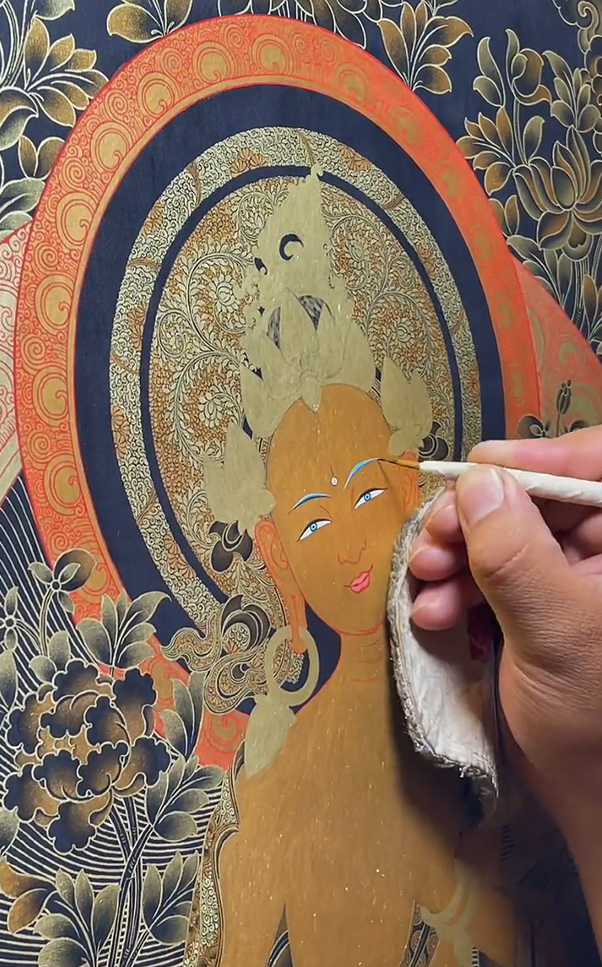
Handcrafted in Lhasa by lineage masters, each thangka carries centuries of Tibetan Buddhist tradition.

Sacred Craftsmanship:
2–6 months of meticulous work, using lapis lazuli, cinnabar, and 24K gold with sacred geometry.

Spiritual Power:
Optional blessings by senior lamas, with inscribed mantras to awaken inner resonance.

Authentic Heritage:
A national intangible heritage—not mass-market Nepali reproductions, but heirloom works for true devotees and collectors.
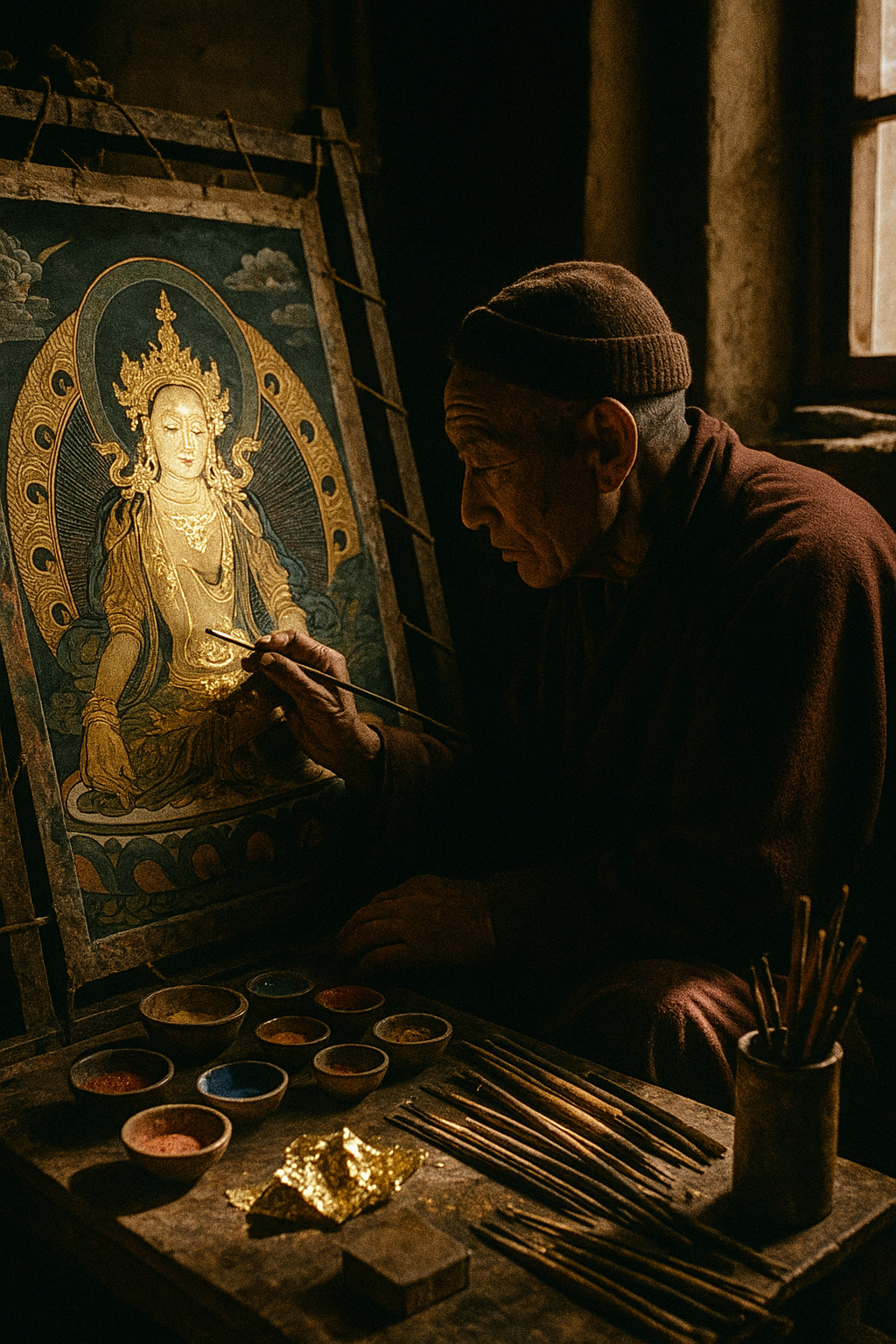
Chanting in Tibetan Buddhism

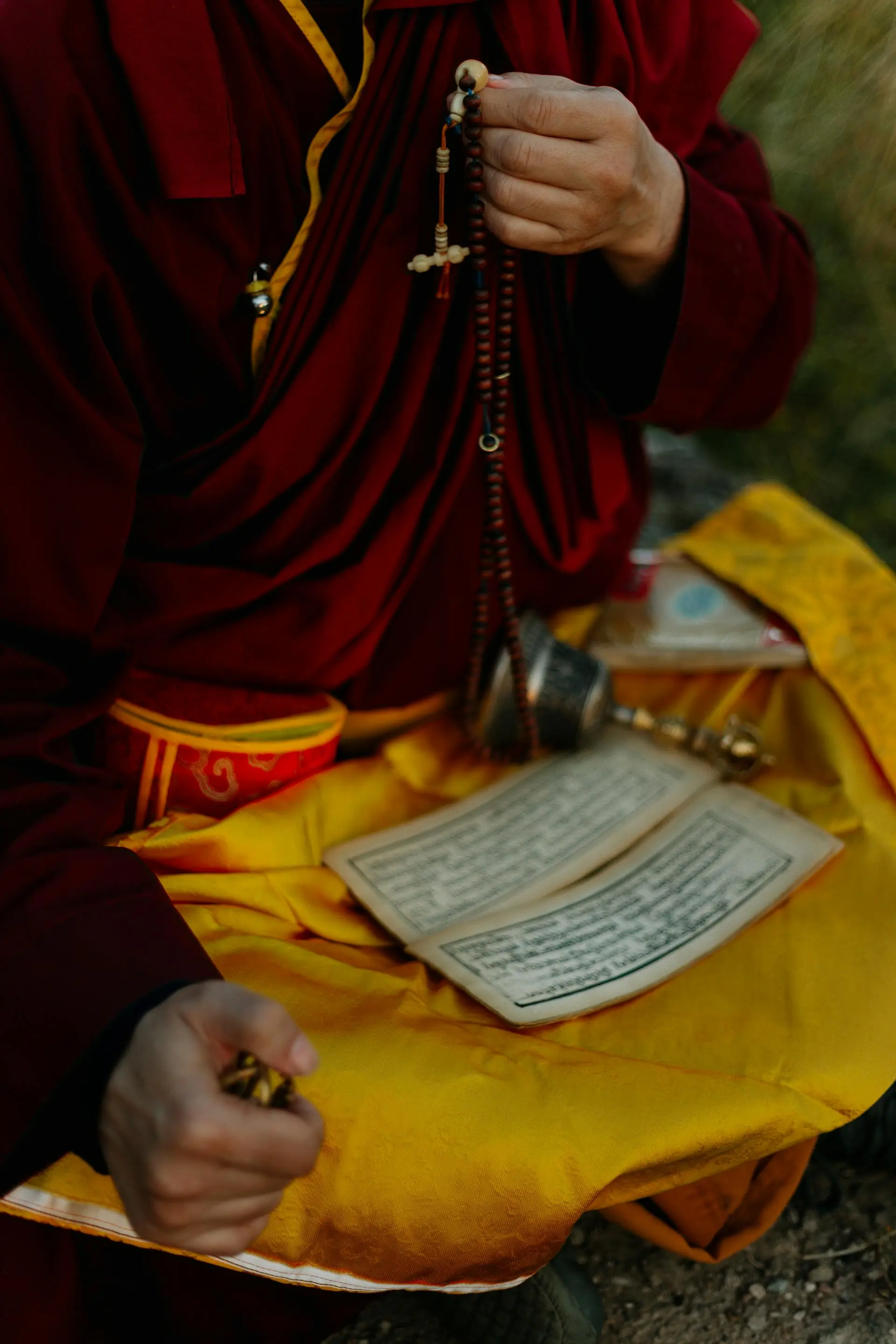
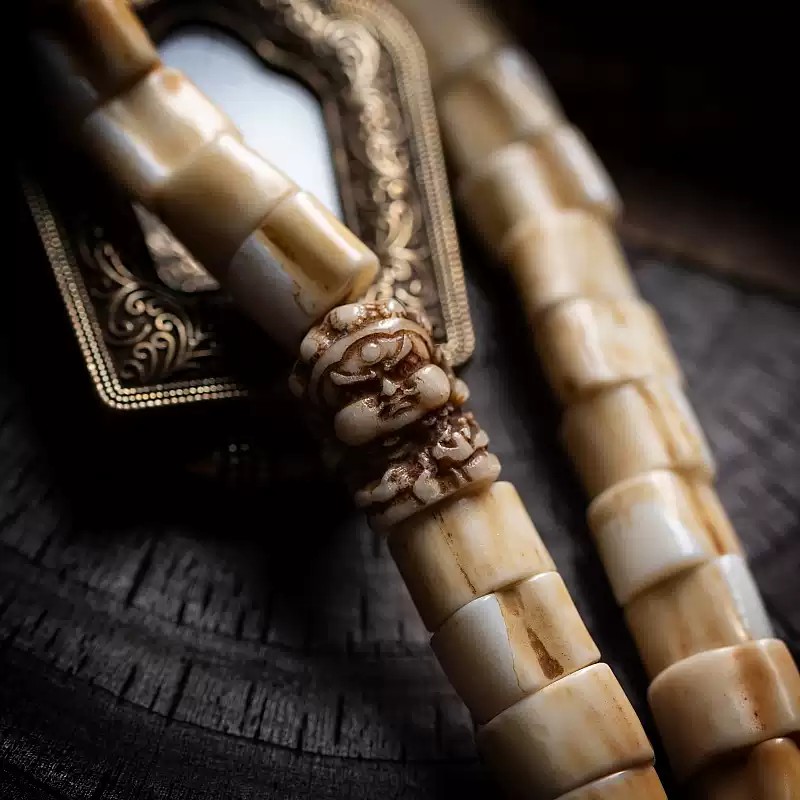
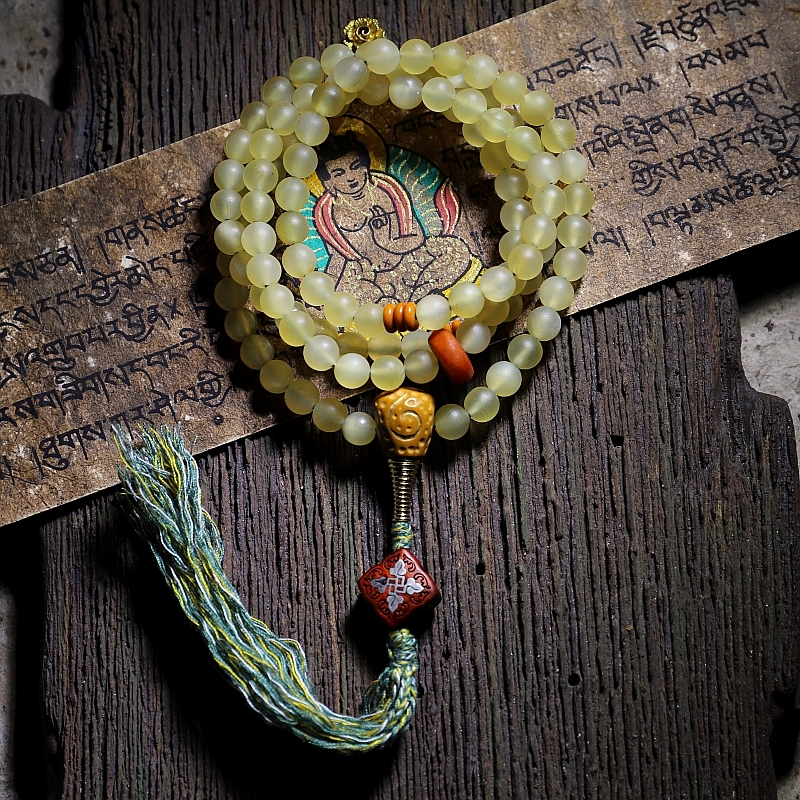
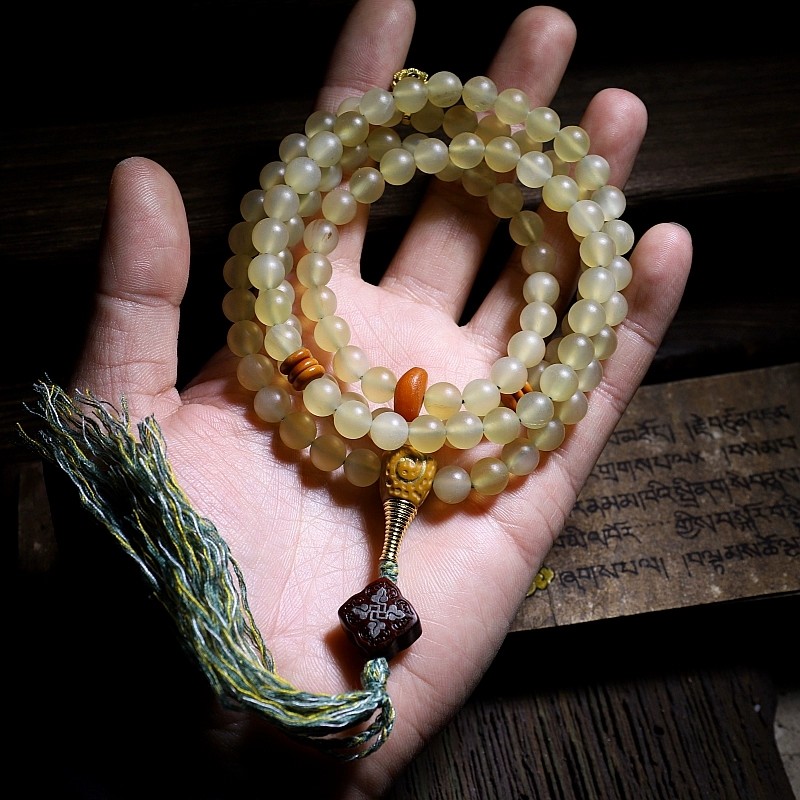
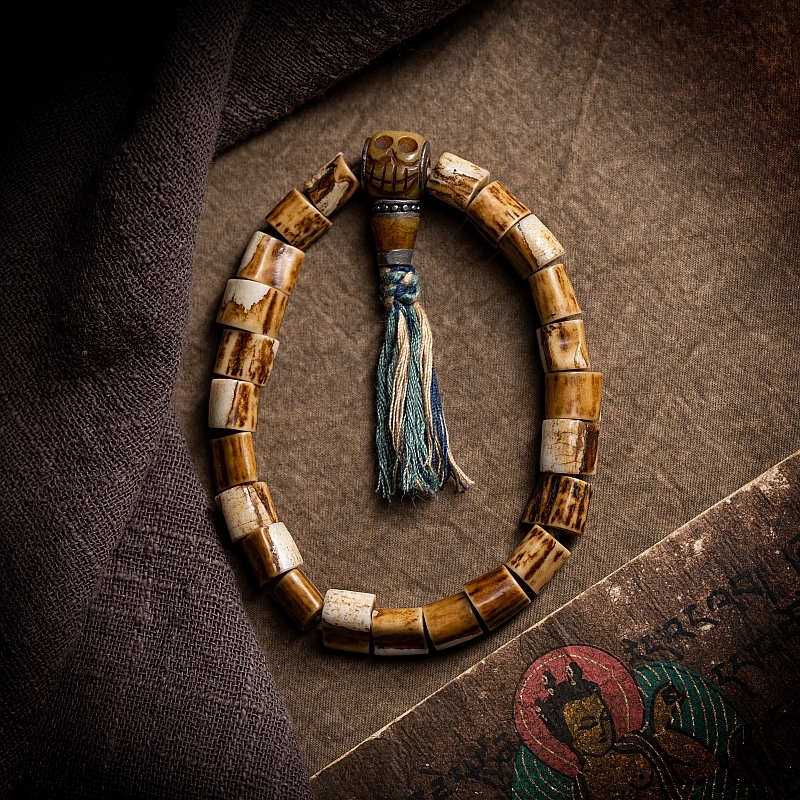
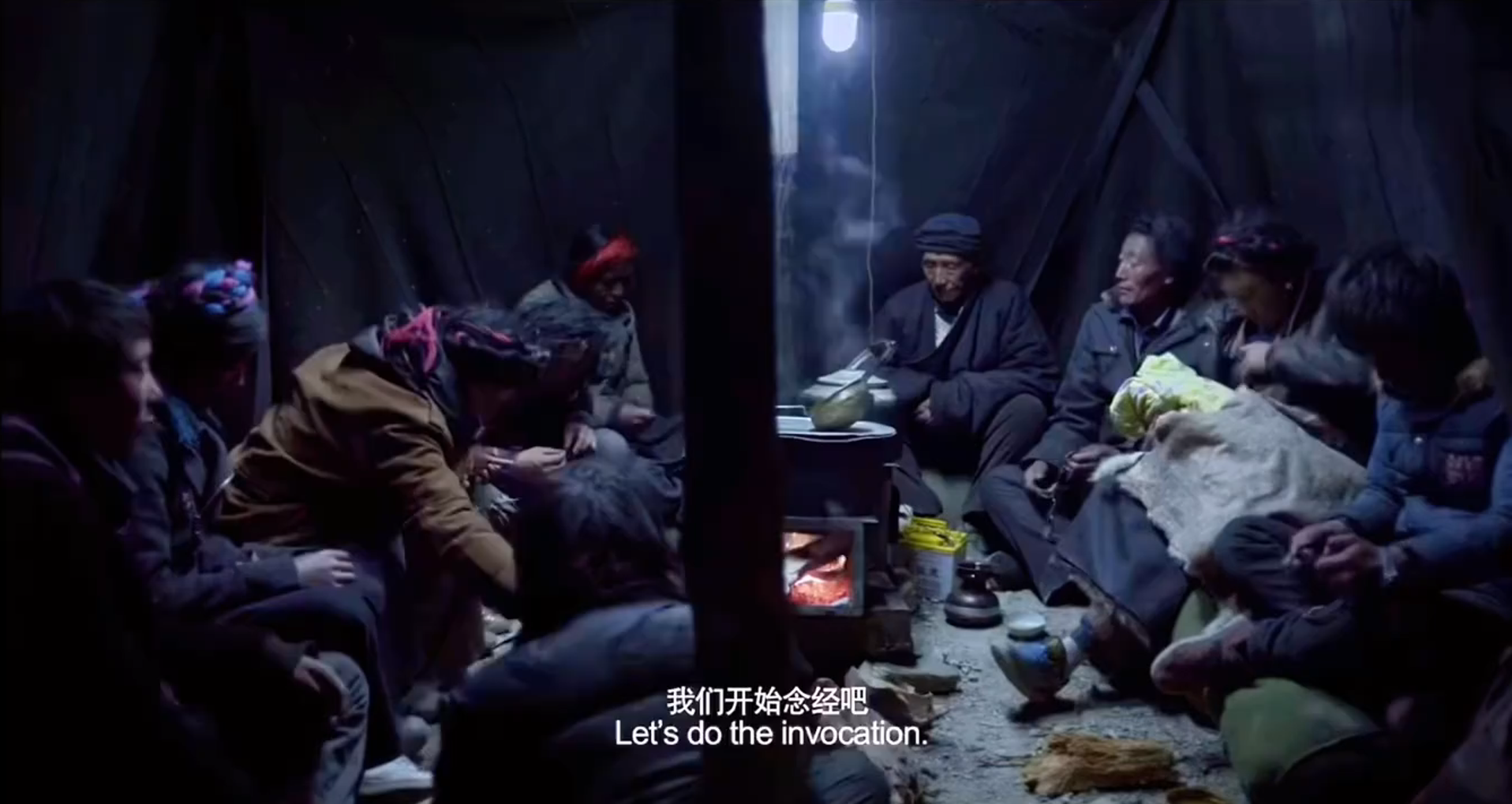
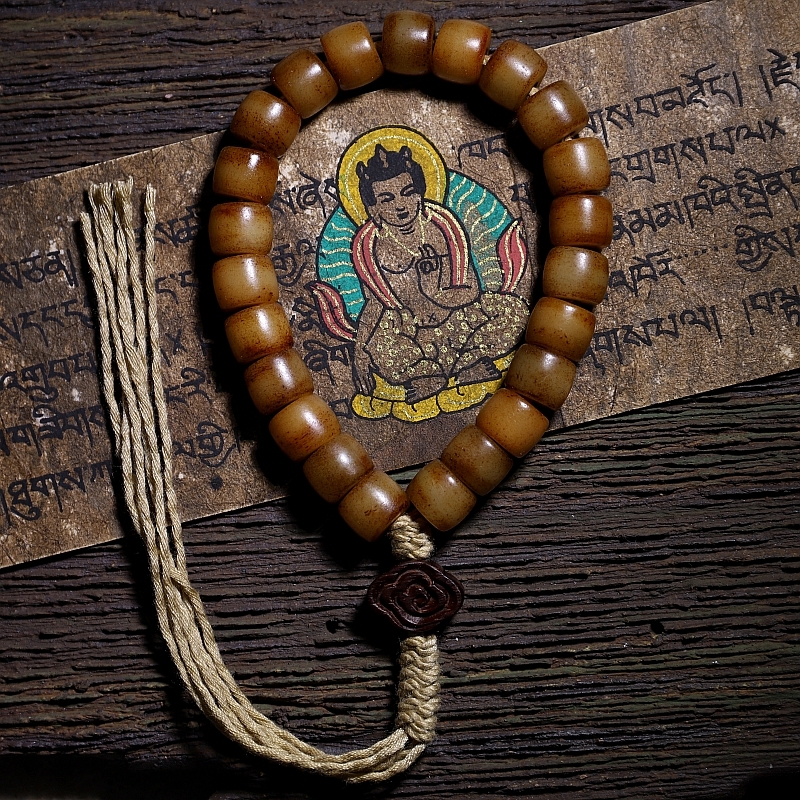
In Tibetan Buddhism, the practice of chanting sacred mantras is more than a spiritual routine—it is a profound method of cultivating inner awareness, compassion, and mental clarity. Devotees often recite mantras like the revered Om Mani Padme Hum, believed to purify thoughts, accumulate merit, and extend blessings to all beings.

Tibetan Buddhism

Cultural Origins and Spiritual Essence
7th Century
Songtsen Gampo unified Tibet and introduced Buddhism through Princess Wencheng (Han Chinese Buddhism) and Princess Bhrikuti (Nepalese Buddhism). They brought sacred statues, including the ​12-year-old Jowo Shakyamuni Statue, which became the prototype for Tibetan Buddhist iconography
Late 8th Century
King Trisong Detsen invited Indian masters Śāntarakṣita and Padmasambhava to Tibet. Padmasambhava subjugated local Bon deities, establishing ​Samye Monastery—the first Buddhist monastery in Tibet—and merging tantric rituals with Bon practices
10th–13th Century
After Langdarma’s persecution, Buddhism was revived during the Later Diffusion, giving rise to the Nyingma, Sakya, and Kagyu schools, alongside a flourishing of Tantric art. Sakya Pandita’s alliance with Mongol Prince Godan led to Tibet’s integration into the Yuan Empire and the formation of the Patron-Priest Relationship between Tibetan Buddhism and Mongol rulers.
15th Century
Tsongkhapa founded the ​Gelug school, emphasizing monastic discipline and systematizing ​thangka iconometry (The Measurement Sutra). The ​Dalai Lama and ​Panchen Lama reincarnation systems were formalized
21st Century
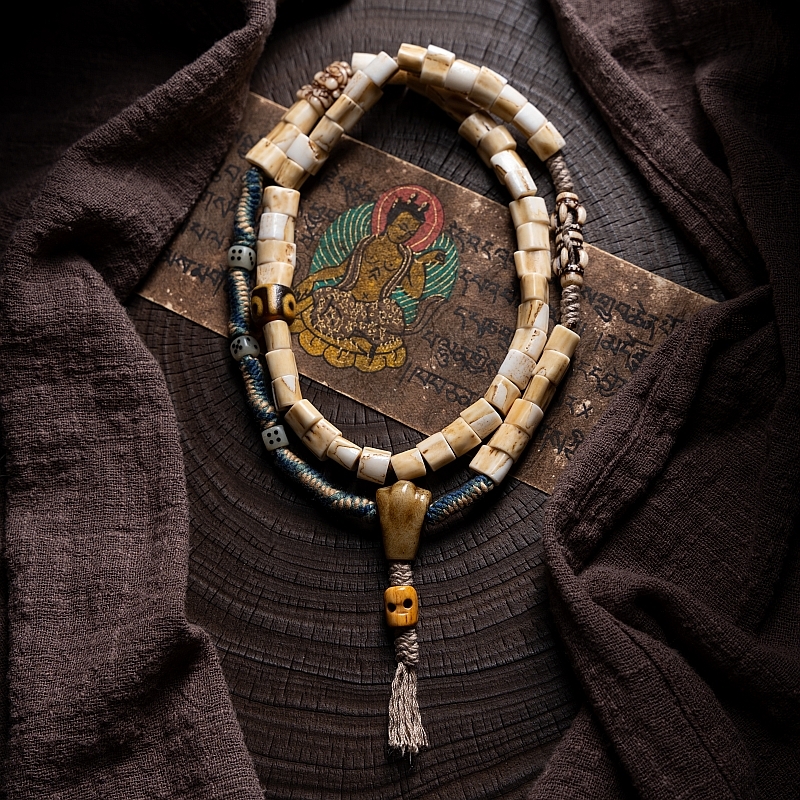
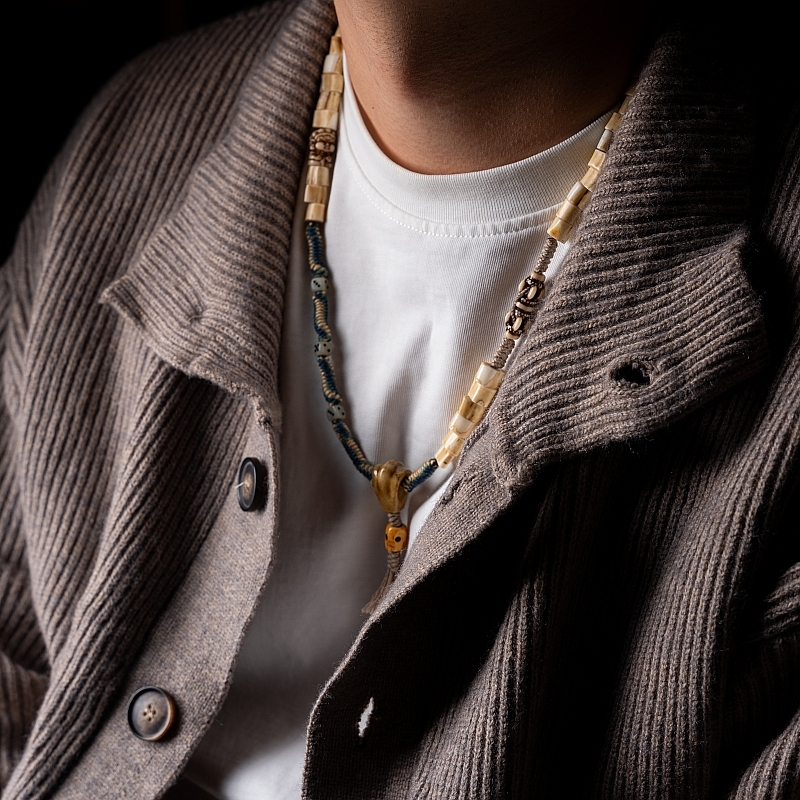
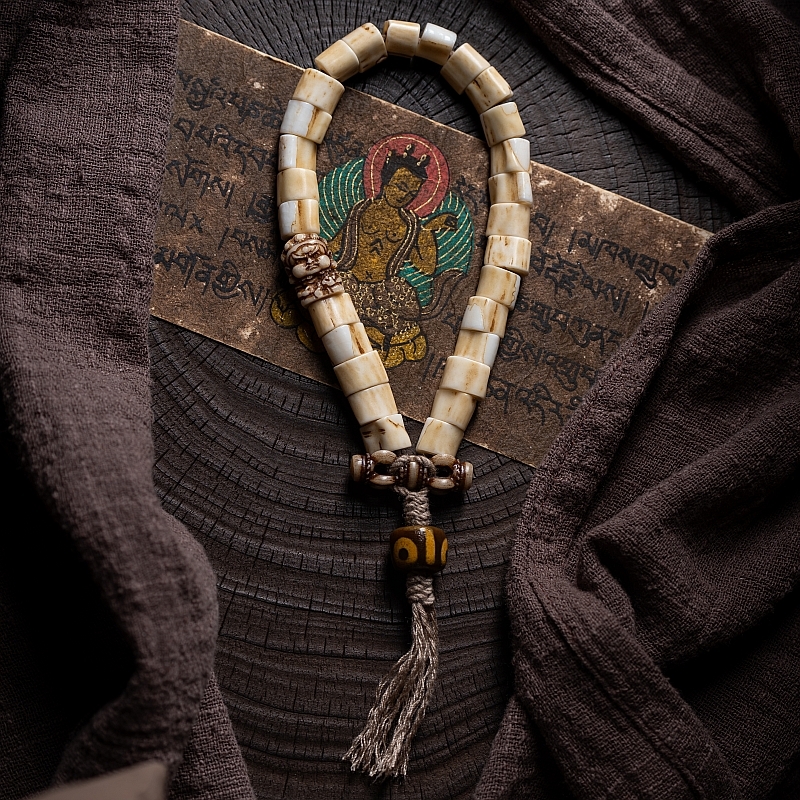
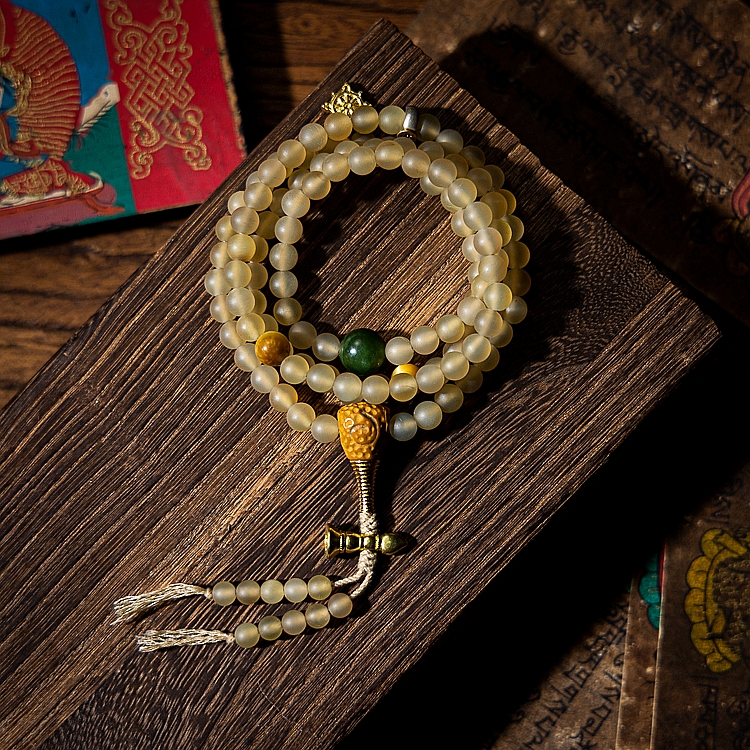
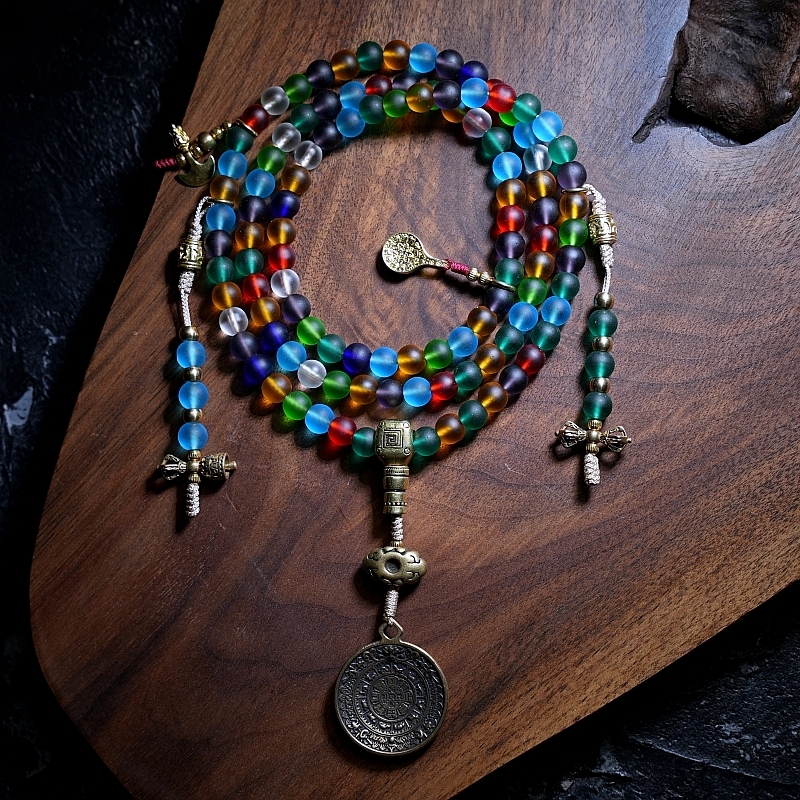
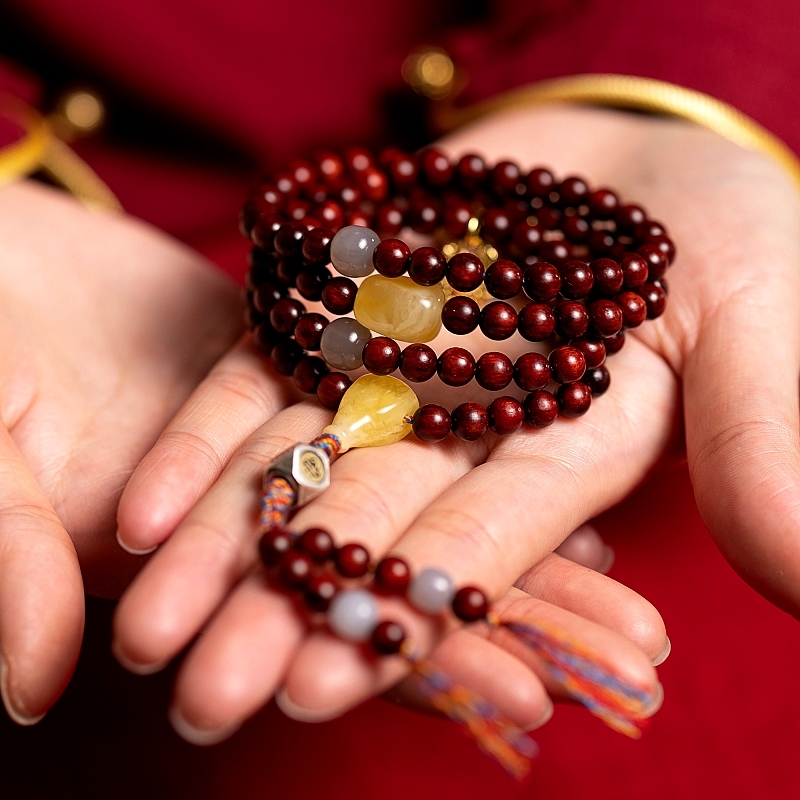
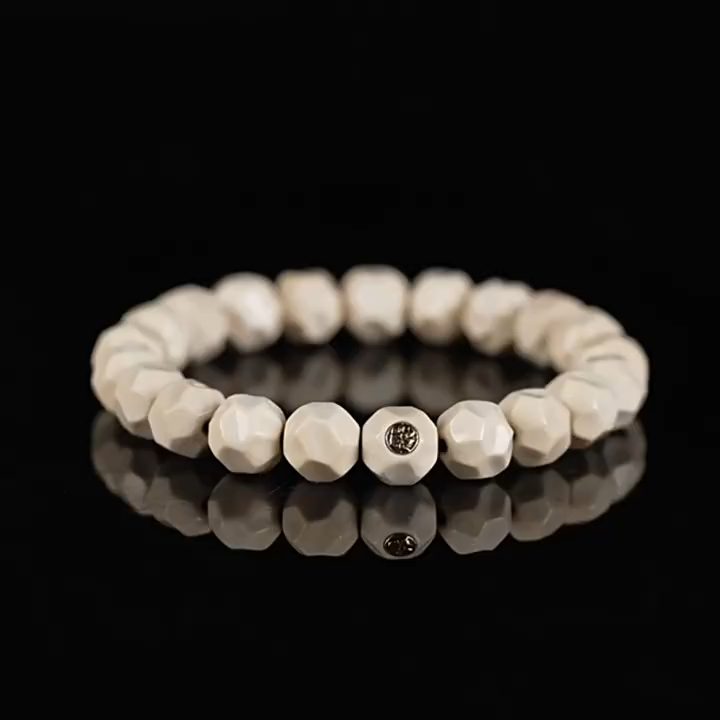
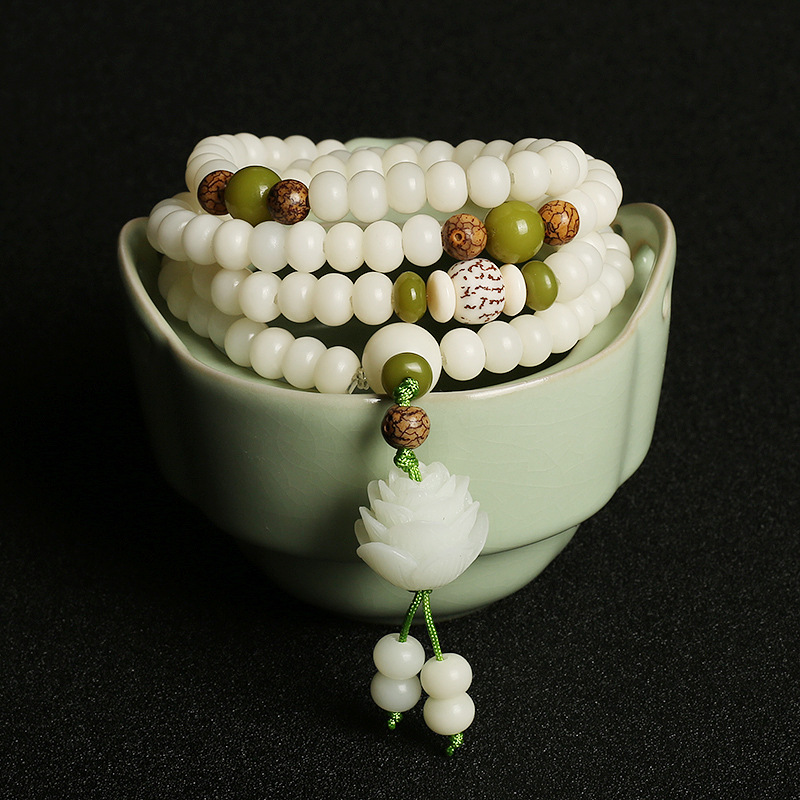
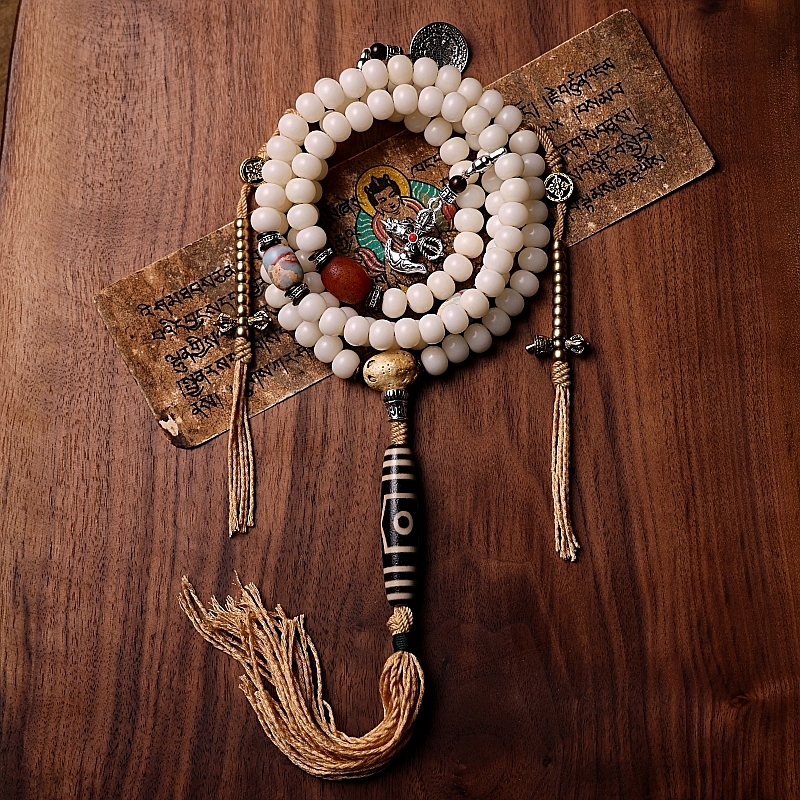
Tibetan Buddhist have expanded their influence by integrating traditional symbols (such as the Six-Syllable Mantra and Mandala) into modern designs, launching products that are both practical and spiritually significant, including mala bead bracelets, singing bowls, thangkas, and Buddha statues.