-.jpeg?w=936&h=936)
FAQ
For most wood and seed malas, gently wipe with a soft, dry cloth after use. If deeper cleaning is needed:
-
Use lukewarm water with a tiny drop of mild dish soap.
-
Submerge for no longer than 10–20 seconds.
-
Pat dry with a towel and hang or lay flat to dry completely.
-
Avoid soaking malas, especially those with porous materials like bodhi seeds or yak bone.
For gemstone malas, avoid harsh detergents or ultrasonic cleaners.
It's not recommended. Water, soap, chlorine, or salt can:
-
Weaken the stringing cord.
-
Cause discoloration or cracking in porous beads (like wood, bone, or seeds).
-
Dull the shine of gemstone or metal accents over time.
If accidentally wet, dry immediately and allow the mala to air out thoroughly before next use.
Yes, especially for wooden or seed malas (e.g., sandalwood, rosewood, bodhi, lotus seeds):
-
Apply a pea-sized amount of natural oil (e.g., mineral oil, jojoba, or neem oil) every 3–6 months.
-
Rub the oil into your palms and then massage the beads gently.
-
In dry climates, increase frequency to once every 1–2 months.
Oiling enhances color, prevents cracking, and improves smoothness over time.
-
Gemstones: Heavier, harder to break, but heavier on the cord.
-
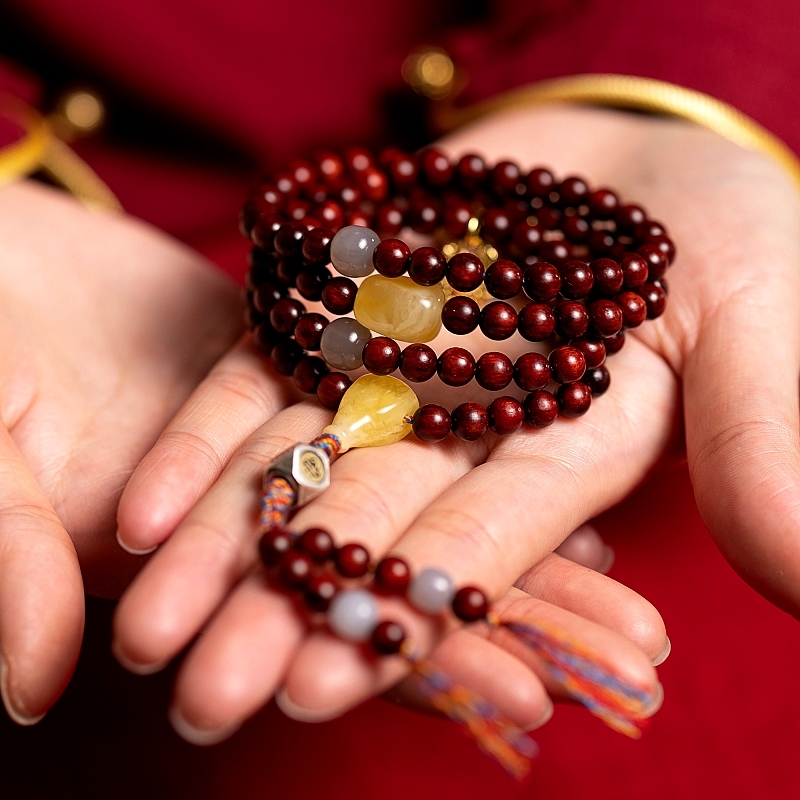
Wood/Bodhi seeds: Lightweight, warm to wear, may require oiling.
-
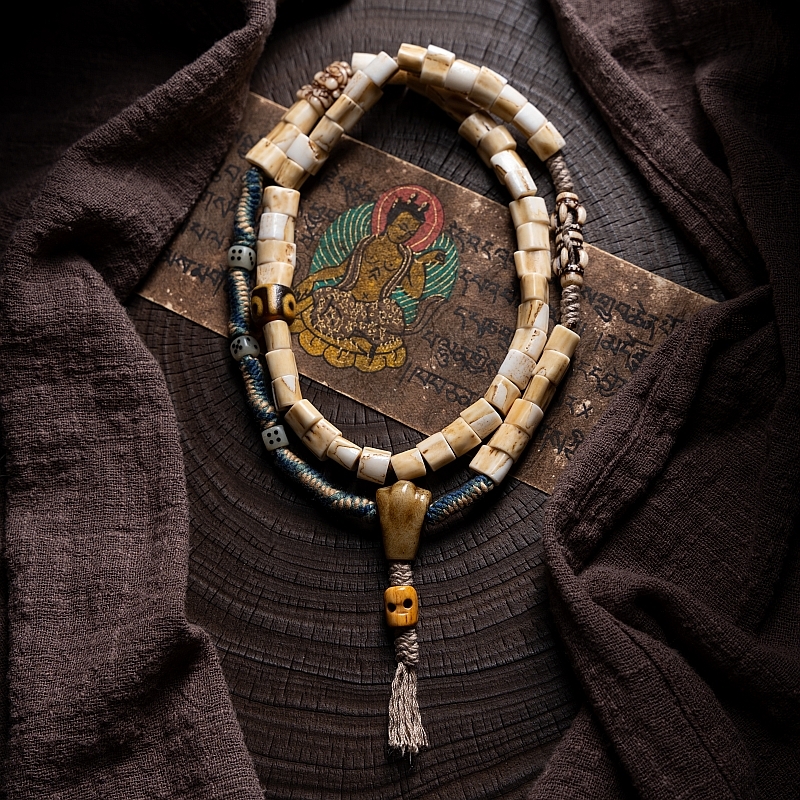
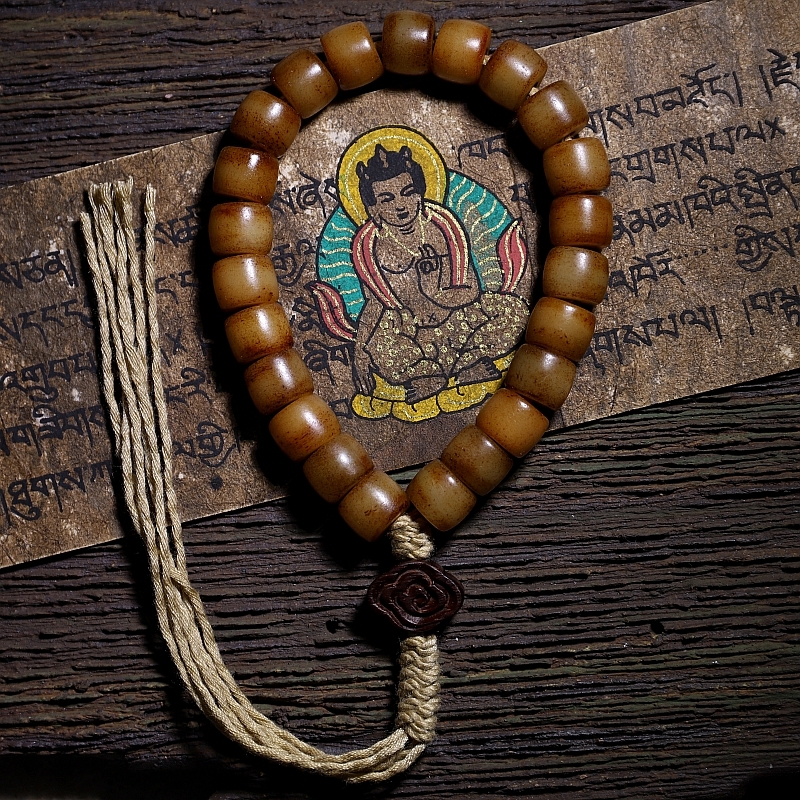
Yak bone/Camel bone: Symbolic, traditional, but porous and should be kept dry.
-
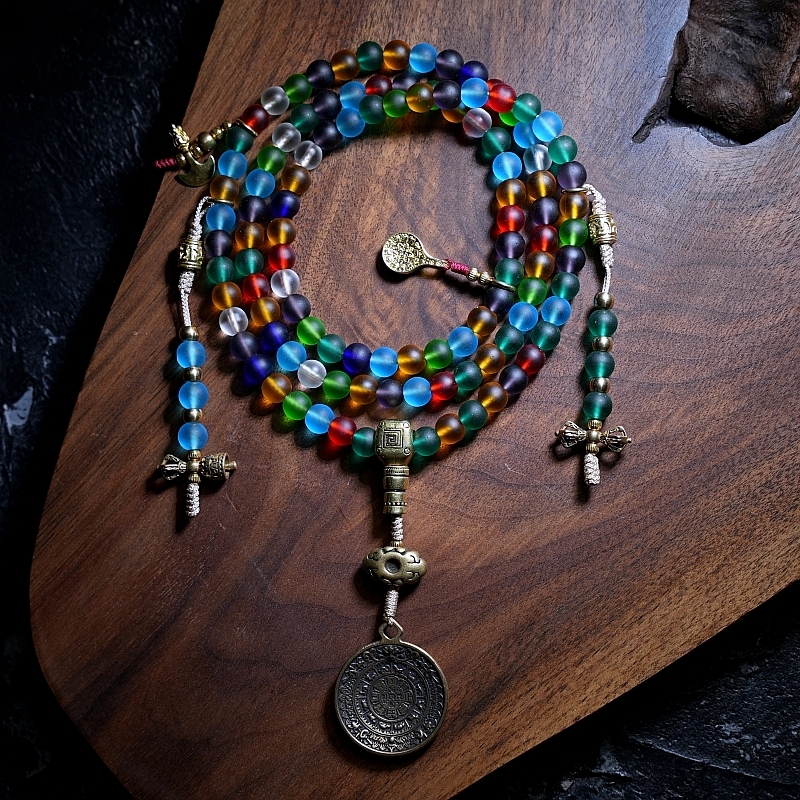
Glass & Resin: Durable, good for daily wear, but can chip if dropped.
If you wear malas daily or while active, choose larger beads with stronger cords like elastic or nylon, and avoid delicate silk threads.
A broken mala isn't bad luck—it’s a sign of growth in your journey.
-
In Tibetan tradition, restringing is seen as part of the practice.
-
Prefer to restring at home? We can guide you! It’s a mindful and empowering ritual.
-
Keep in a soft pouch or wooden box.
-
Avoid direct sunlight or heat sources.
-
Keep away from sharp jewelry or keys to avoid scratches.
-
For scented woods, store with herbs or essential oils to maintain aroma.
Yes, but with care:
-
Bracelet malas with elastic cords are great for daily wear.
-
Necklace malas are better for occasional wear unless made with durable materials.
-
Remove during strenuous activity, cooking, or washing.
Wearing your mala close to the body adds spiritual significance—but always prioritize its care.
Absolutely. Natural materials develop a patina from your skin’s oils, sunlight, and environment:
-
Wood will darken.
-
Bone or seeds become shinier and smoother.
-
This change marks your energy imprint—it’s part of the journey.
Yes. Here are a few gentle ways:
-
Moonlight bathing (especially full moon).
-
Incense smoke (sandalwood, palo santo, sage).
-
Chanting or mantras while holding the mala.
-
Placing on an altar or with crystals like selenite or clear quartz.
A Tibetan singing bowl is a type of standing bell traditionally used in meditation, sound healing, and spiritual ceremonies. Its resonant tones promote relaxation, mindfulness, and energy balancing.
To play the bowl, gently strike it with a padded mallet or rub the rim with a wooden striker in a circular motion. Experiment with different pressures and speeds to achieve various harmonic tones. Allow the sound to guide your meditation or relaxation practice.
-
Regular Care: Gently wipe your singing bowl with a soft, dry cloth after use to remove dust or oil residues.
-
Deep Cleaning: If necessary, use a slightly damp cloth with mild soap, then immediately dry with a soft towel. Avoid abrasive materials or harsh chemicals, which can damage the surface or tone.
-
Oiling (if applicable): For bowls with natural patina or metal accents, a light application of mineral oil (applied sparingly) may help preserve the finish.
-
It is best to avoid exposing your singing bowl to excessive moisture or prolonged contact with water. Additionally, vigorous exercise or accidental impacts might damage the bowl or affect its tone. For best results, use the bowl in a calm, controlled environment.
Minor scratches on the surface are normal over time and can even add character to your bowl. However, if you notice significant damage that affects the sound quality, consider contacting a specialist for repair or restringing (if applicable). Some artisans offer restoration services for antique or cherished bowls.
-
Store your singing bowl in a dry, dust-free environment away from direct sunlight and extreme temperatures. A padded cloth bag or a dedicated wooden box is ideal for protecting the bowl from accidental knocks and scratches.
Metal singing bowls (typically made of various alloys) are known for their rich, resonant, and multi-tonal sound. Crystal singing bowls tend to produce a purer, sustained tone and are often used for sound therapy. Each type has its own unique vibrational qualities and aesthetic appeal, so choose based on your personal preference and intended use.
Using a singing bowl can enhance meditation, reduce stress, and promote relaxation. The harmonic sounds may help balance your energy, improve focus, and create a calming atmosphere. Many users also find that the act of playing the bowl is a meditative ritual in itself.
- Special Days: Hanging flags on auspicious dates like the 8th, 10th, or 13th of the Tibetan lunar month amplifies blessings due to cosmic energy alignment
- Daily Use: Contrary to myths, you can hang flags on any day. While non-auspicious days yield less merit, they do not bring misfortune
- Practical Tip: Prioritize environmental sustainability. Avoid restricted mountain areas marked for ecological protection
Prayer flags follow strict color symbolism and sequence:
- Blue (top): Represents sky and space, linked to the Buddha Akṣobhya
- White: Symbolizes clouds, purity, and the Buddha Vairocana
- Red: Embodies fire, vitality, and the Buddha Amitābha
- Green: Signifies water, harmony, and the Buddha Amoghasiddhi
- Yellow (bottom): Represents earth and stability, tied to the Buddha Ratnasaṃbhava
- Key Rule: Colors must follow this order. Misplacement disrupts the cosmic balance
-
- Location: Choose elevated, open spaces (mountaintops, riverbanks, home altars) where wind can disperse blessings. Avoid paths where flags may be trampled.
- Blessing: While flags inherently carry sacred mantras, live-streamed consecration by a lama enhances their potency.
- Installation:
- Use natural materials (wooden poles, ropes) to minimize environmental impact.
- For homes, hang flags above doorways or rooftops, facing outward.
-
Yes, but follow these guidelines:
- Respectful Distance: Avoid standing directly in front of flags or using them as props.
- Posture: Maintain reverence; avoid playful poses.
- Ethical Care: Burn damaged flags respectfully and replace them.
- For the Living: Harmonizes energy, mitigates obstacles (health, career).
- For the Deceased: Liberates souls from suffering, preventing reincarnation in lower realms.
- Universal Merit: Wind-carried mantras bless all beings, including animals and insects.
- Timing: Renew annually during Tibetan New Year or other auspicious days.
- Ritual: Remove old flags with gratitude, burn them cleanly, and recite mantras (e.g., Om Mani Padme Hum) during replacement.
- Natural Symbolism: Weathering reflects impermanence (anicca). Faded flags retain blessings until fully disintegrated.
- Action: Replace only when text becomes illegible. Repair minor tears with natural-dyed thread.
- Myth: "Flags shouldn’t hang on windy days."
Truth: Wind amplifies mantra dissemination—stronger winds increase merit. - Myth: "Only monks can hang flags."
Truth: Laypeople may install flags with proper guidance and intention.
Common inclusions:
- Om Mani Padme Hum: Avalokiteśvara’s compassion mantra.
- The Wind Horse (Lungta): Symbolizes fortune and vitality.
- Protective Symbols: Tigers (courage), dragons (wisdom), garudas (power).
- A Thangka is a traditional Tibetan Buddhist scroll painting, renowned for its intricate details, vibrant mineral pigments, and religious symbolism. It serves as a visual aid for meditation and devotion, depicting deities, mandalas, and spiritual narratives. Thangkas are created following strict iconometric rules (The Measurement Sutra) to ensure divine proportions. Once consecrated, they are considered sacred objects embodying the presence of the deity.
-
The creation process involves several meticulous steps:
- Canvas Preparation: Cotton, silk, or linen is stretched on a wooden frame, coated with animal glue and chalk, then polished to a smooth finish.
- Sketching: Outlines are drawn using charcoal or ink, adhering to precise Buddhist iconography.
- Coloring: Natural pigments (e.g., lapis lazuli for blue, malachite for green, gold leaf for divine elements) are layered from light to dark.
- Gold Detailing: Gold leaf is applied and polished with agate to create luminous accents.
- Consecration: A lama performs an eye-opening ritual (rabné) to infuse the Thangka with spiritual energy.
-
- Environment: Avoid humidity, direct sunlight, and smoke. Ideal conditions are 18–22°C and 50–60% humidity.
- Cleaning: Use a soft brush for dust; never apply water or chemicals.
- Storage: Roll or fold carefully (bottom to top) using clean cloth. For framed Thangkas, use UV-protective glass.
- Renewal: Air-dry briefly in indirect sunlight 1–2 times yearly to prevent mold.
-
- Sacred Spaces: Display in respectful areas (altars, meditation rooms)—never in bedrooms, kitchens, or bathrooms.
- Handling: Avoid touching painted surfaces; use gloves or cloth. Do not step over or place objects on Thangkas.
- Consecrated Thangkas: Treat as living deities; avoid wearing them during impure activities (e.g., cooking).
- Materials: Natural pigments and gold leaf increase worth.
- Craftsmanship: Fine brushwork (e.g., hair-thin lines) and adherence to traditional styles (e.g., Menzü, Karma Gadri).
- Artist: Works by renowned lamas or master painters command higher prices.
- Size and Complexity: Larger Thangkas or those with intricate mandalas take months to years to complete.
-
Yes, but respect its sacred nature:
- Non-Consecrated: Decorative Thangkas can be displayed freely as art.
- Consecrated: Maintain reverence—avoid placing on the floor or near impurities.
- Universal Intent: Focus on promoting peace and compassion, regardless of faith.