Free worldwide shipping on orders over $89

Cart

Your cart is currently empty.

Continue shopping
You May Also Like

History of Langkarje Thangka

The Divine Brushstrokes of Tibet's "Sky Embellisher"​​
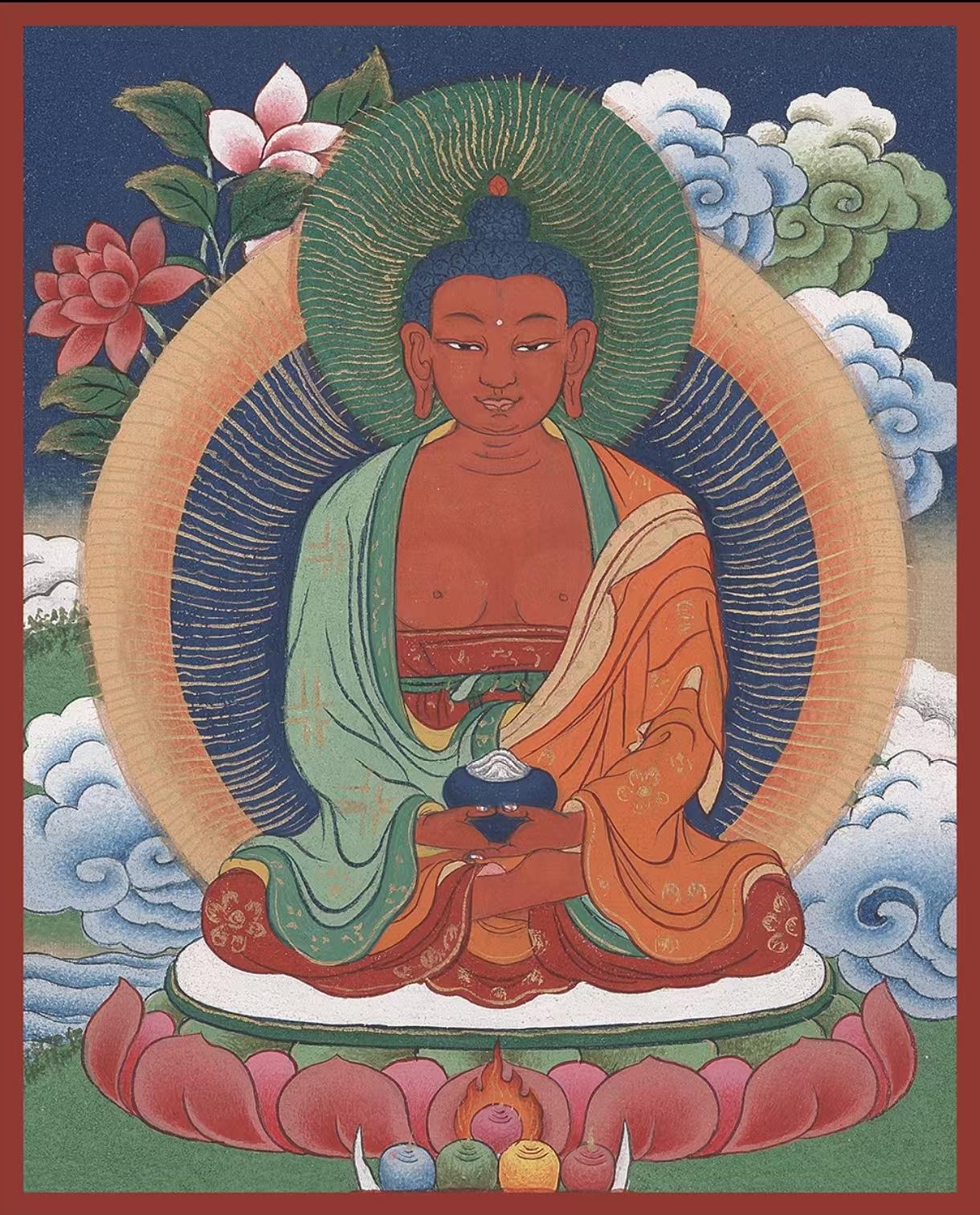
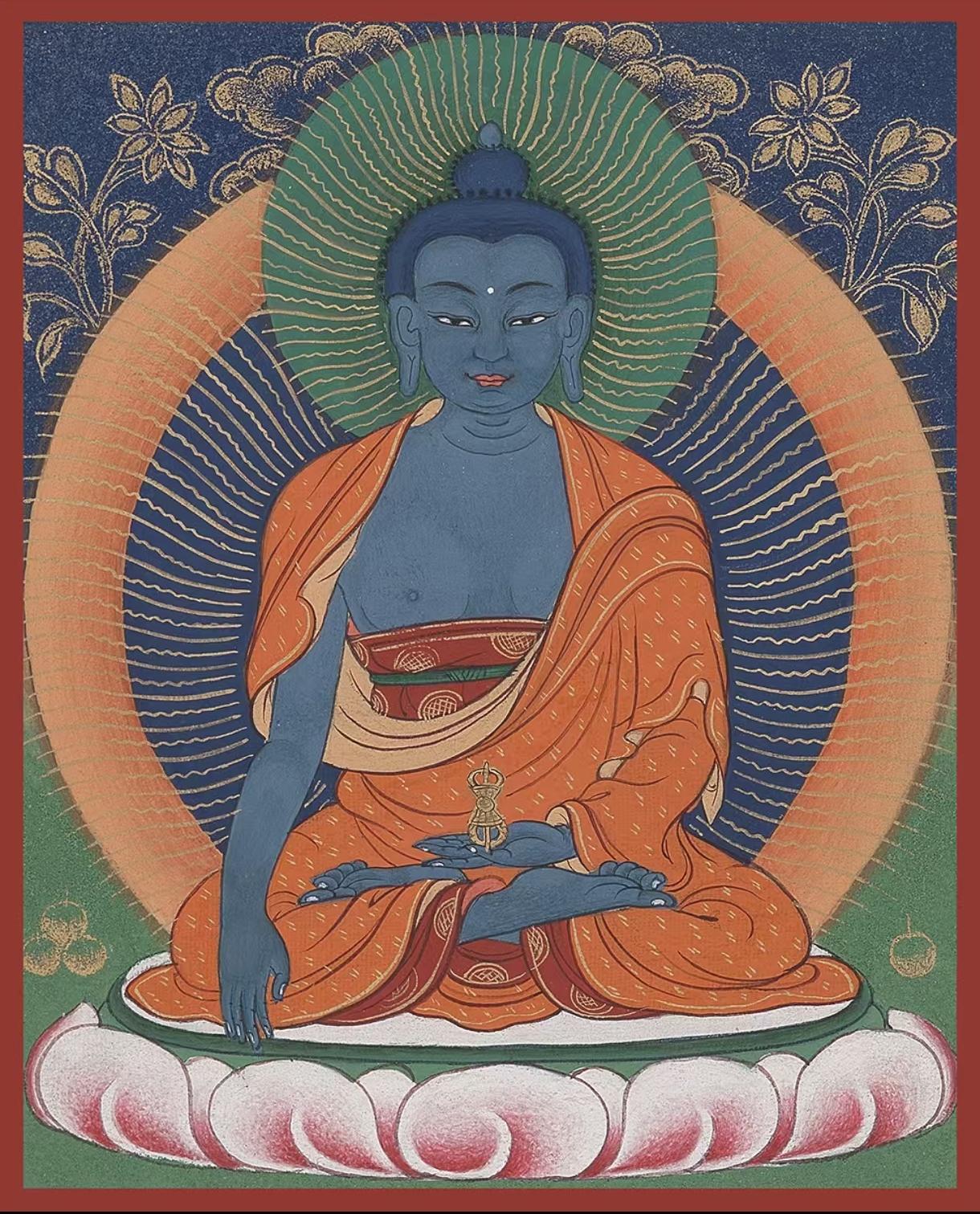
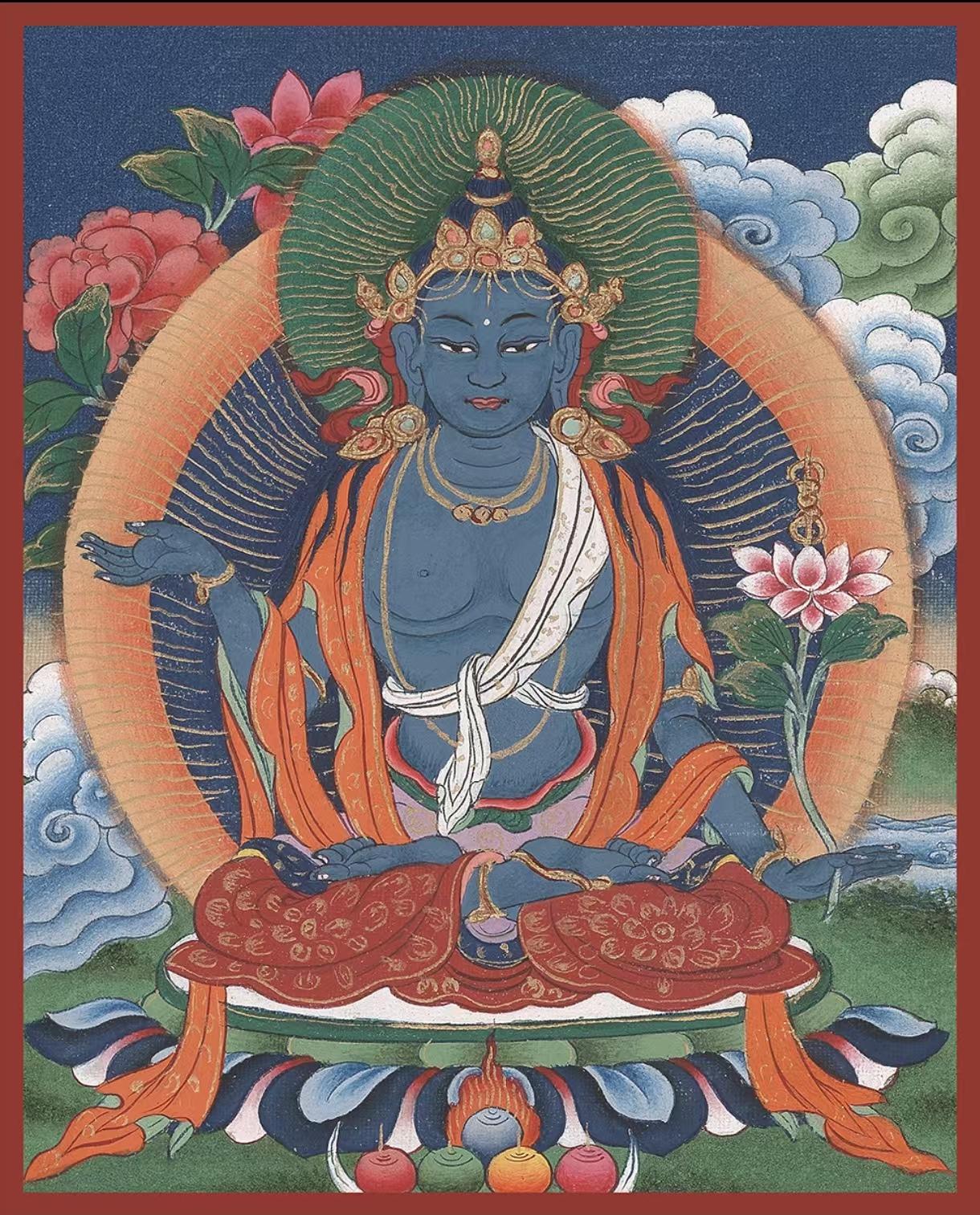
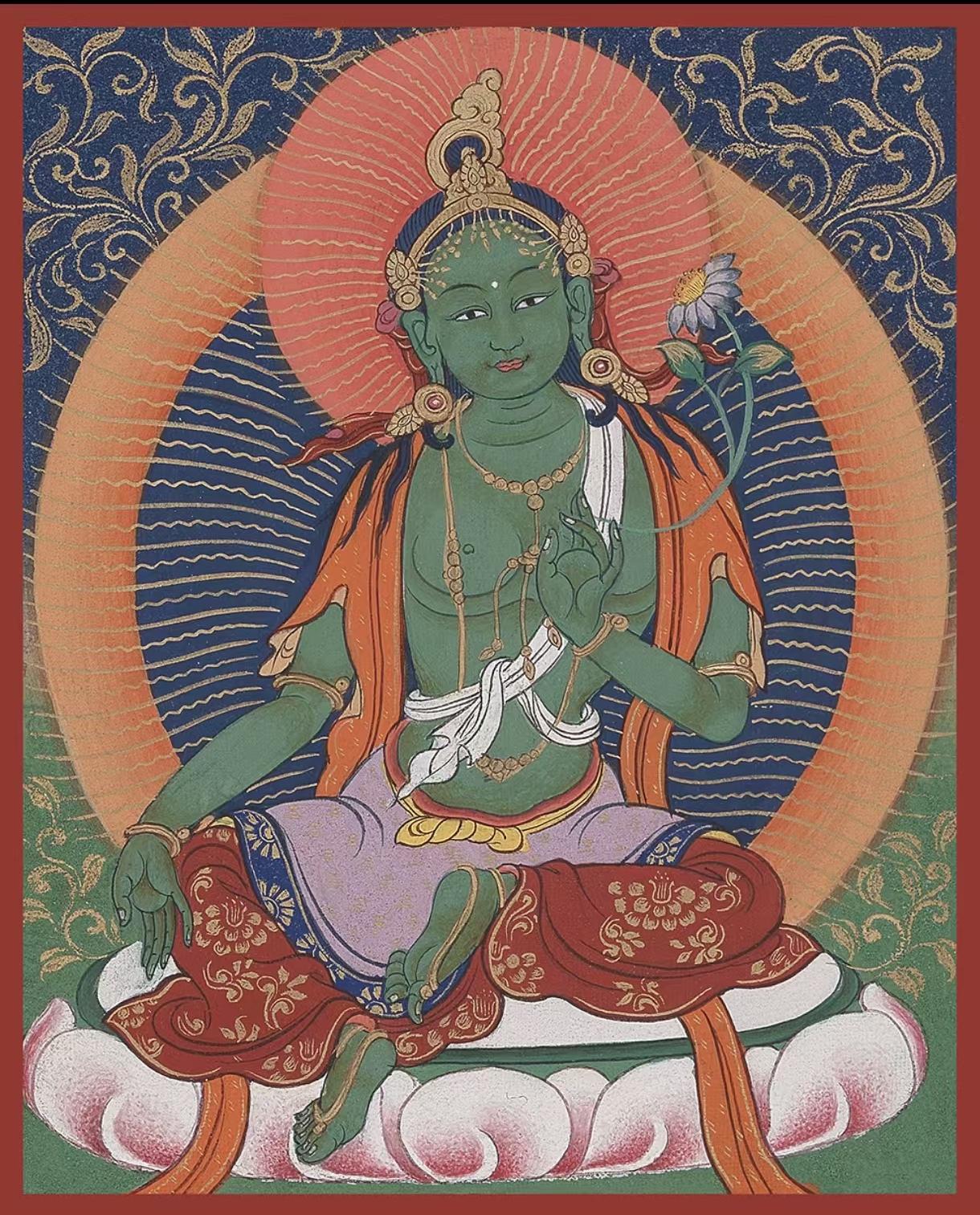
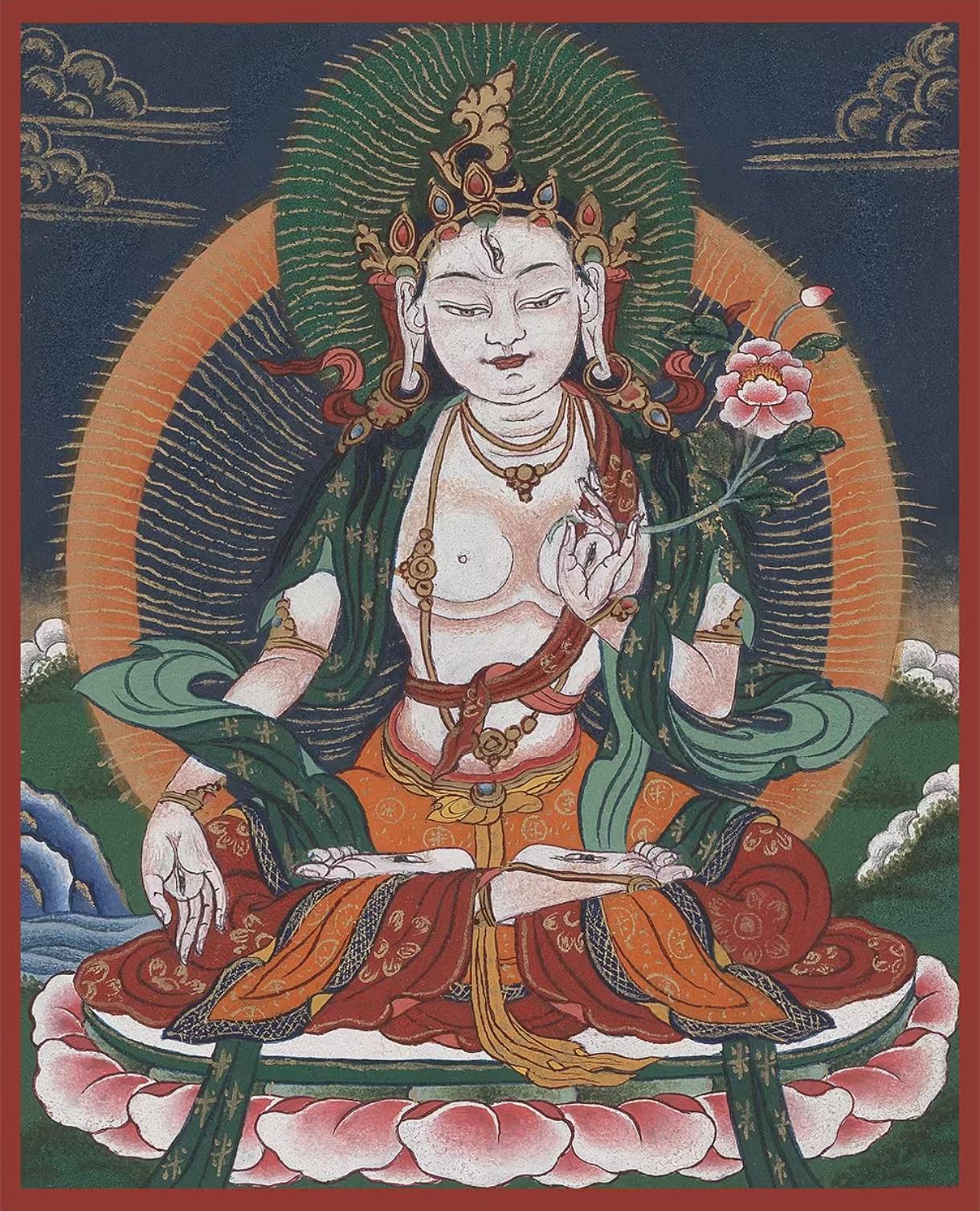
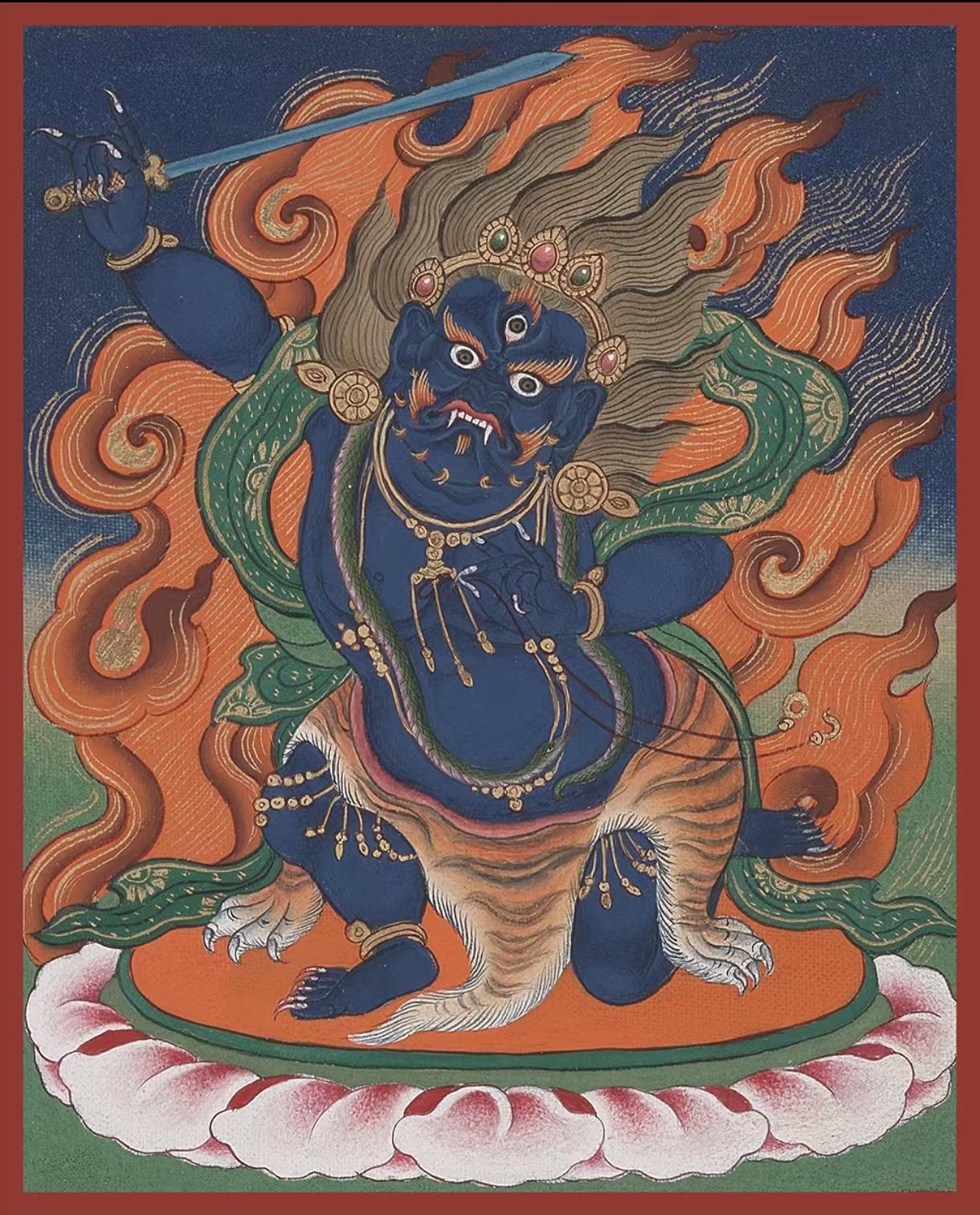
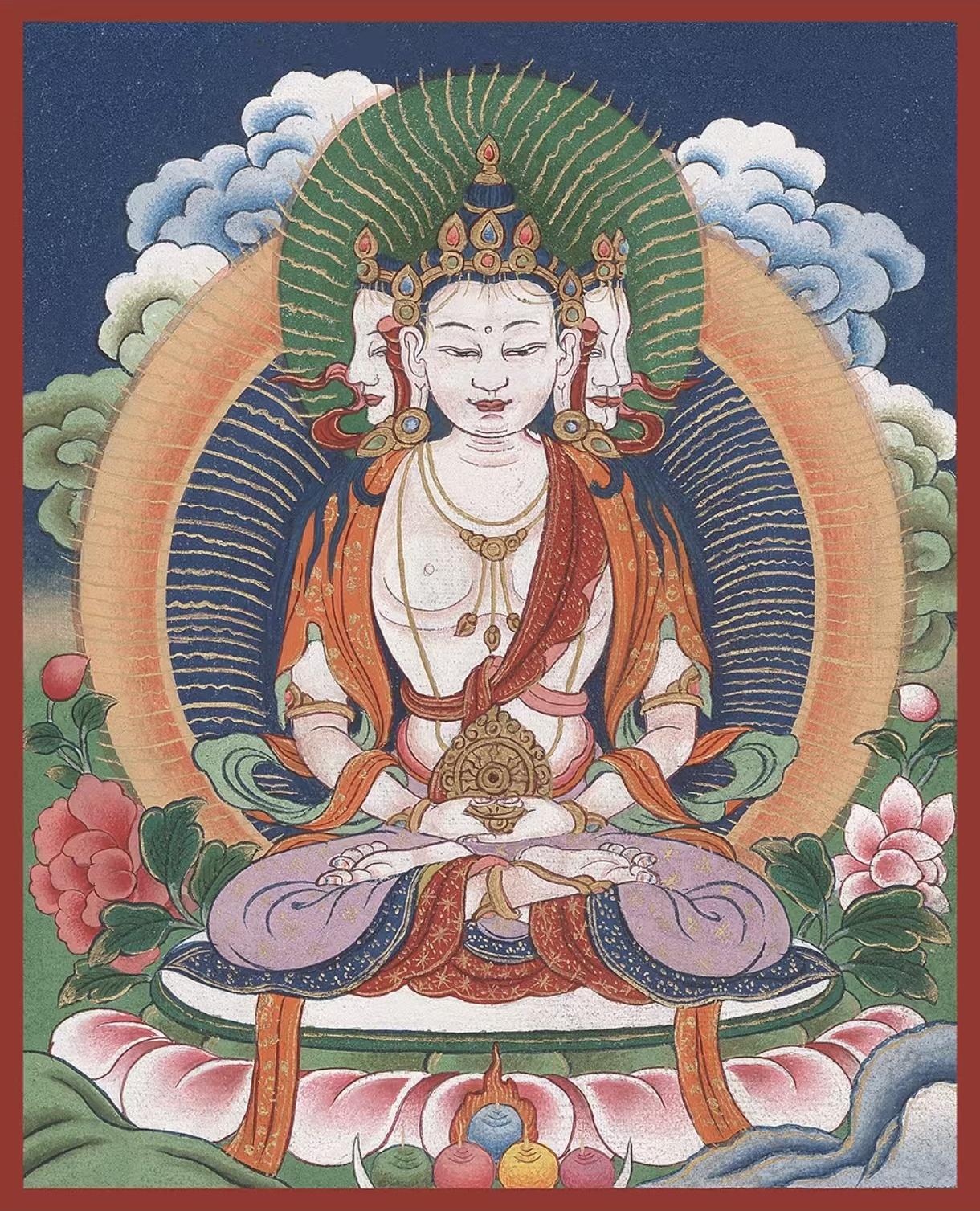
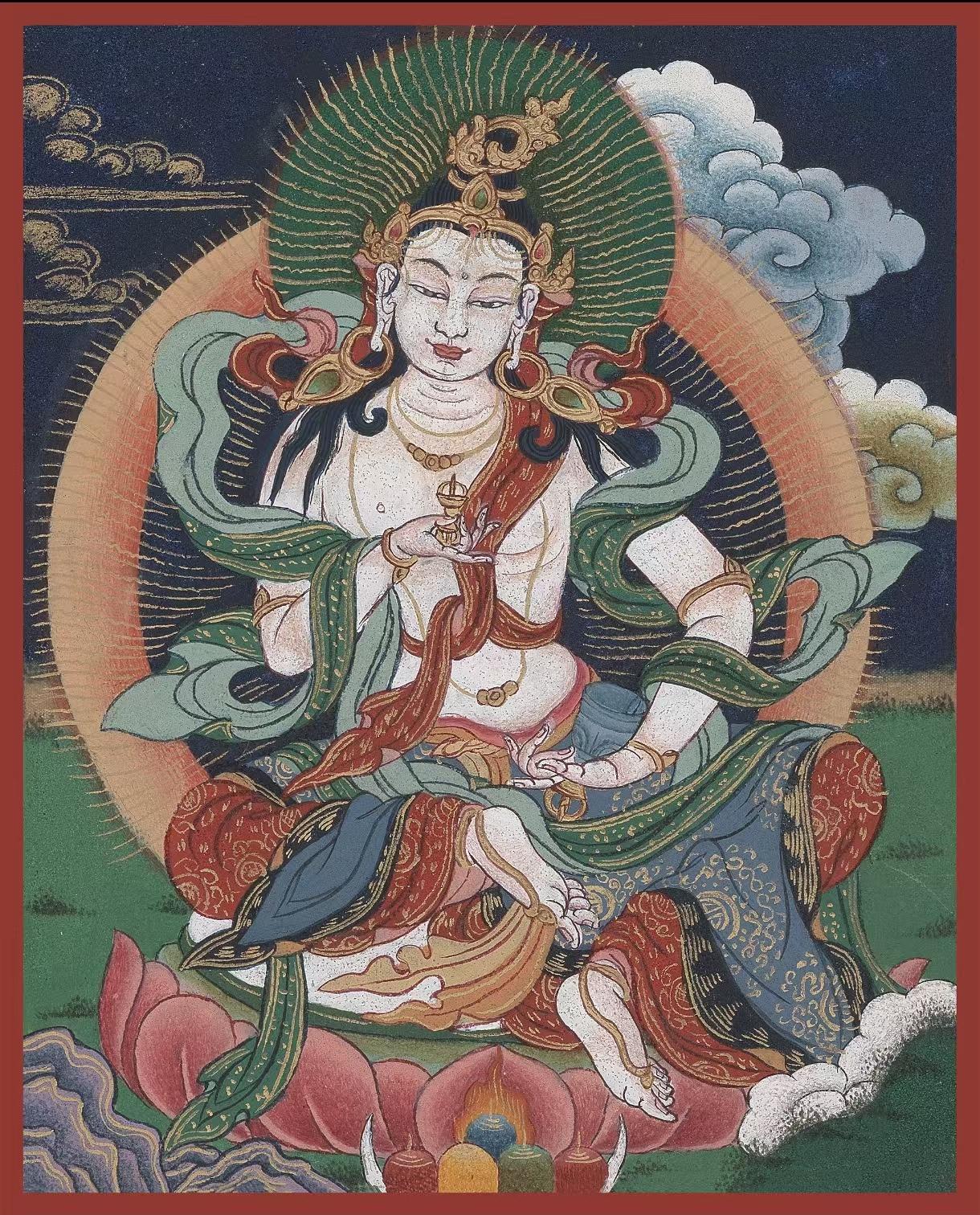
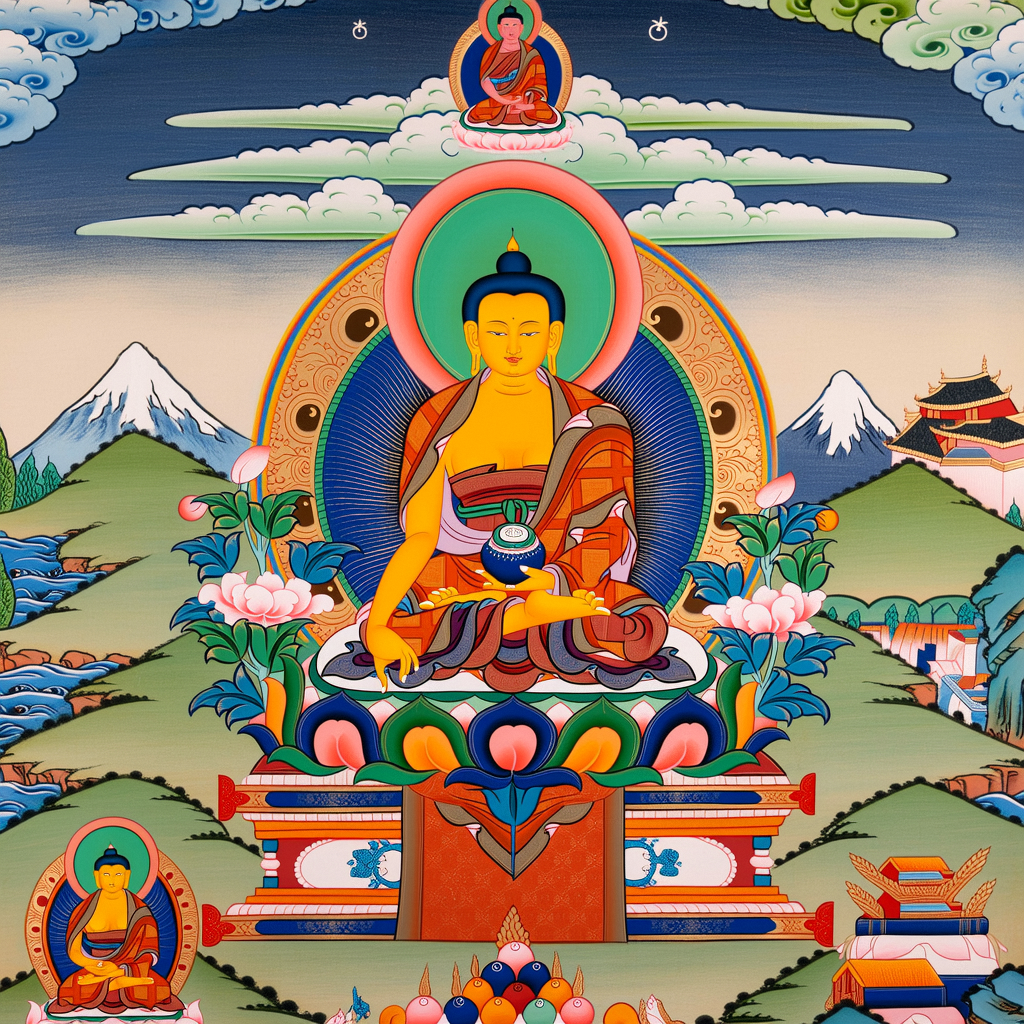
Originating from Luhuo County in Sichuan’s Garzê Tibetan Prefecture, the Langkarje Thangka school carries a 400-year legacy of sacred art. Founded by the visionary 17th-century master Langkarje (c. 1610–1690), the tradition is said to be divinely inspired by Padmasambhava. According to legend, Langkarje could paint Buddha images on half a pea—visible only under magnification—earning him the title “Divine Miracle Painter.”
​​Artistic Breakthroughs​​
Atomic Detailing
Brushstrokes as fine as 0.2mm render deity eyelashes using Afghan lapis lazuli and Tibetan vermilion—pigments that resist fading for centuries. In The Vine of Wishes, mountain hermits with visible sweat beads are packed into just 4cm², fusing Buddhist lore with Han ink-wash style.

Luminous Alchemy
Gold leaf burnished with yak bile produces an otherworldly glow—a technique inscribed as China’s Intangible Cultural Heritage in 2021.
​​Cultural Diplomacy​​
Designated a China Intangible Cultural Heritage in 2021, Langkarje art now bridges the spiritual and the secular.

In partnership with Sichuan Minzu College, it pioneers nanoparticle-enhanced pigments with 300% greater durability.
By 2025, 1,000 thangkas will be donated to global universities, each with trilingual certificates of authenticity.

Padmasambhava's Arrival & Esoteric Art Genesis​

In the 8th century, Padmasambhava’s arrival in Tibet fused Indian Vajrayana with native Bon traditions. Under King Trisong Detsen’s patronage, he founded Samye Monastery—Tibet’s first Buddhist temple—where early thangkas emerged. 

These works combined Indian deities with local symbols, using standardized mineral pigments like lapis lazuli and vermilion. Mandalas became codified as cosmic diagrams of tantric teachings.

Sakya-Mongol Alliance & Thangka Canonization​​

In the 1270s, under the Sakya-Mongol alliance, thangka became a diplomatic and doctrinal tool. 

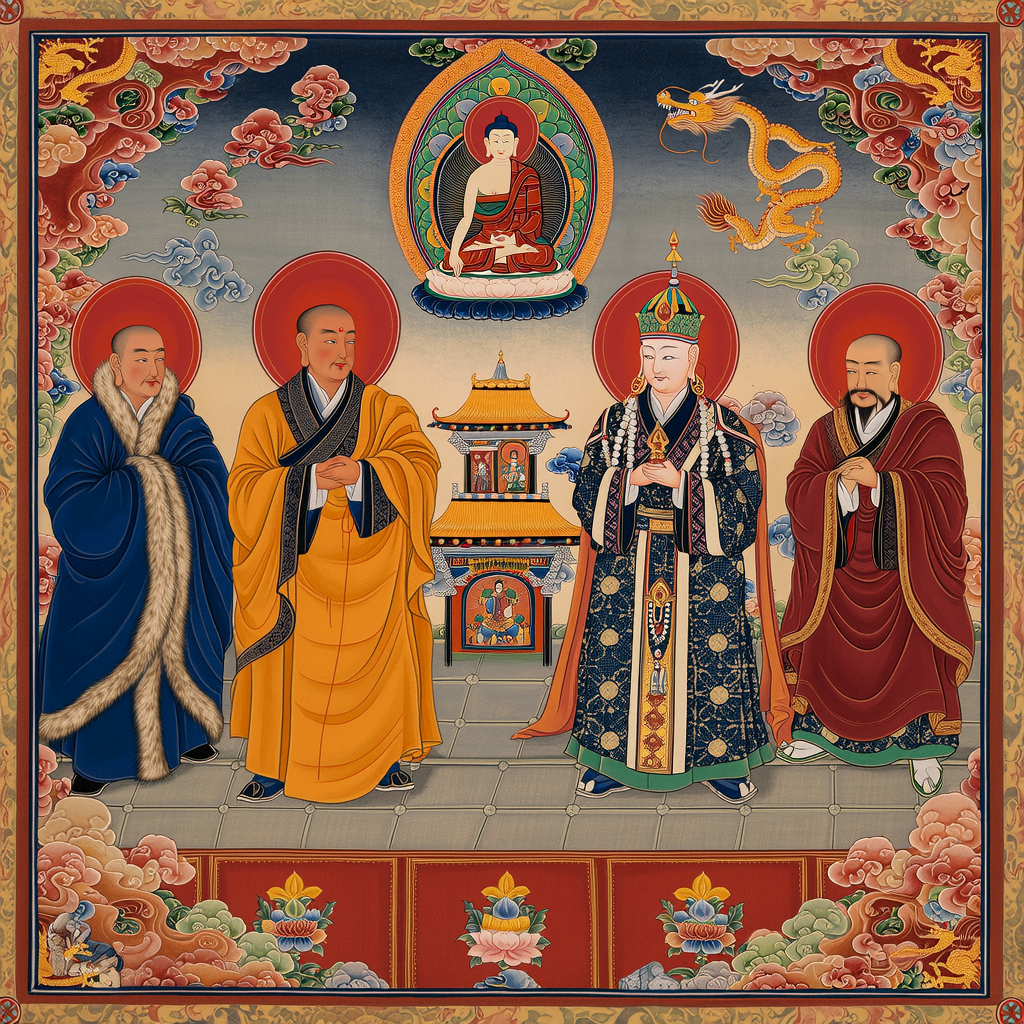
Sakya Pandita and Phagpa standardized iconometry, blending Indian Pala styles with Chinese brocade and motifs like dragons and cloudscapes—legitimizing Mongol rule as universal kingship and fostering Silk Road cultural exchange.

Mineral Pigment Renaissance & Artistic Mastery​​

In the 8th century, Padmasambhava’s arrival fused Indian Vajrayana with Tibetan Bon, sparking the birth of esoteric art. 

At Samye Monastery—Tibet’s first temple—early thangkas emerged, uniting wrathful deities with local motifs. 

Sacred pigments like vermilion and lapis were standardized, and mandalas codified as cosmic maps of tantric wisdom.

Core Materials & Techniques of Thangka Painting
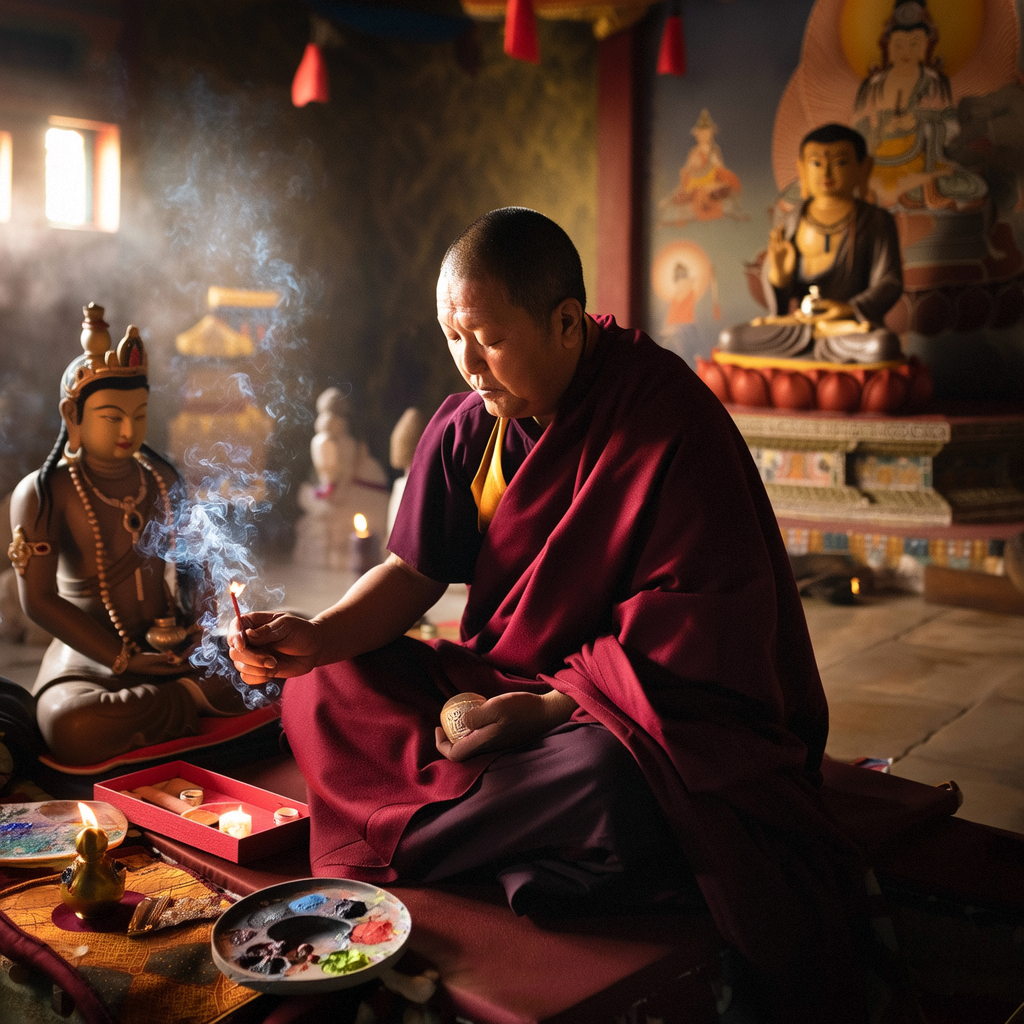
​​Ⅰ. Sacred Commencement: Spiritual Rituals​
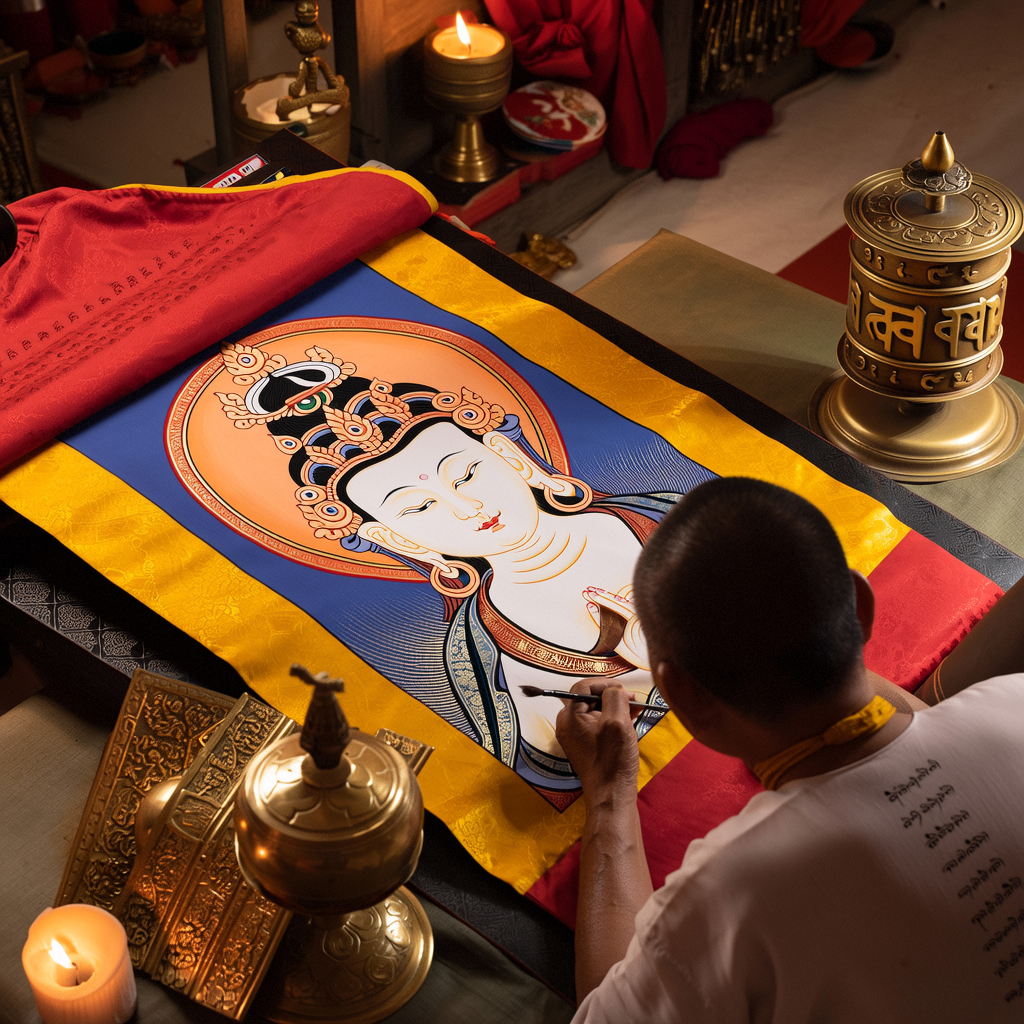
Before painting, thangka artists undergo strict spiritual rites—divination by lamas, ritual purification, and mantra chanting—to ensure sacred legitimacy. 

Some enter seven-day meditative retreats to channel divine energy into each brushstroke.
​​2. Canvas Crafting​​
Material​​: High-density cotton (≥200 threads/inch) or degummed silk for elite works.

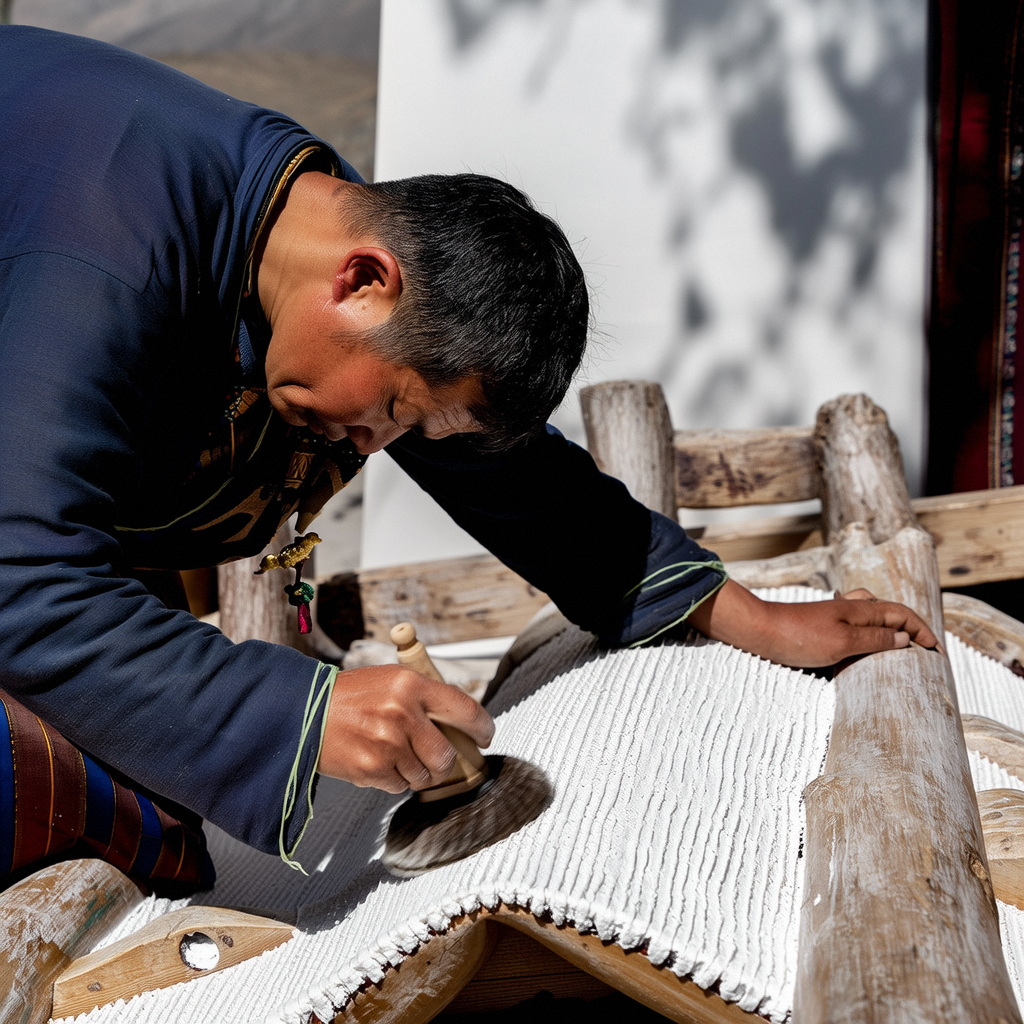
​​Stretching​​: Birchwood frames in zigzag patterns ensure tension balance (error ≤0.5mm), producing drum-like resonance.

​​Priming​​: A mix of ​​yak bone glue​​, ​​Rinpung clay​​, and ​​Tibetan salt​​ is applied and polished with shells to achieve ​​nano-smooth surfaces​​ (Ra ≤0.8μm).
3. Pigment Alchemy​​
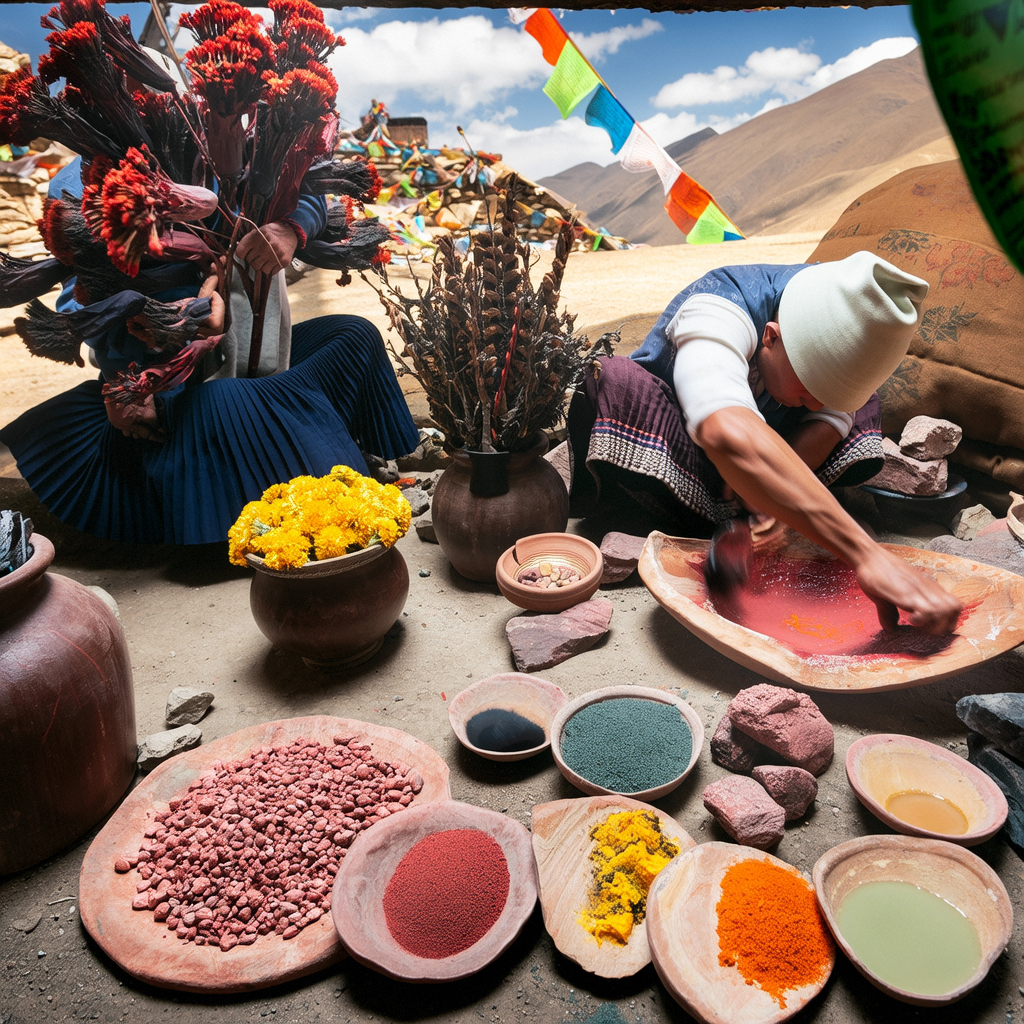
Mineral Pigments​​: Cinnabar (red), lapis lazuli (blue), malachite (green), processed through ​​9-step grinding​​ and acid-washing.

​​Plant Dyes​​: Saffron (yellow), Himalayan Xuankang grass (purple), carbonized rhubarb (black).

​​Cold Gold​​: Raw gold purified via yak dung calcination, ground with yak bile to 0.1μm particles for iridescent effects.
​​4. Divine Detailing​​
Sacred Geometry​​: Figures follow ​​《 Statue Measurement Sutra》​​ proportions (e.g., Buddha’s head = 1/4 body height).

​​Gold & Gem Inlay​​: Turquoise/coral are low-temperature fired for saturation, mixed with dzi bead powder for spiritual resonance.

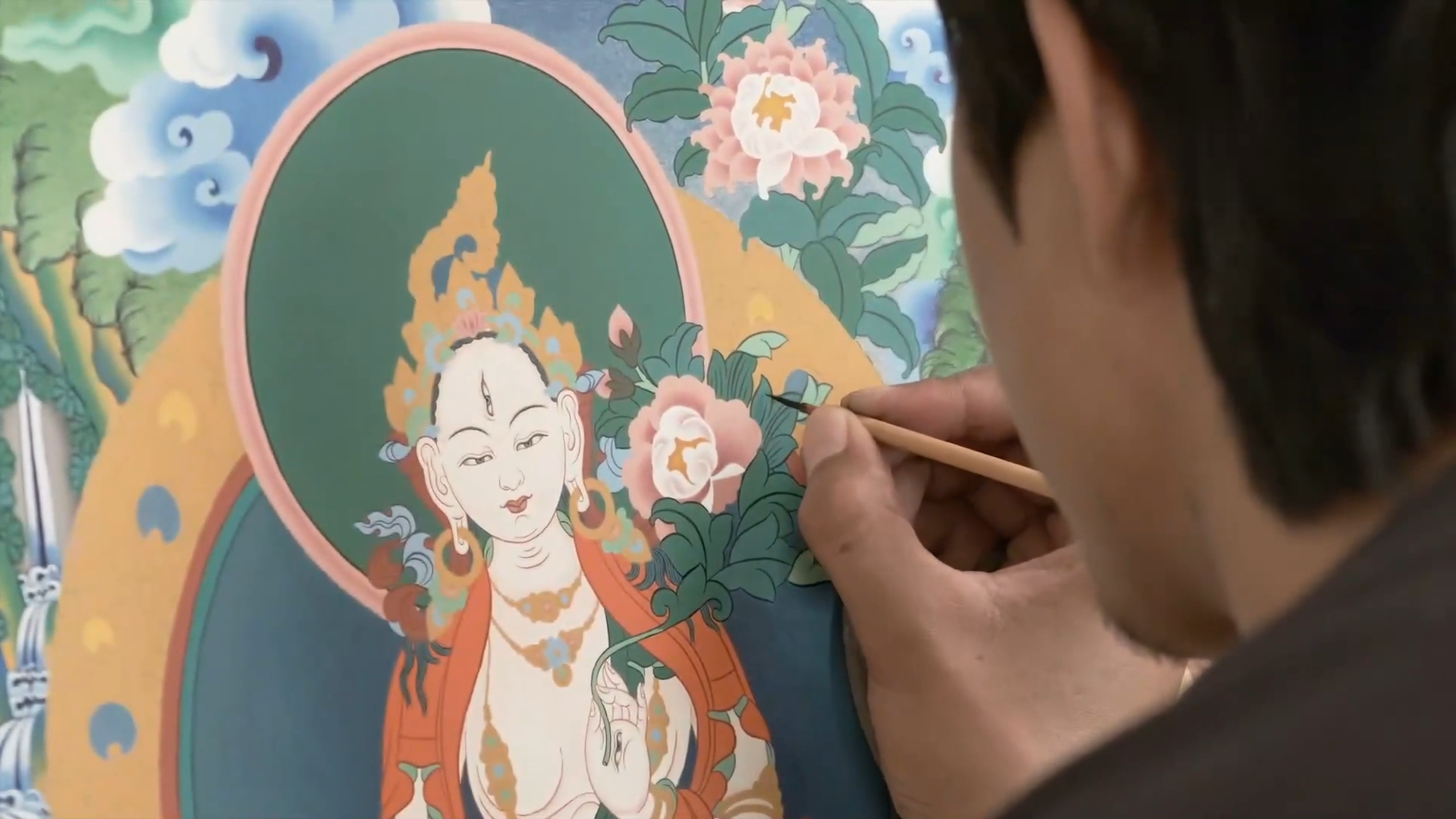
​​Eye-Opening​​: Final step where deities gain "life" through precise brushstrokes, often accompanied by lama blessings.

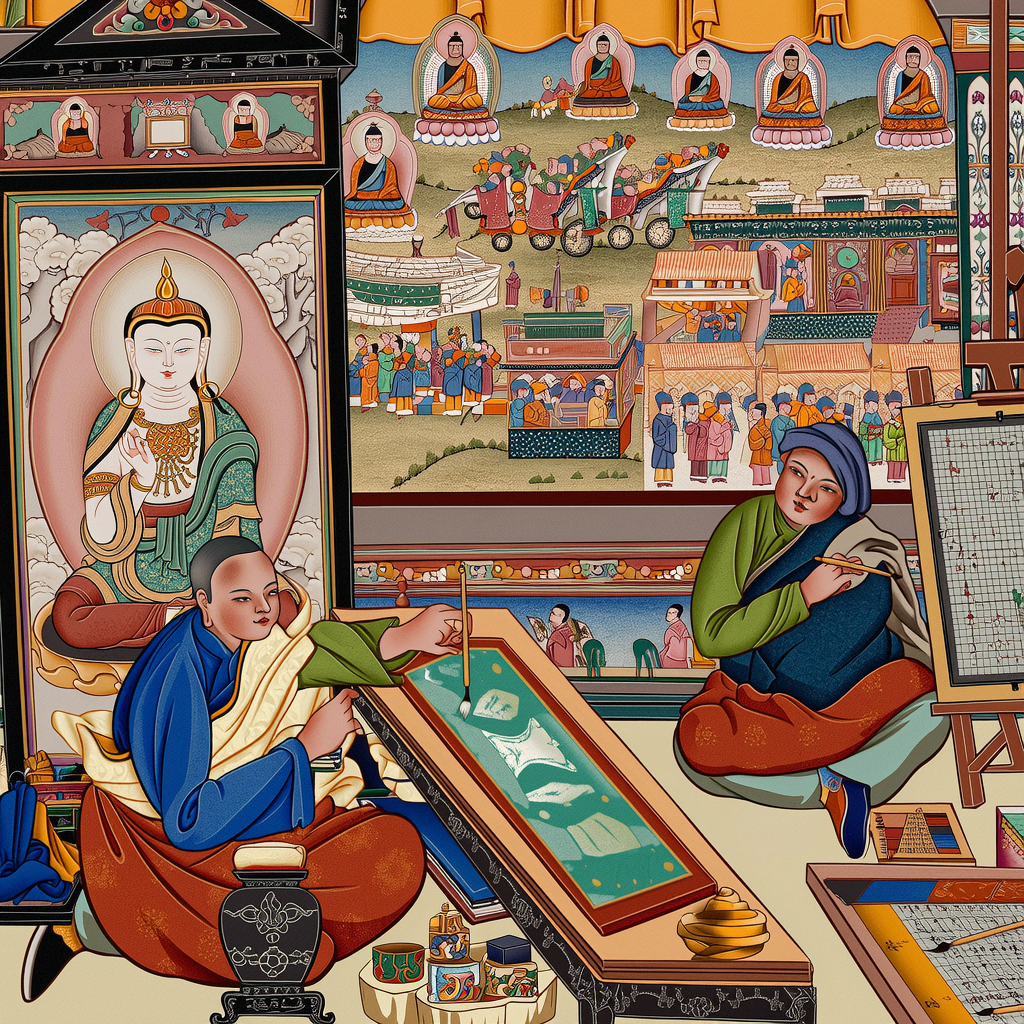
Thangka painting process