-.jpeg?w=936&h=936)

You may also like
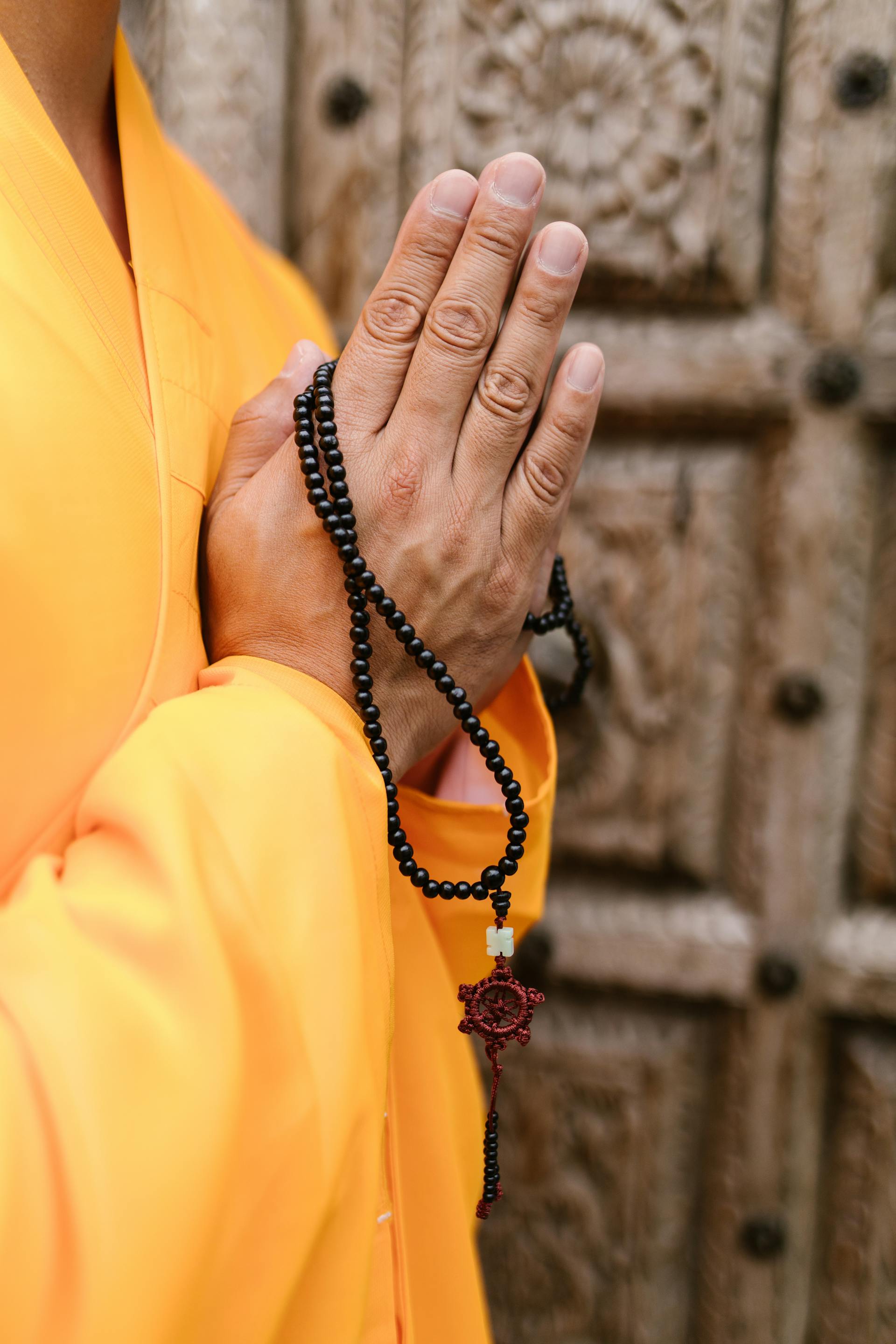
For most wood and seed malas, gently wipe with a soft, dry cloth after use. If deeper cleaning is needed:
-
Use lukewarm water with a tiny drop of mild dish soap.
-
Submerge for no longer than 10–20 seconds.
-
Pat dry with a towel and hang or lay flat to dry completely.
-
Avoid soaking malas, especially those with porous materials like bodhi seeds or yak bone.
For gemstone malas, avoid harsh detergents or ultrasonic cleaners.
It's not recommended. Water, soap, chlorine, or salt can:
-
Weaken the stringing cord.
-
Cause discoloration or cracking in porous beads (like wood, bone, or seeds).
-
Dull the shine of gemstone or metal accents over time.
If accidentally wet, dry immediately and allow the mala to air out thoroughly before next use.
Yes, especially for wooden or seed malas (e.g., sandalwood, rosewood, bodhi, lotus seeds):
-
Apply a pea-sized amount of natural oil (e.g., mineral oil, jojoba, or neem oil) every 3–6 months.
-
Rub the oil into your palms and then massage the beads gently.
-
In dry climates, increase frequency to once every 1–2 months.
Oiling enhances color, prevents cracking, and improves smoothness over time.
-
Gemstones: Heavier, harder to break, but heavier on the cord.
-
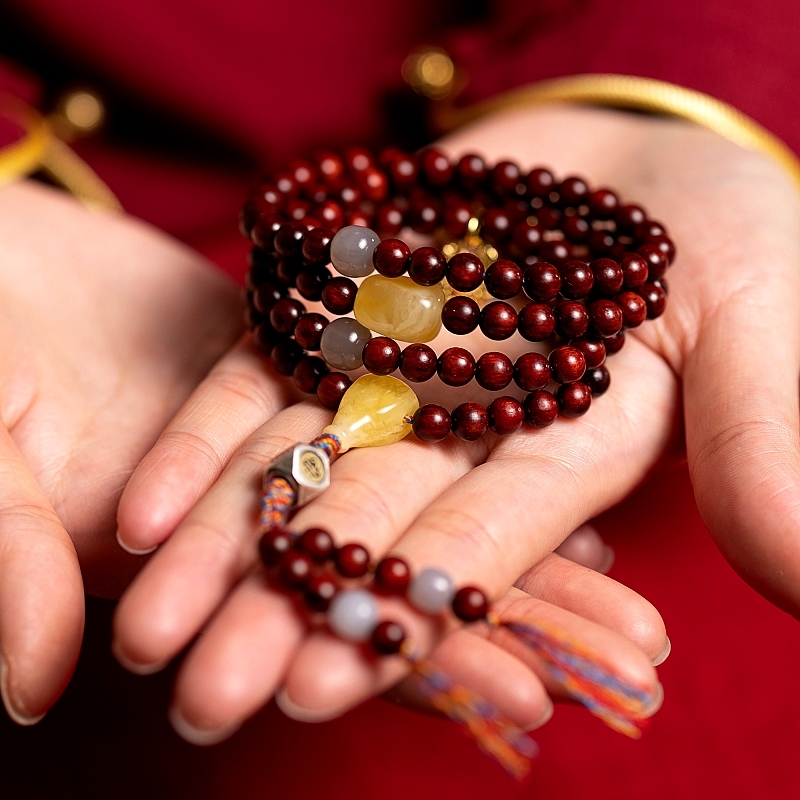
Wood/Bodhi seeds: Lightweight, warm to wear, may require oiling.
-
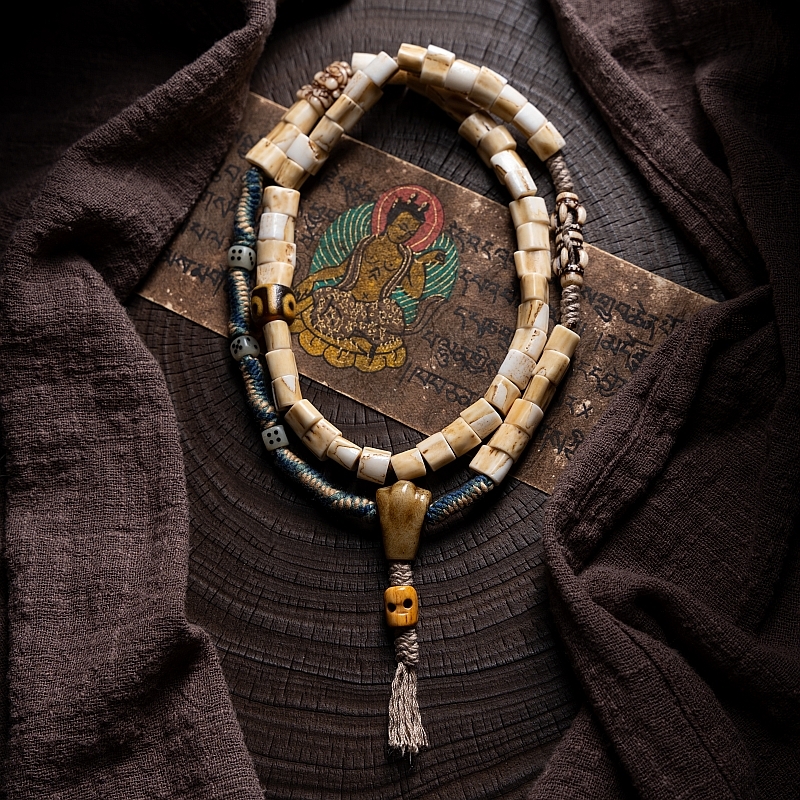
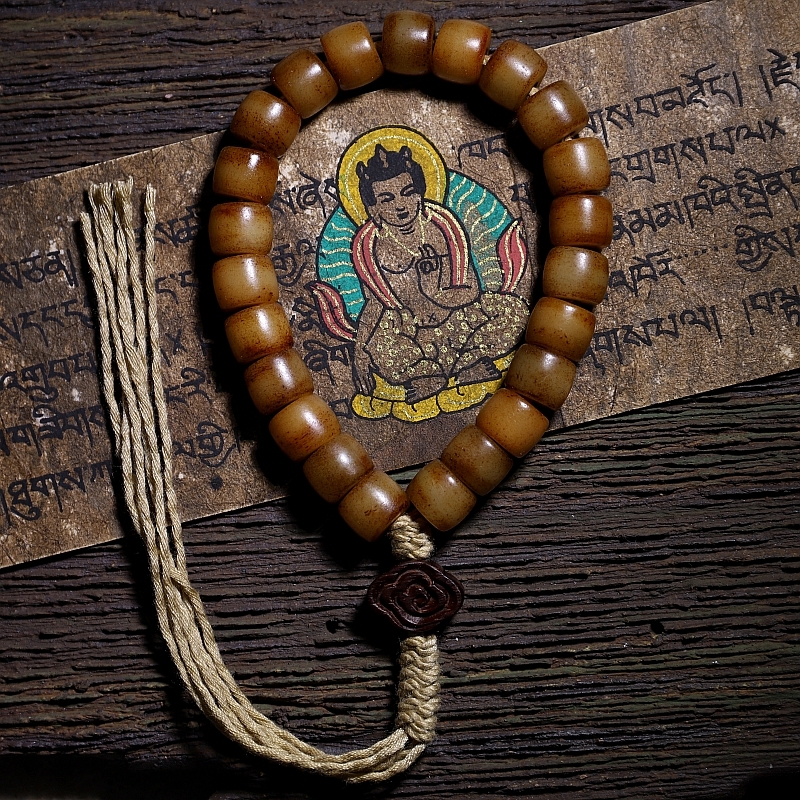
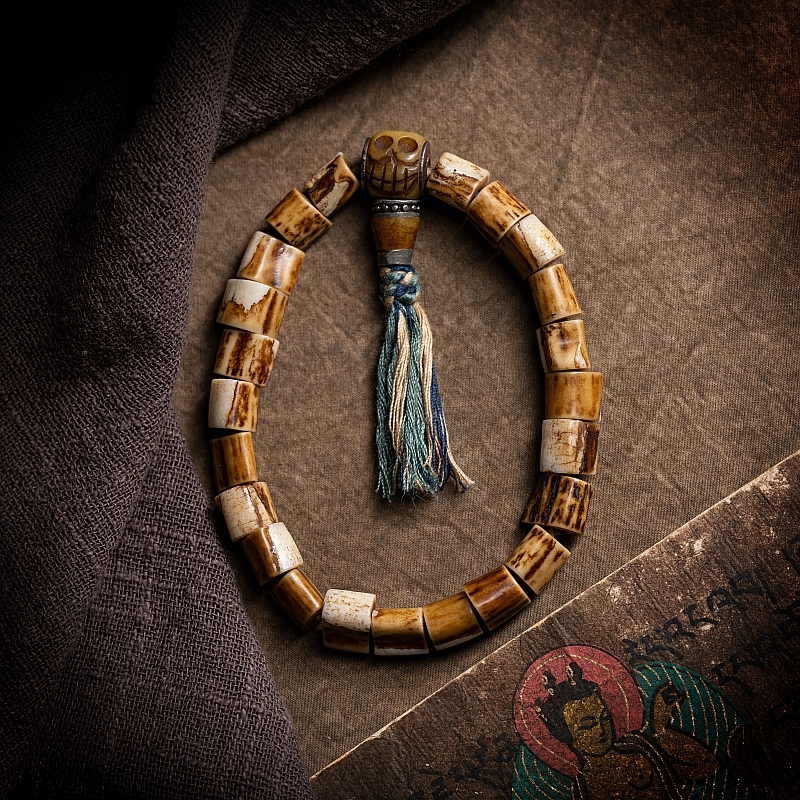
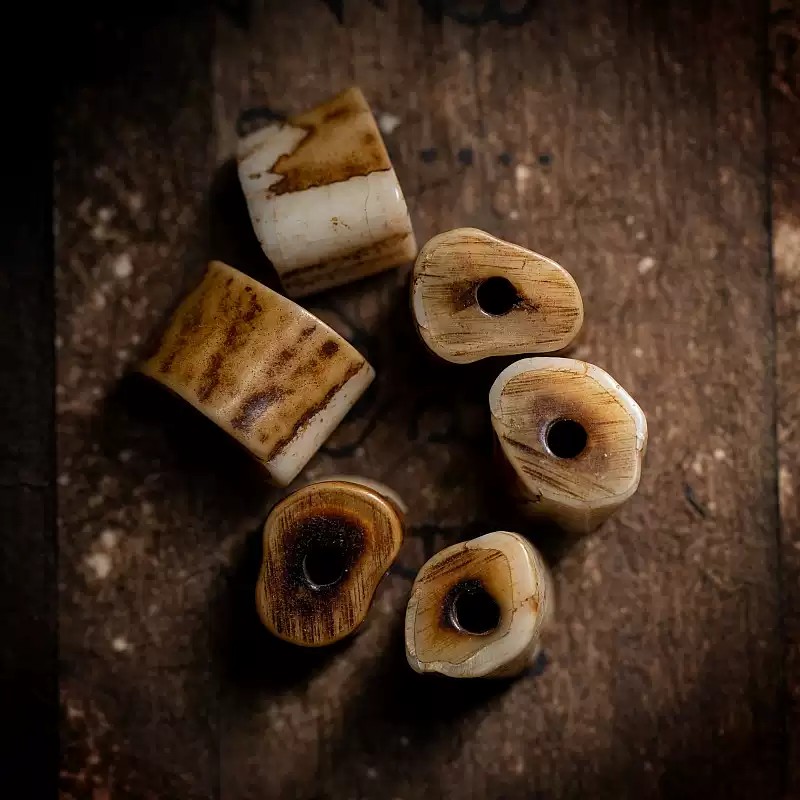
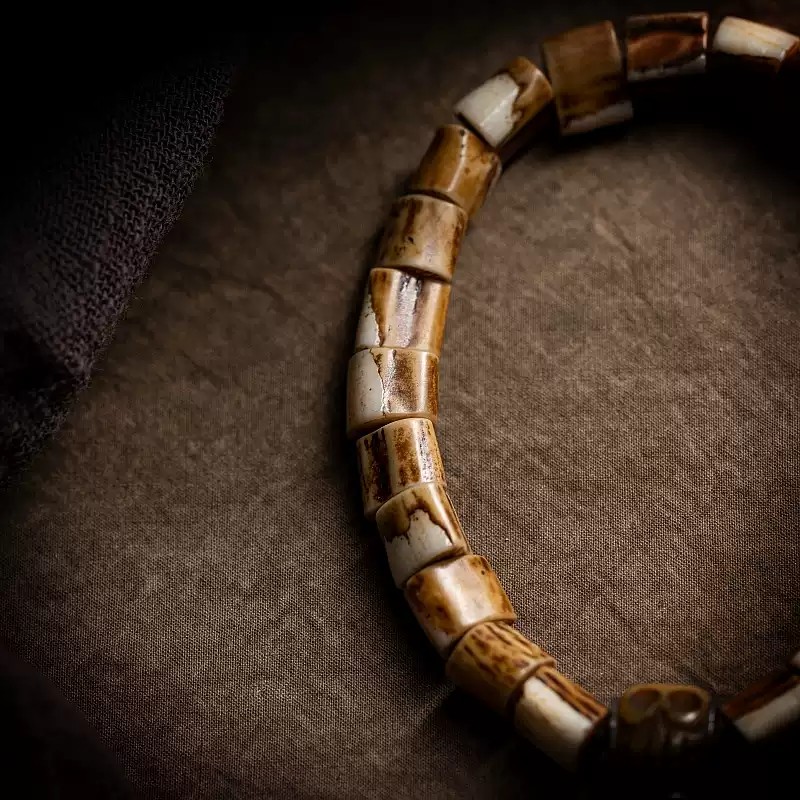
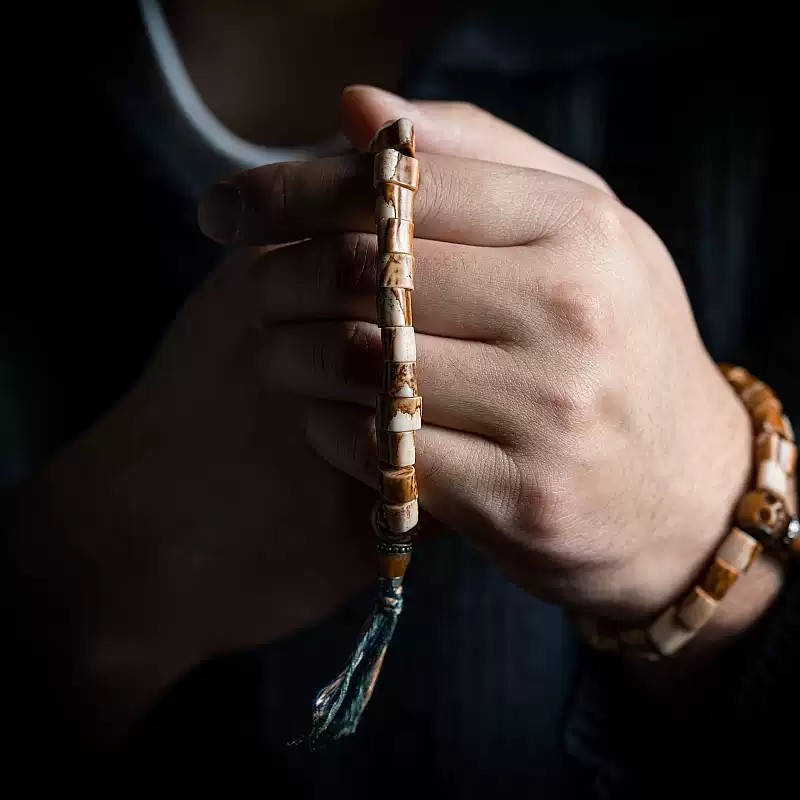
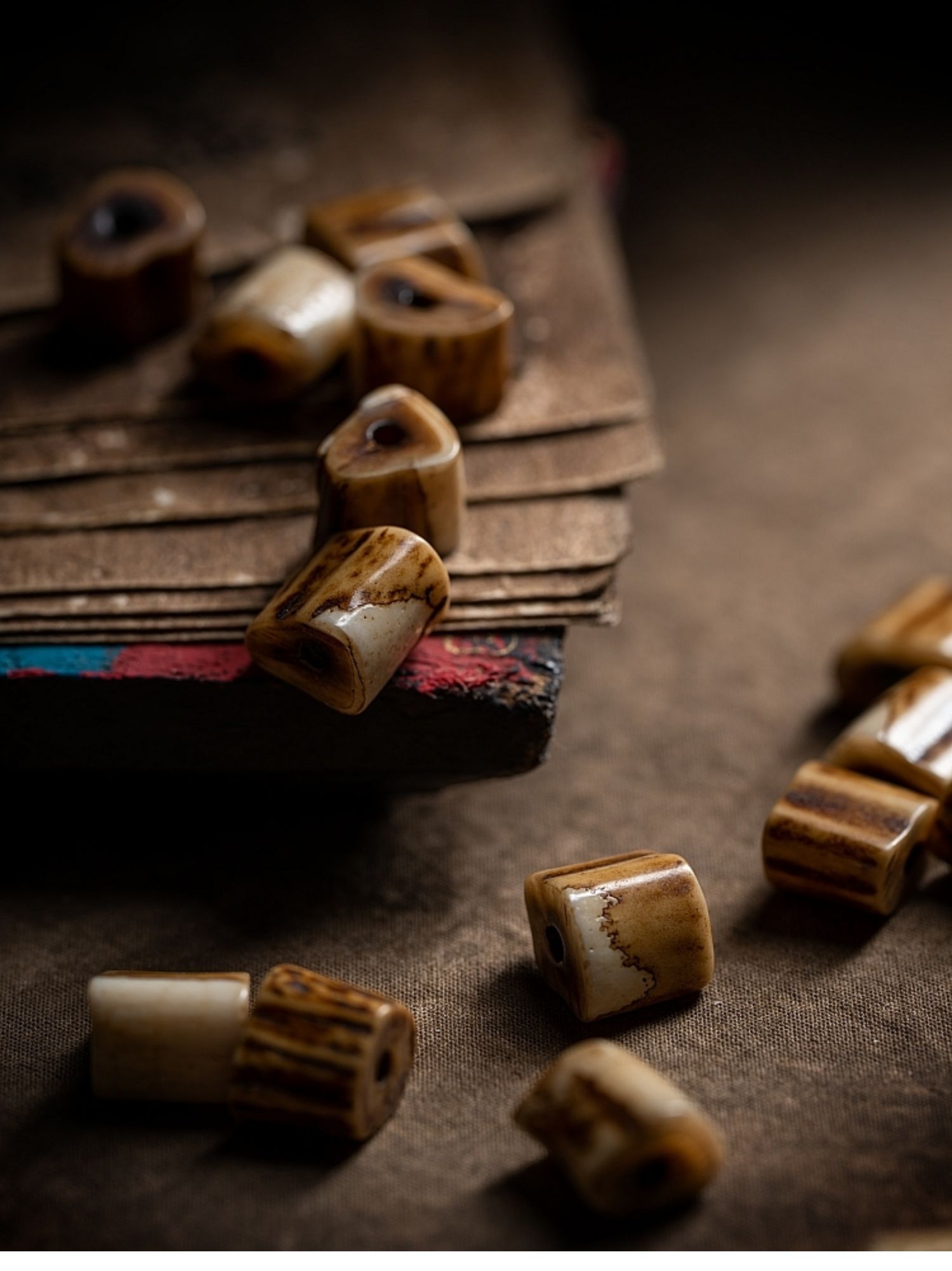
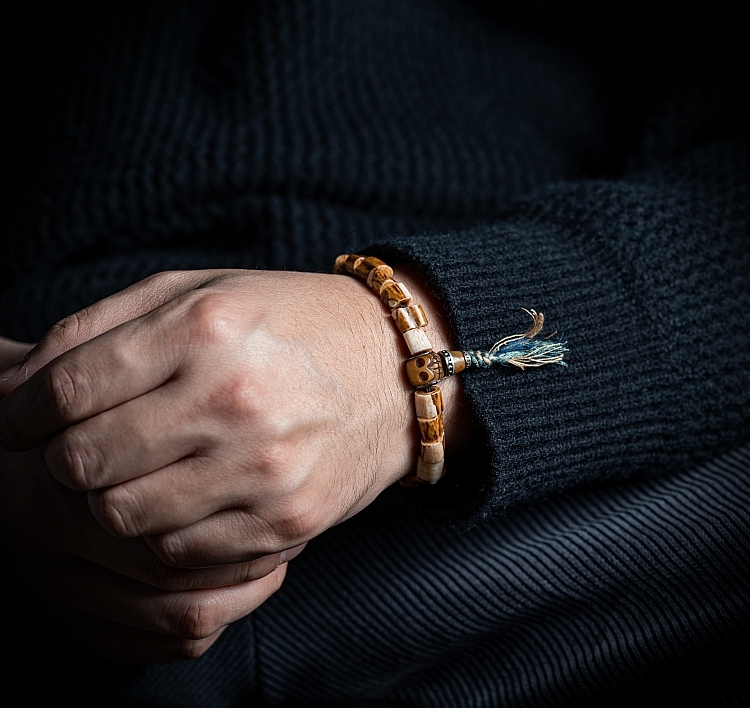
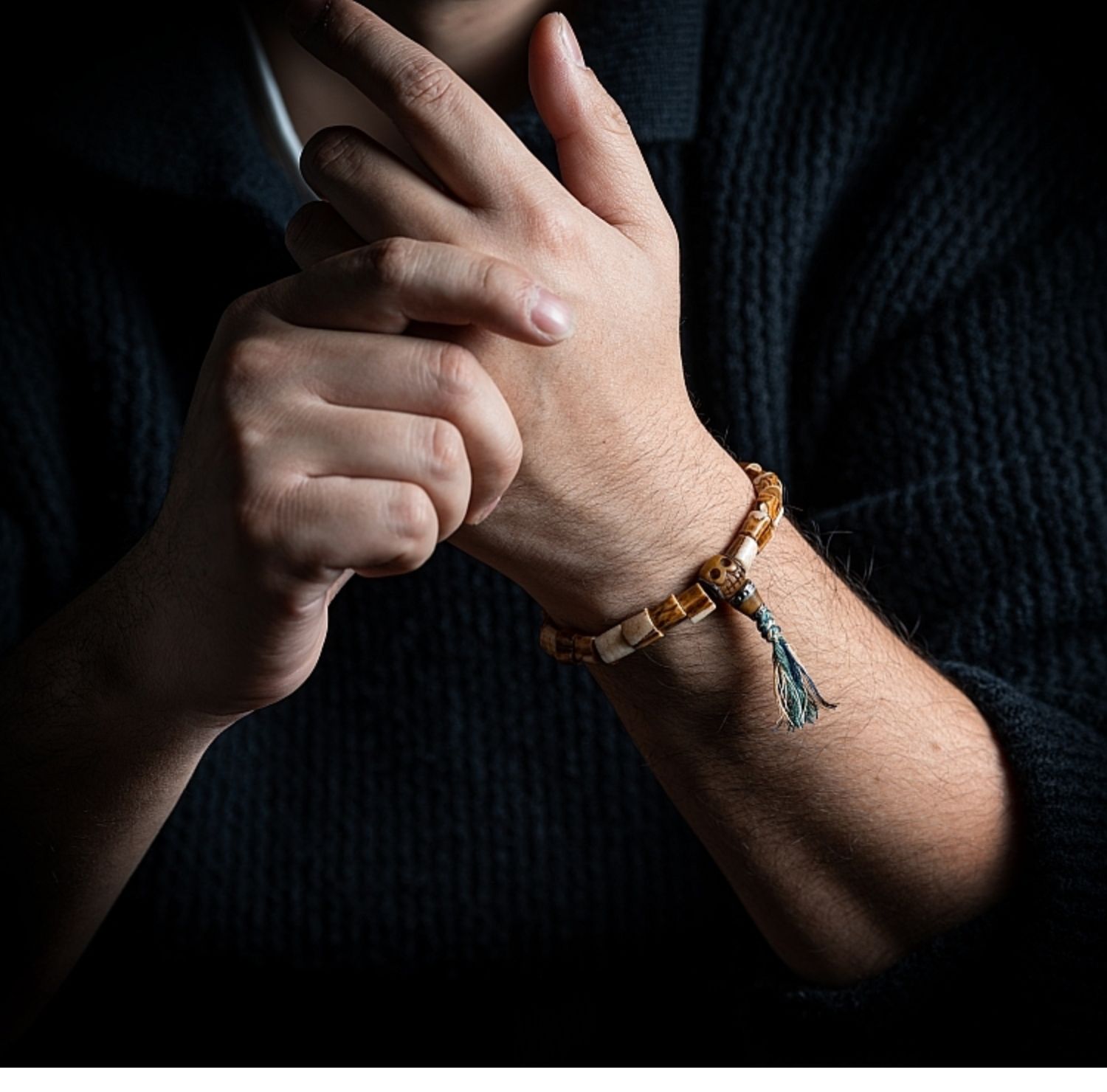
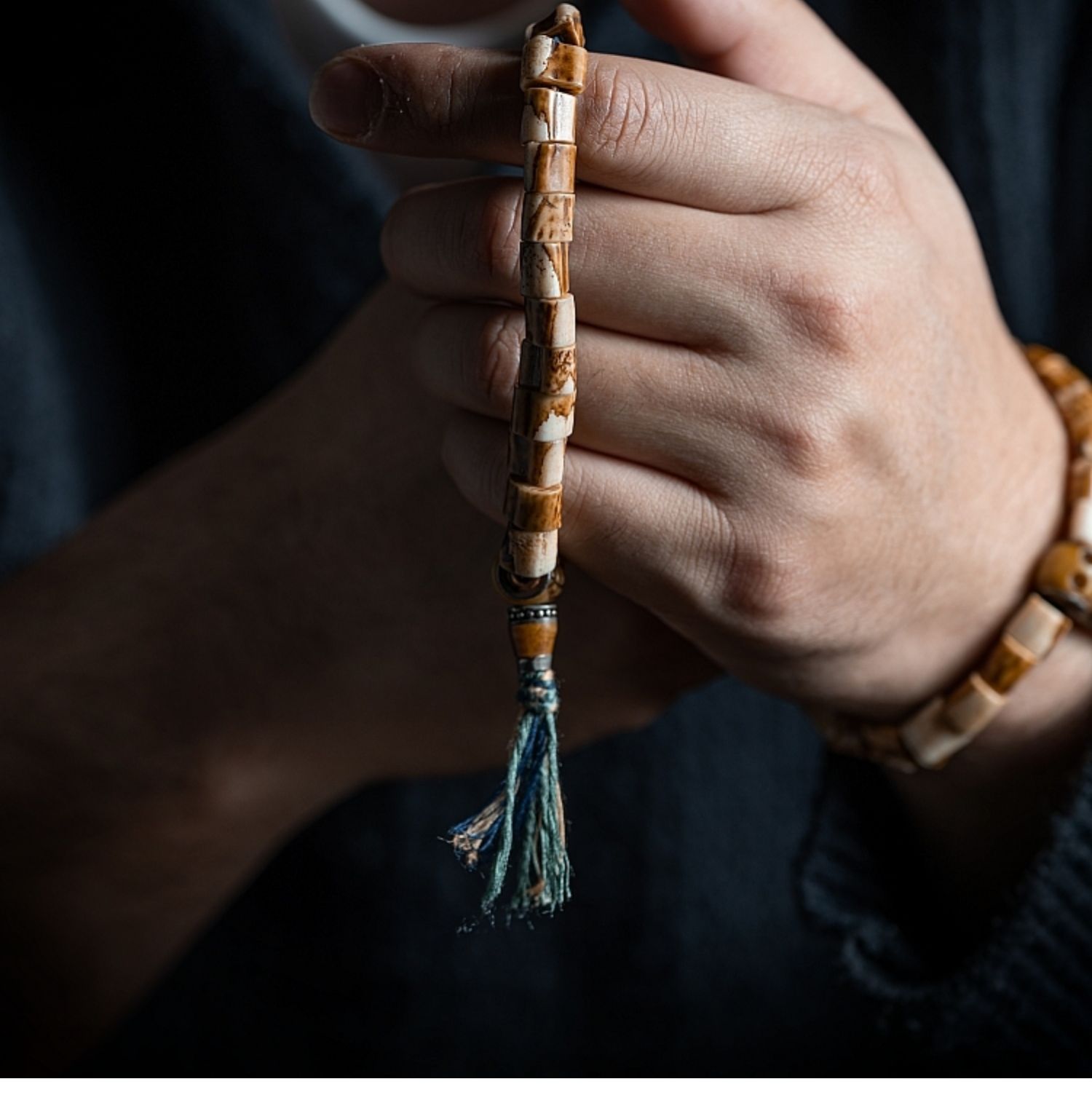
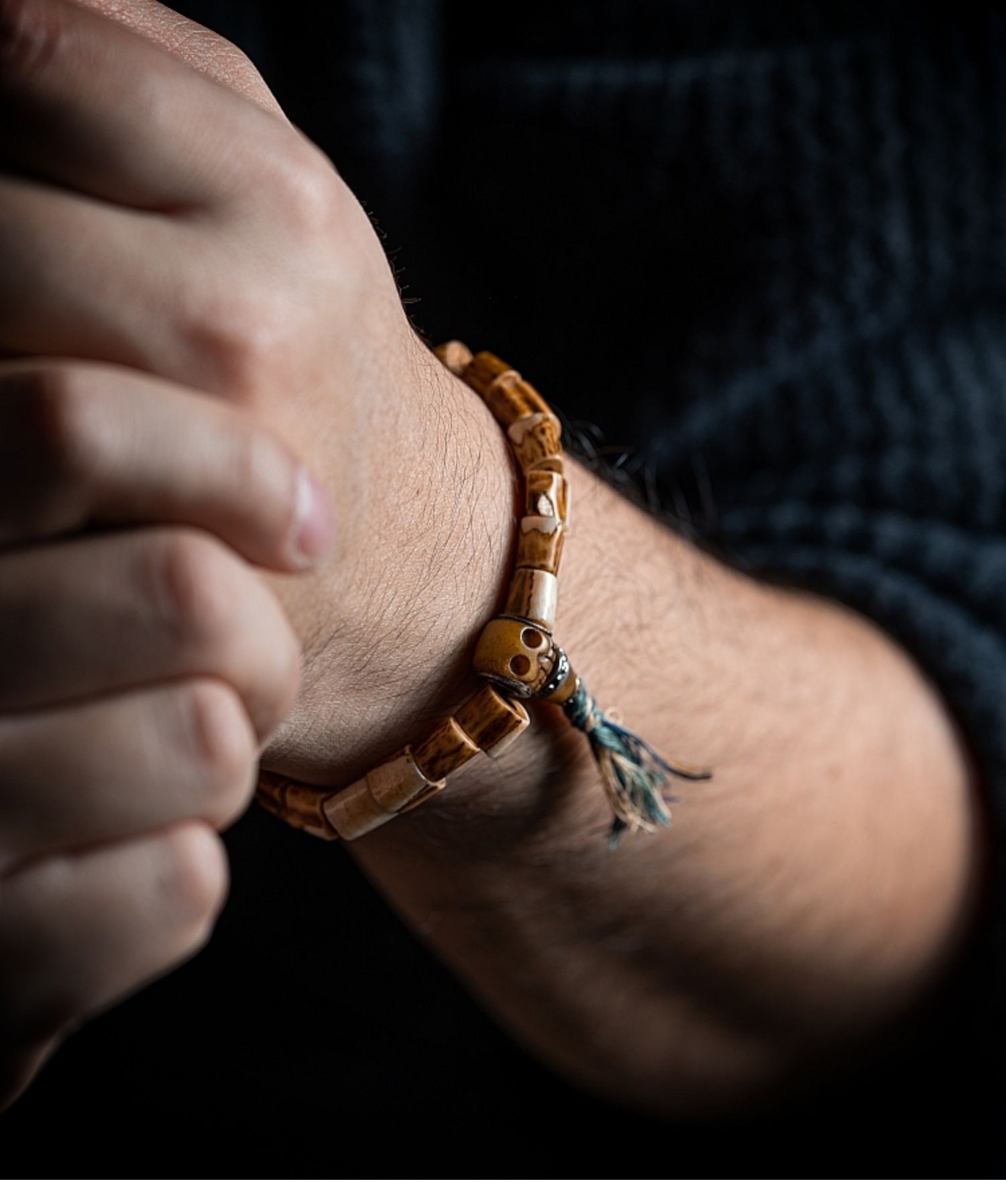
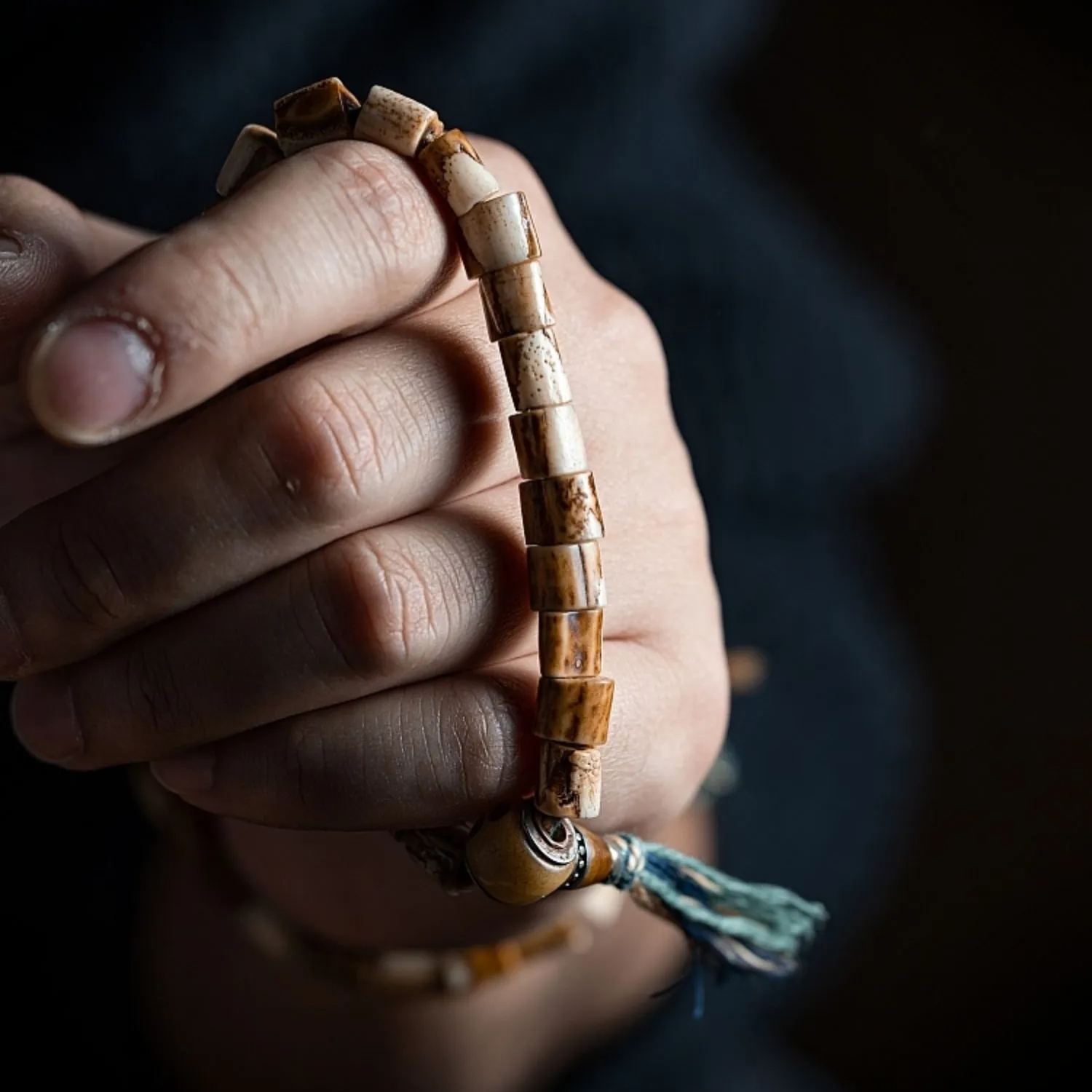
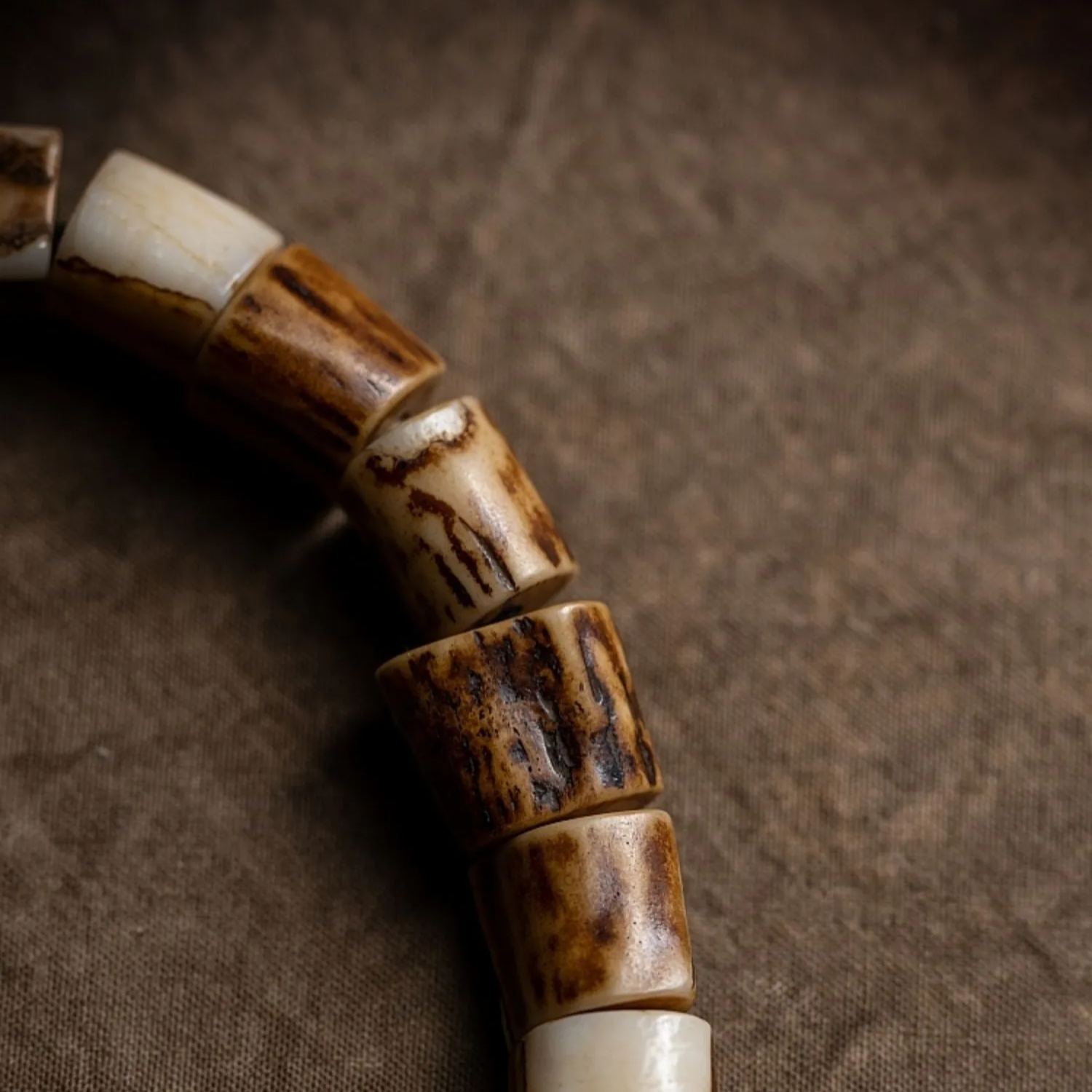
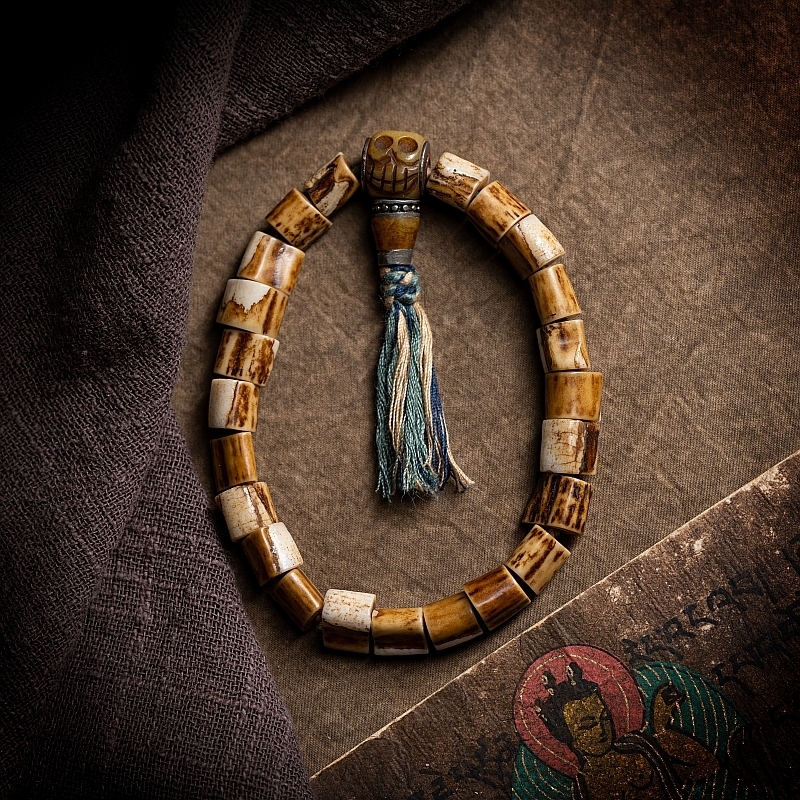
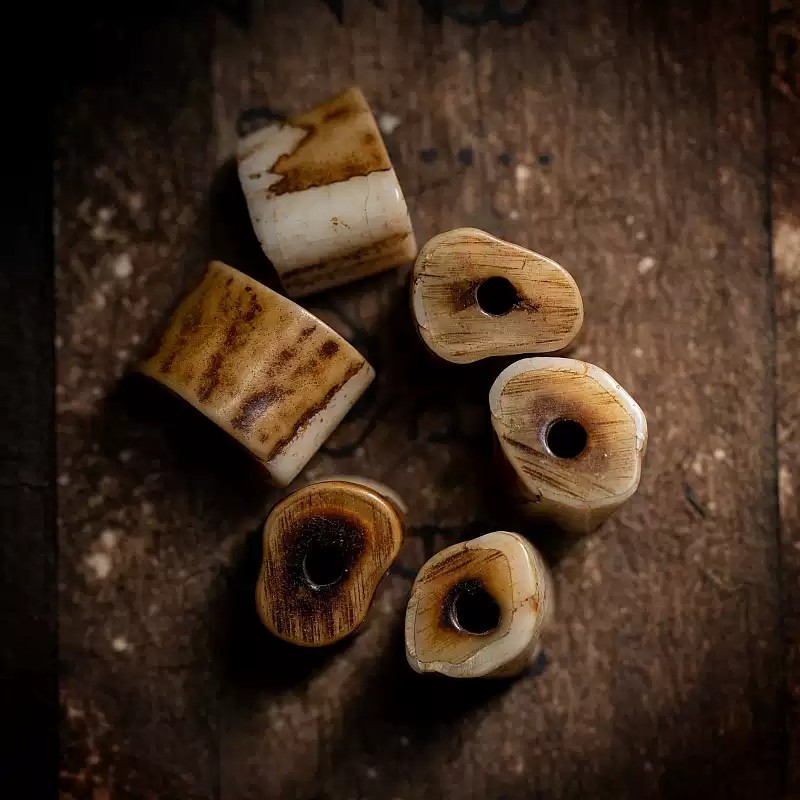
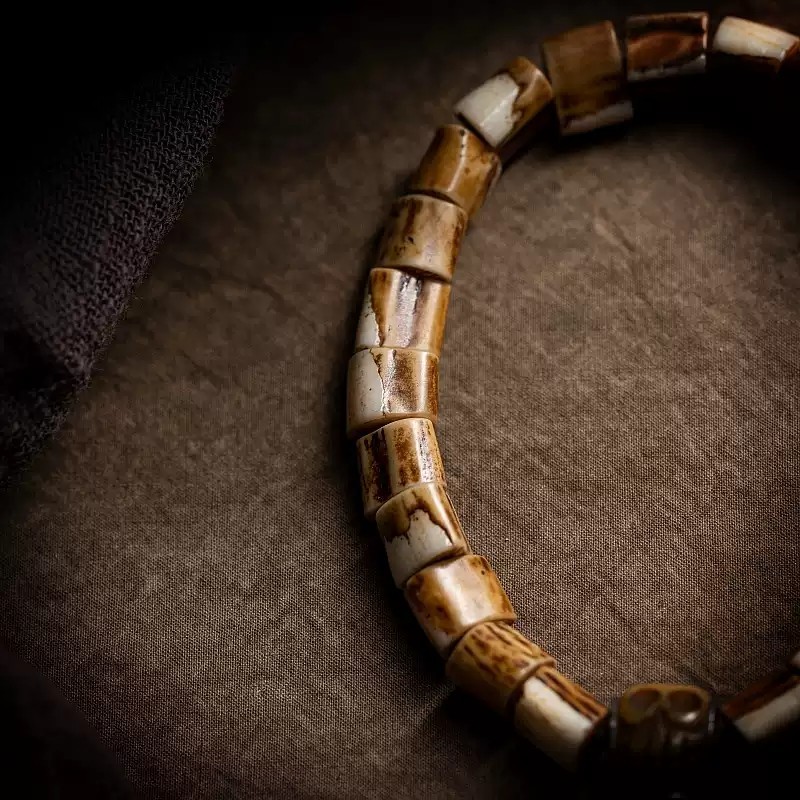
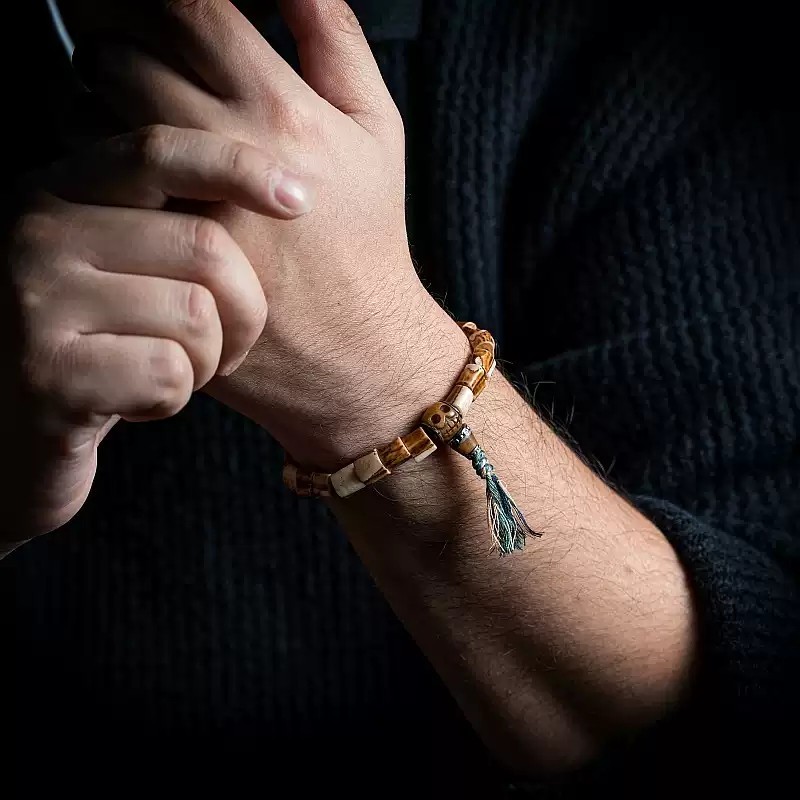
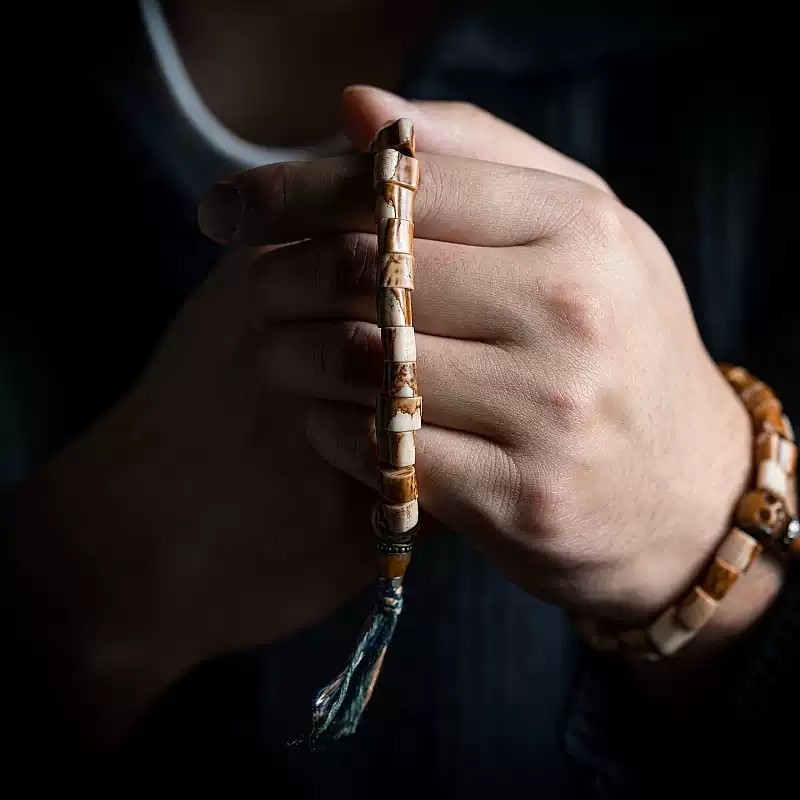
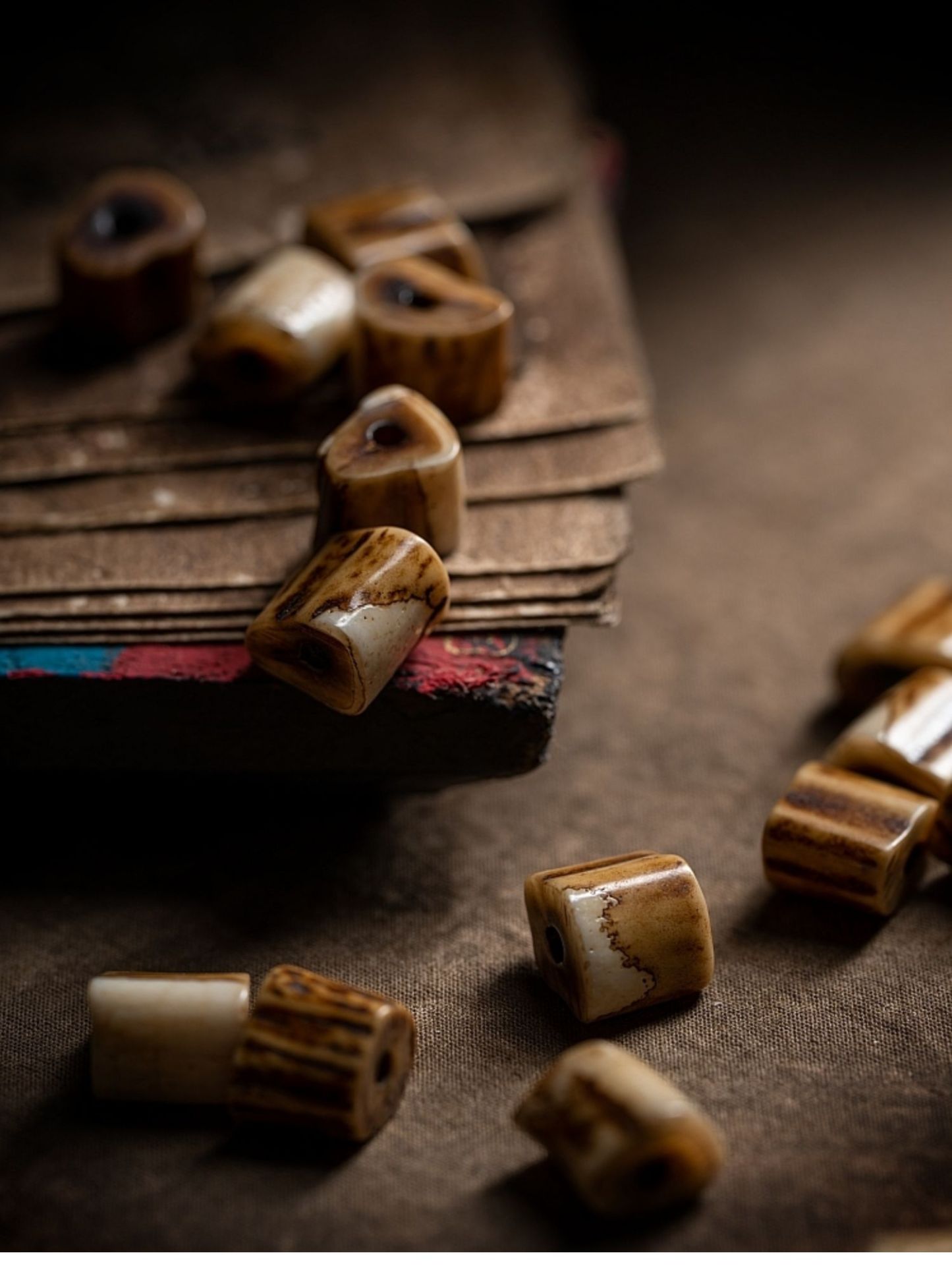
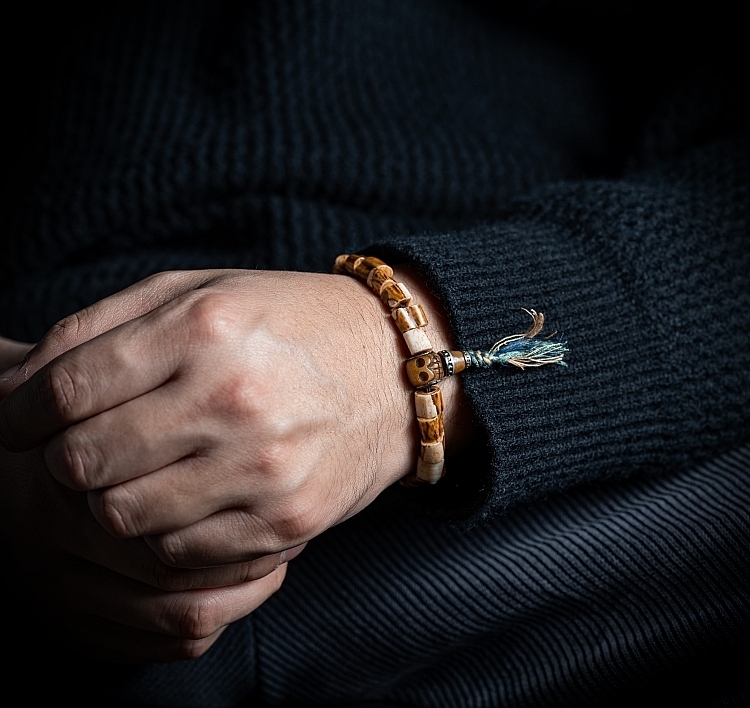
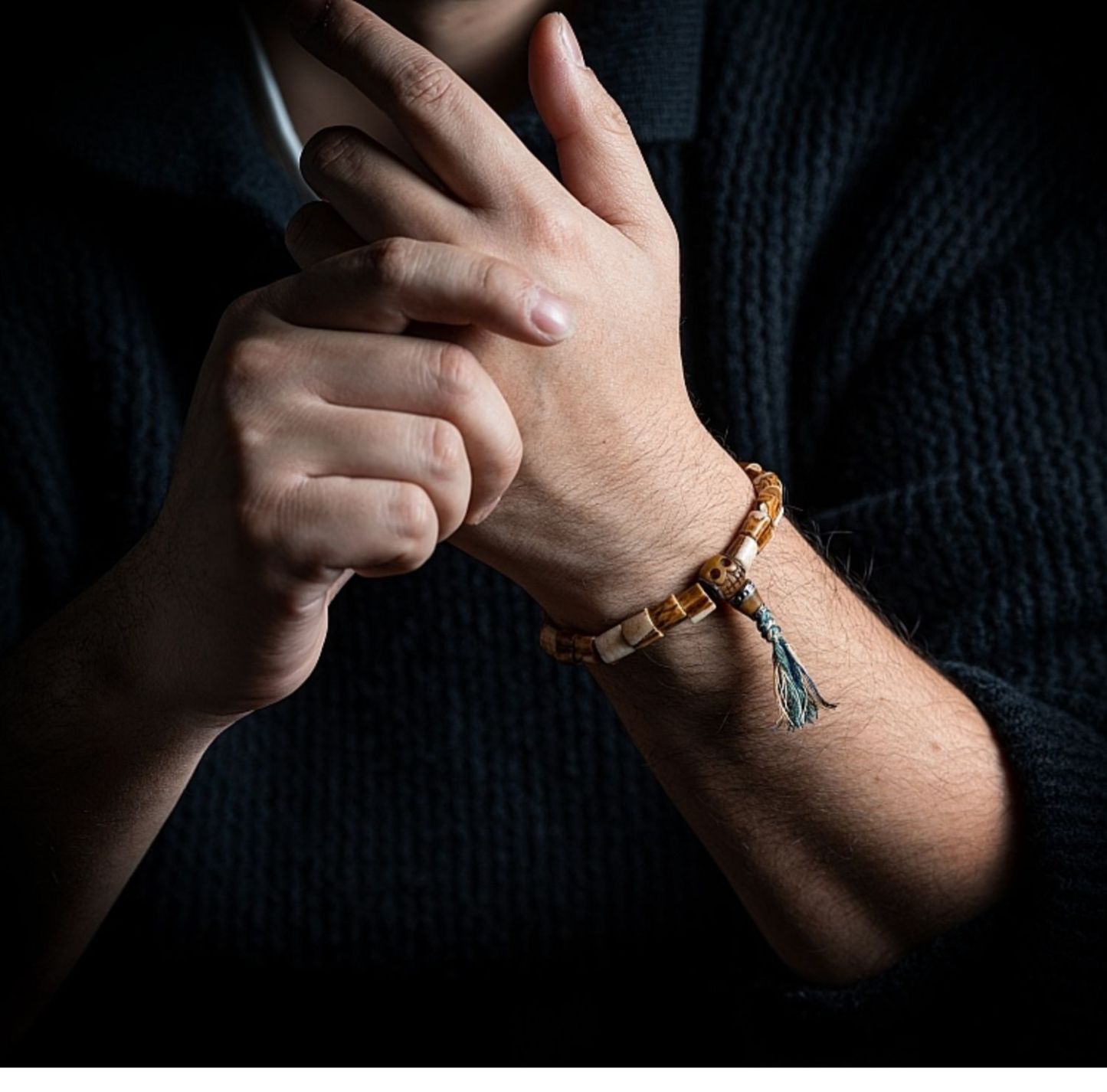
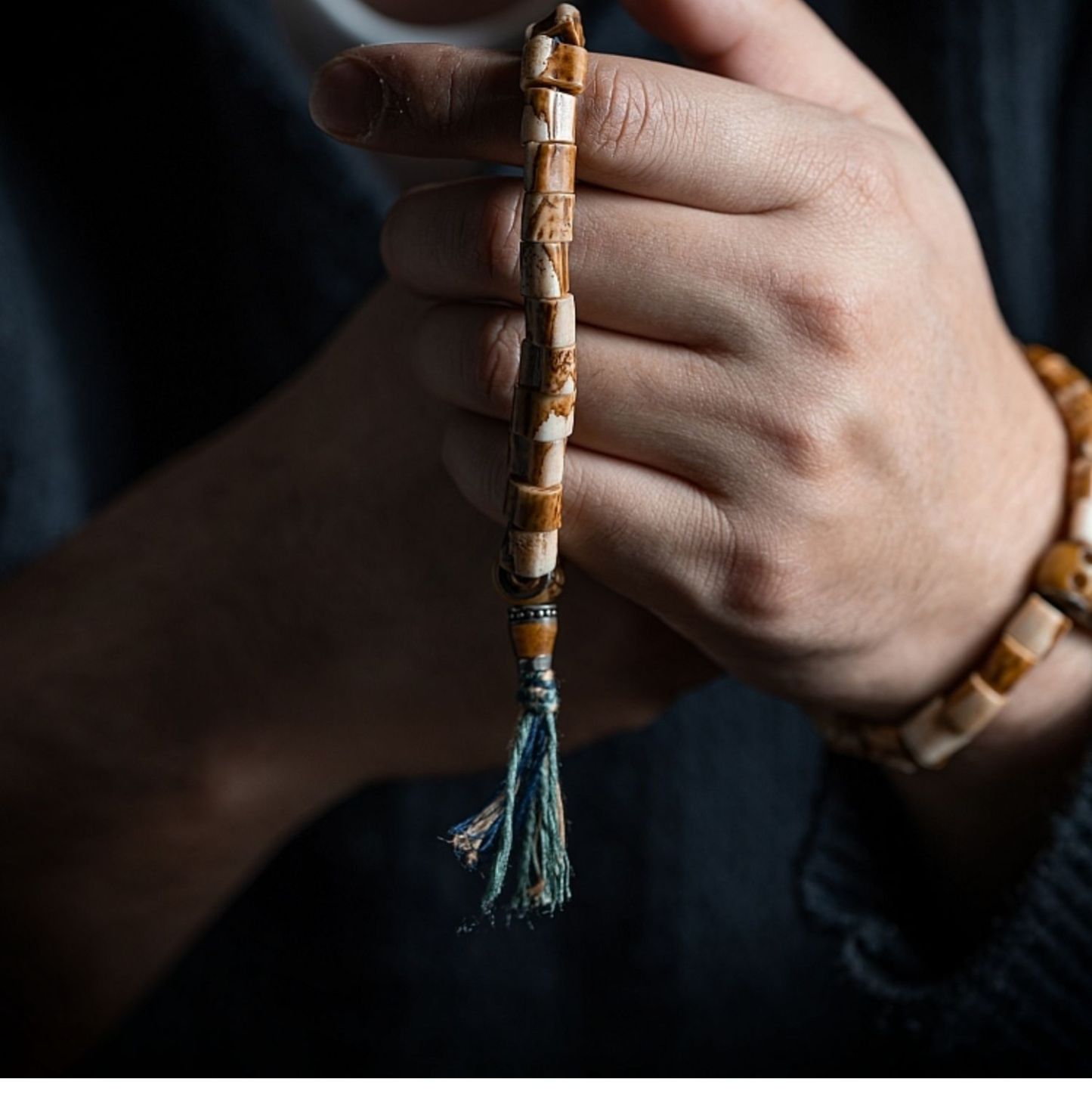
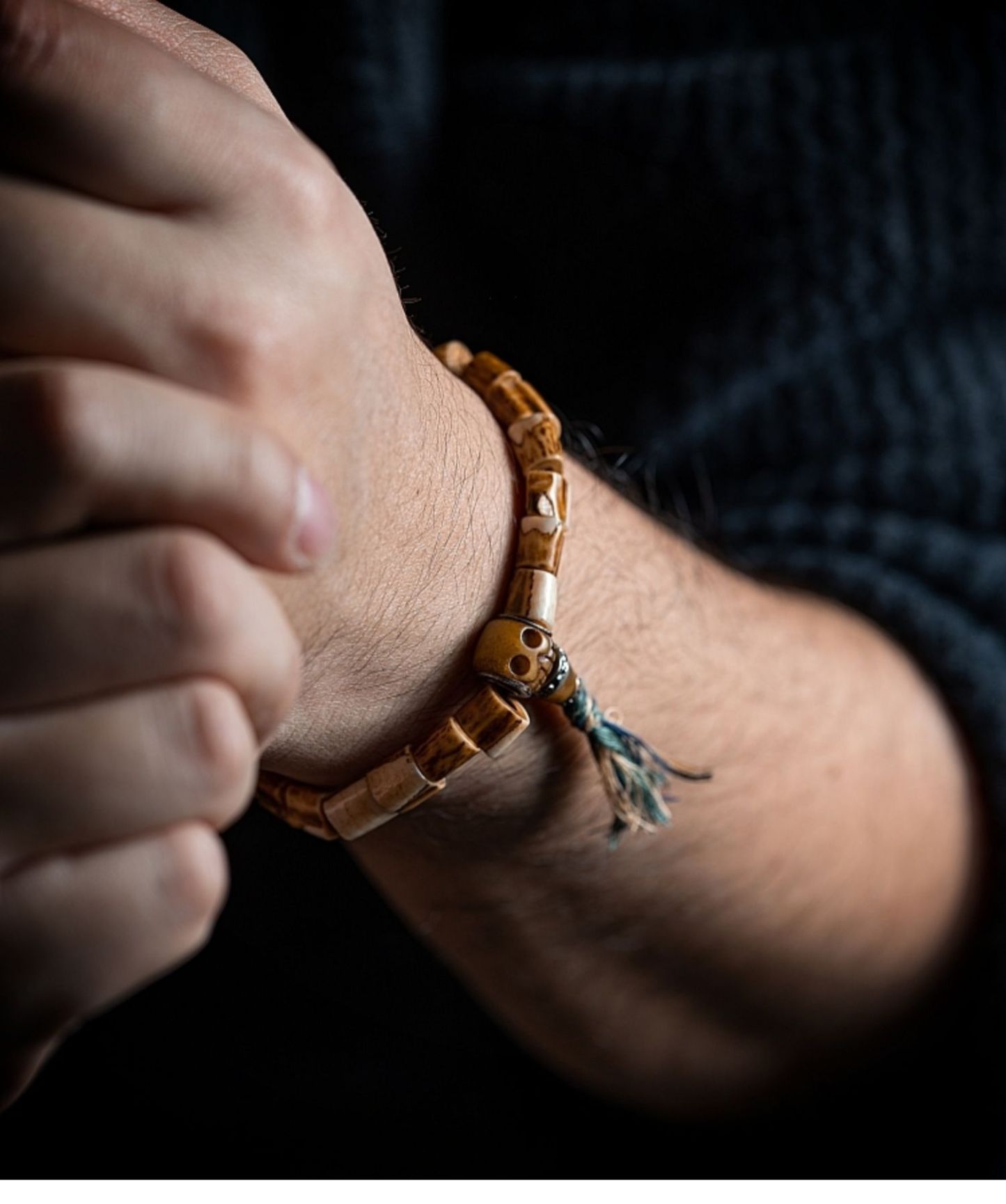
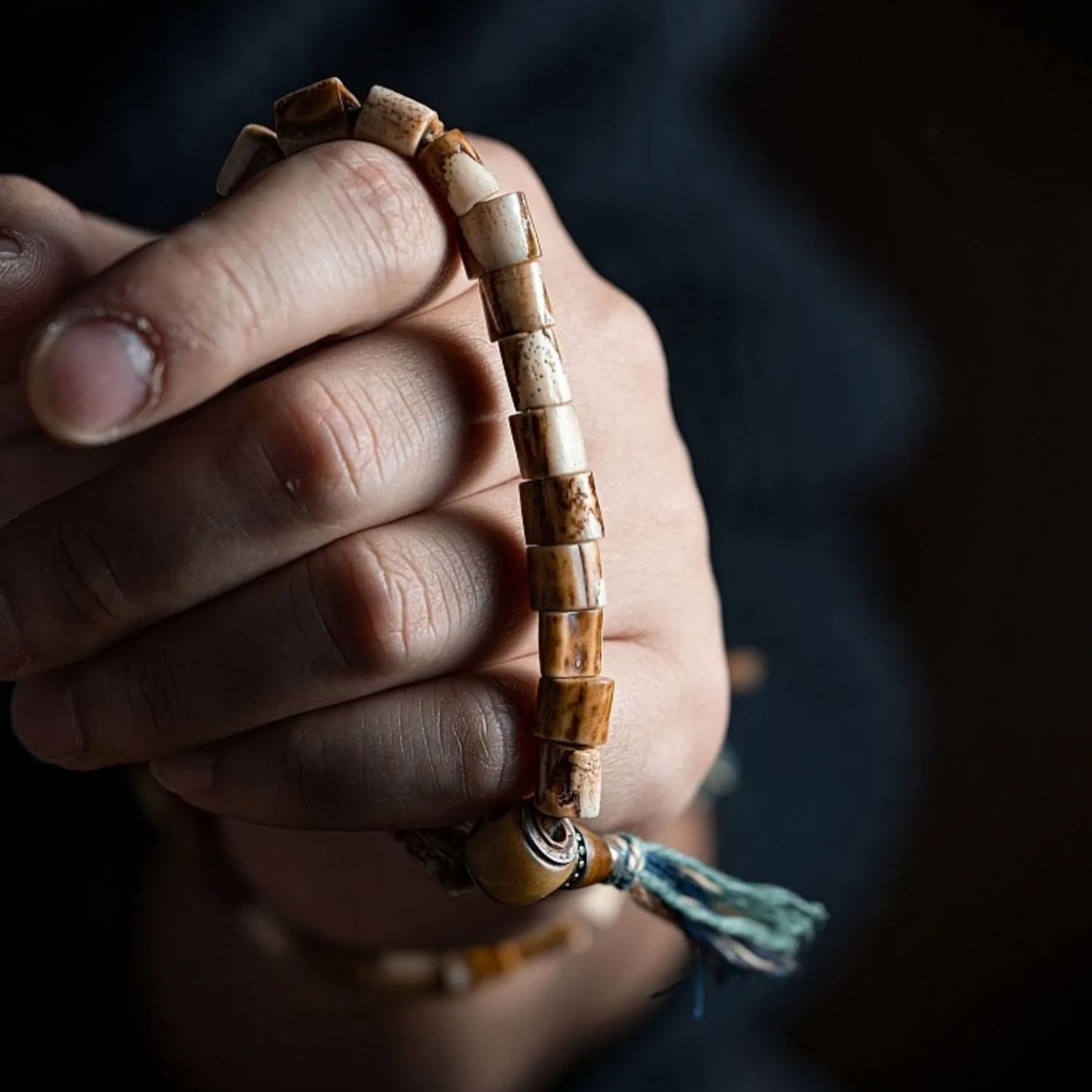
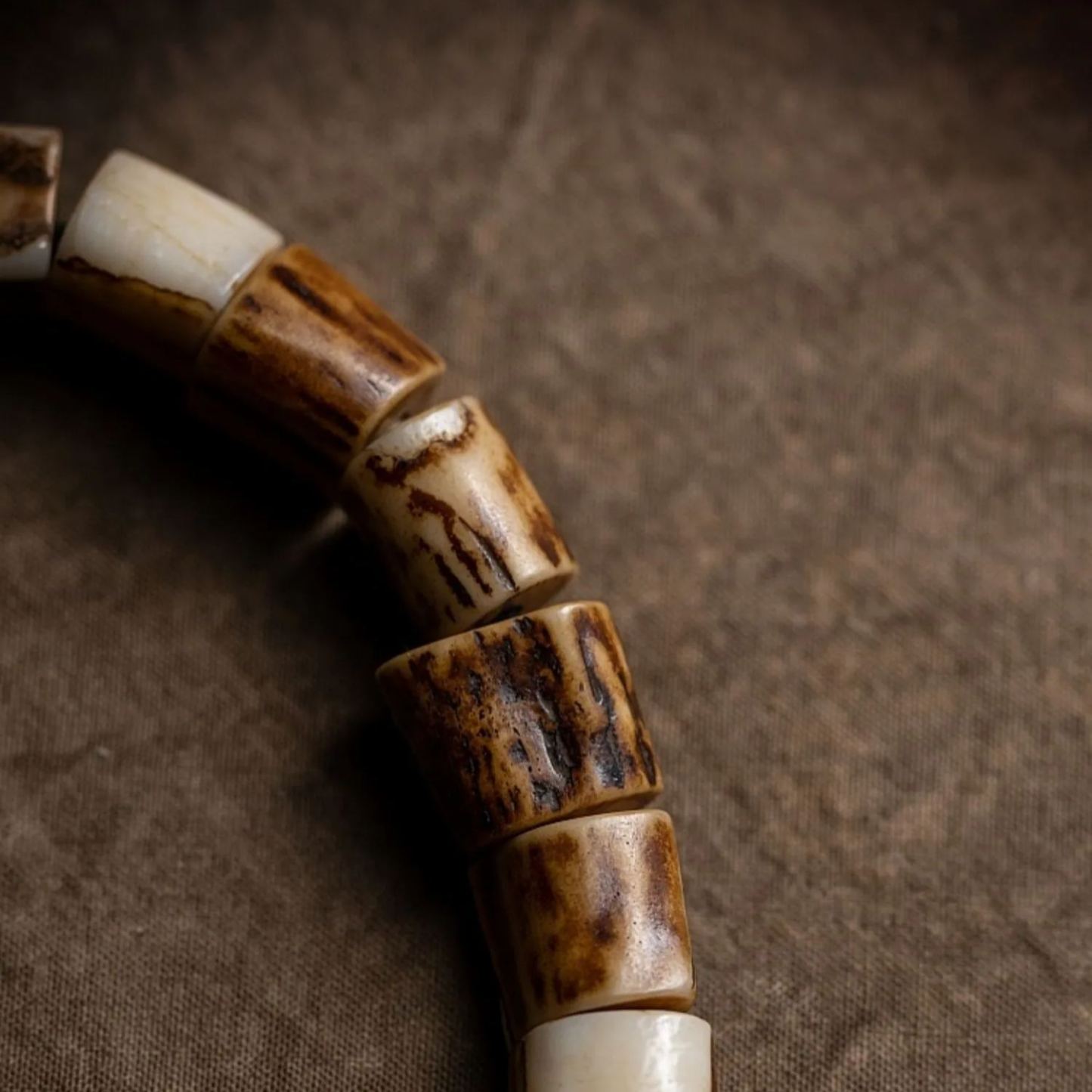
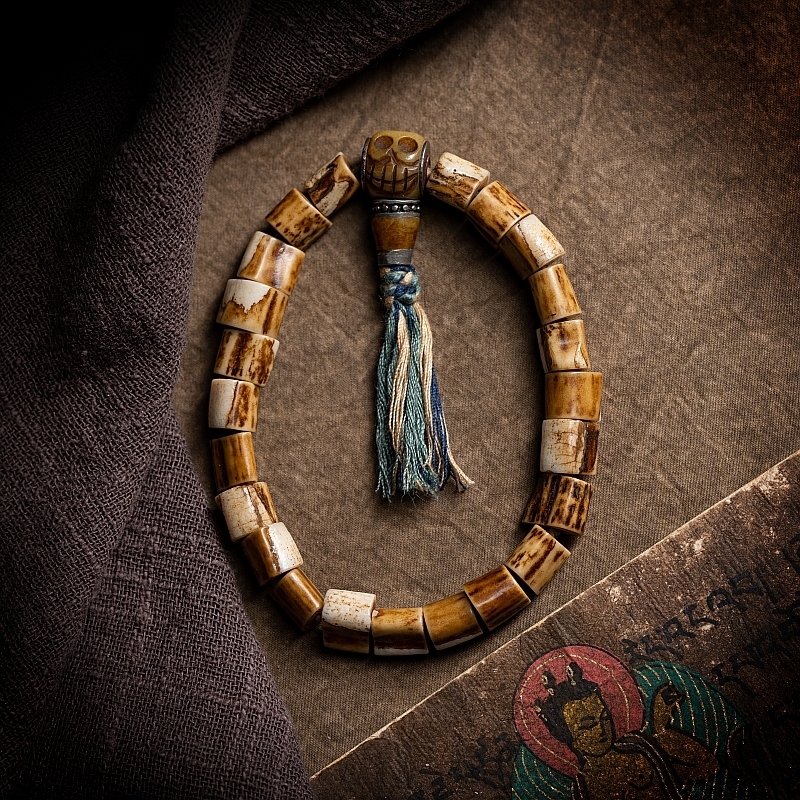
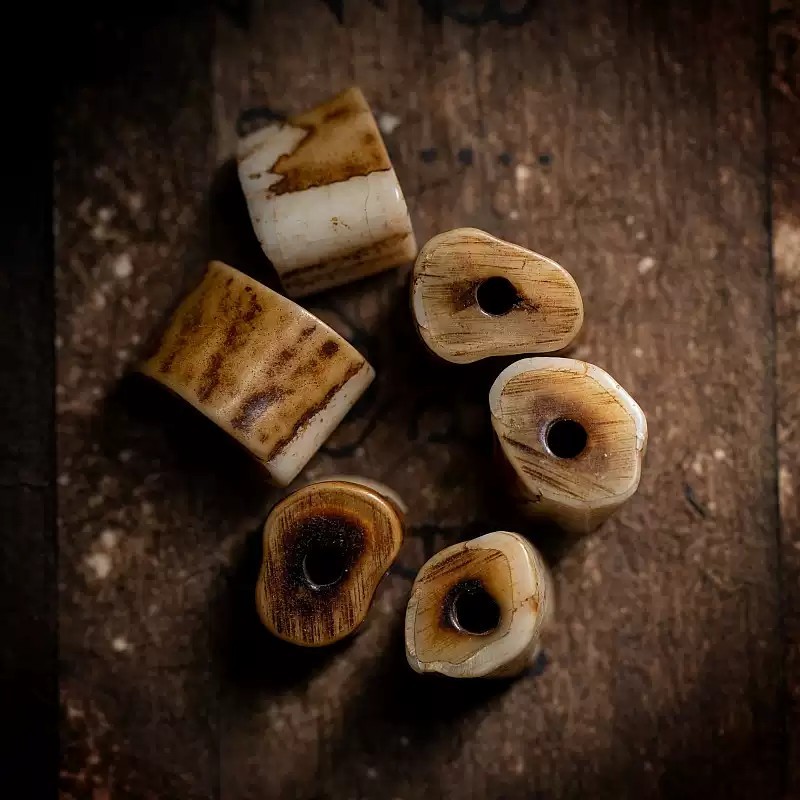
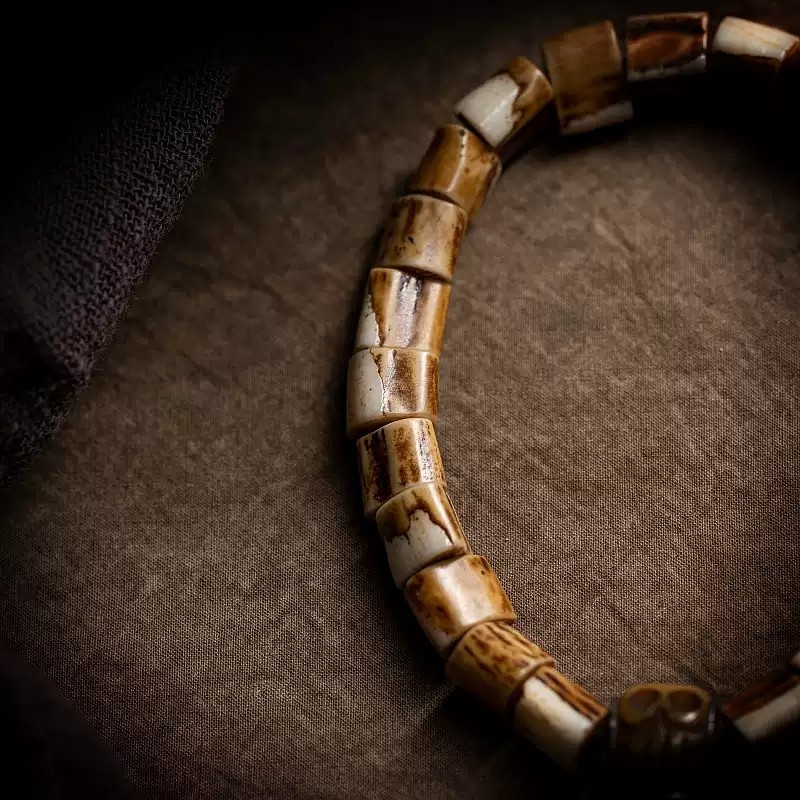
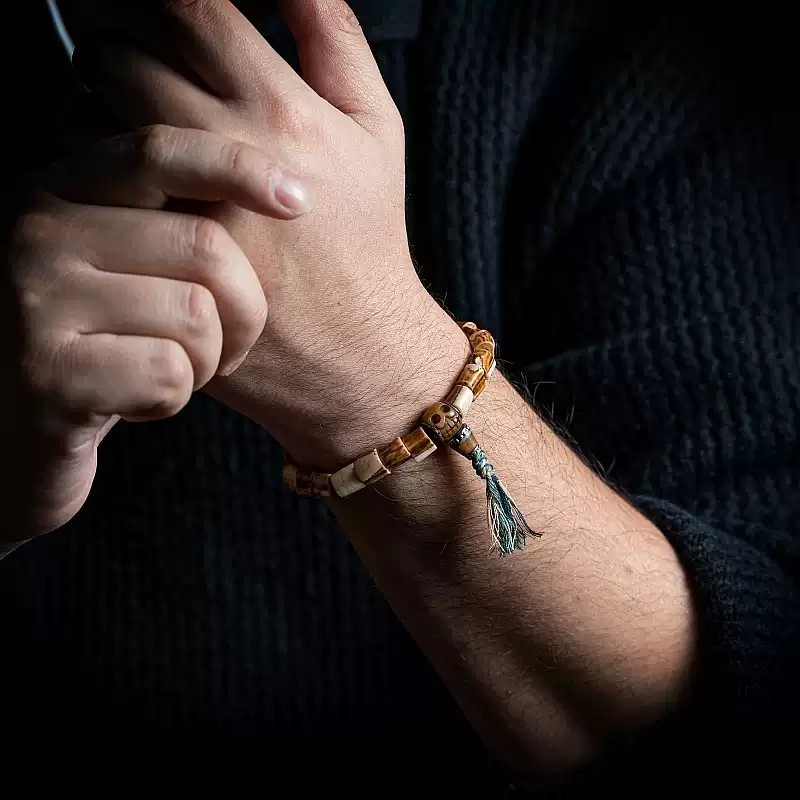
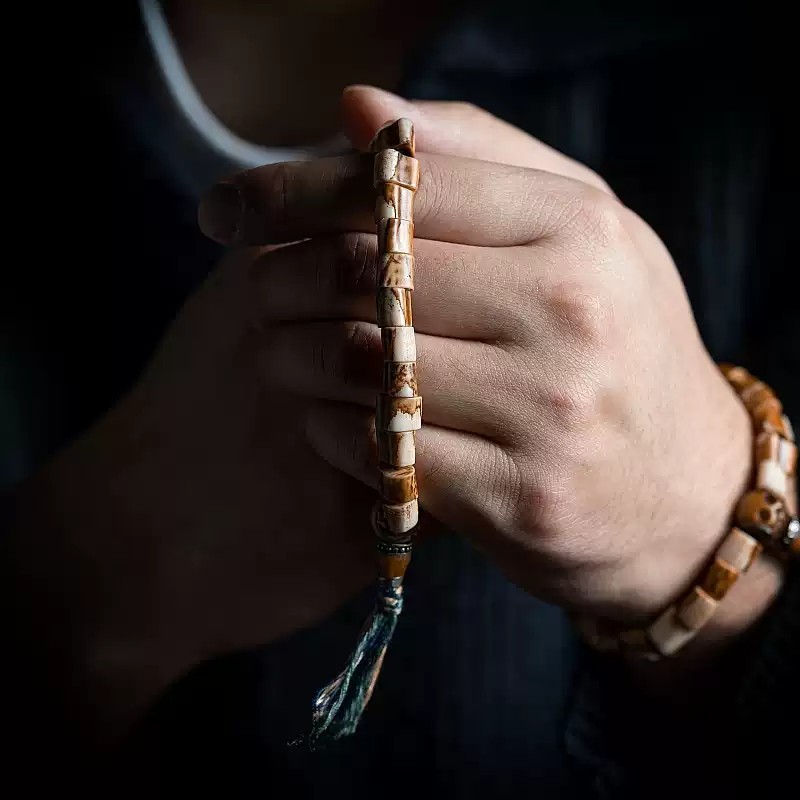
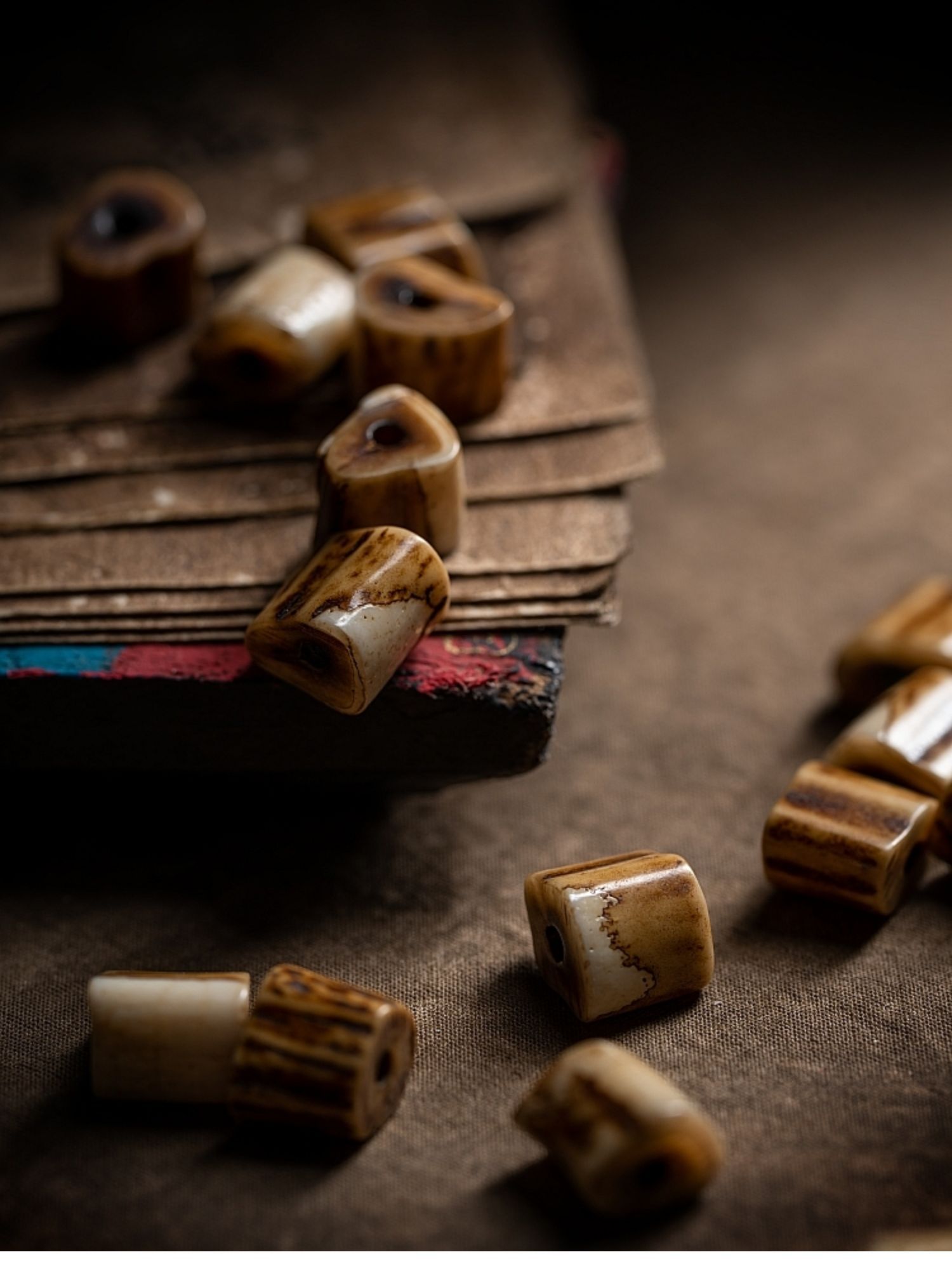
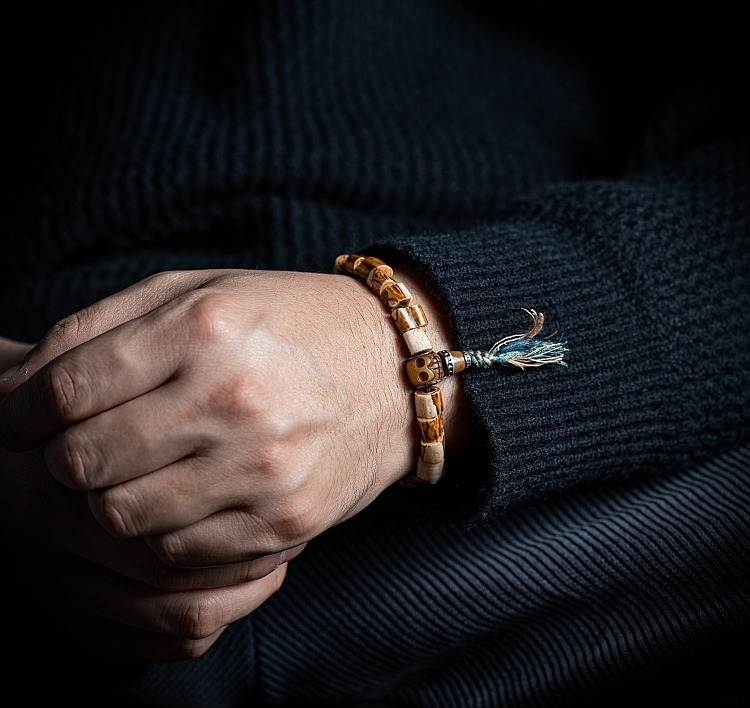
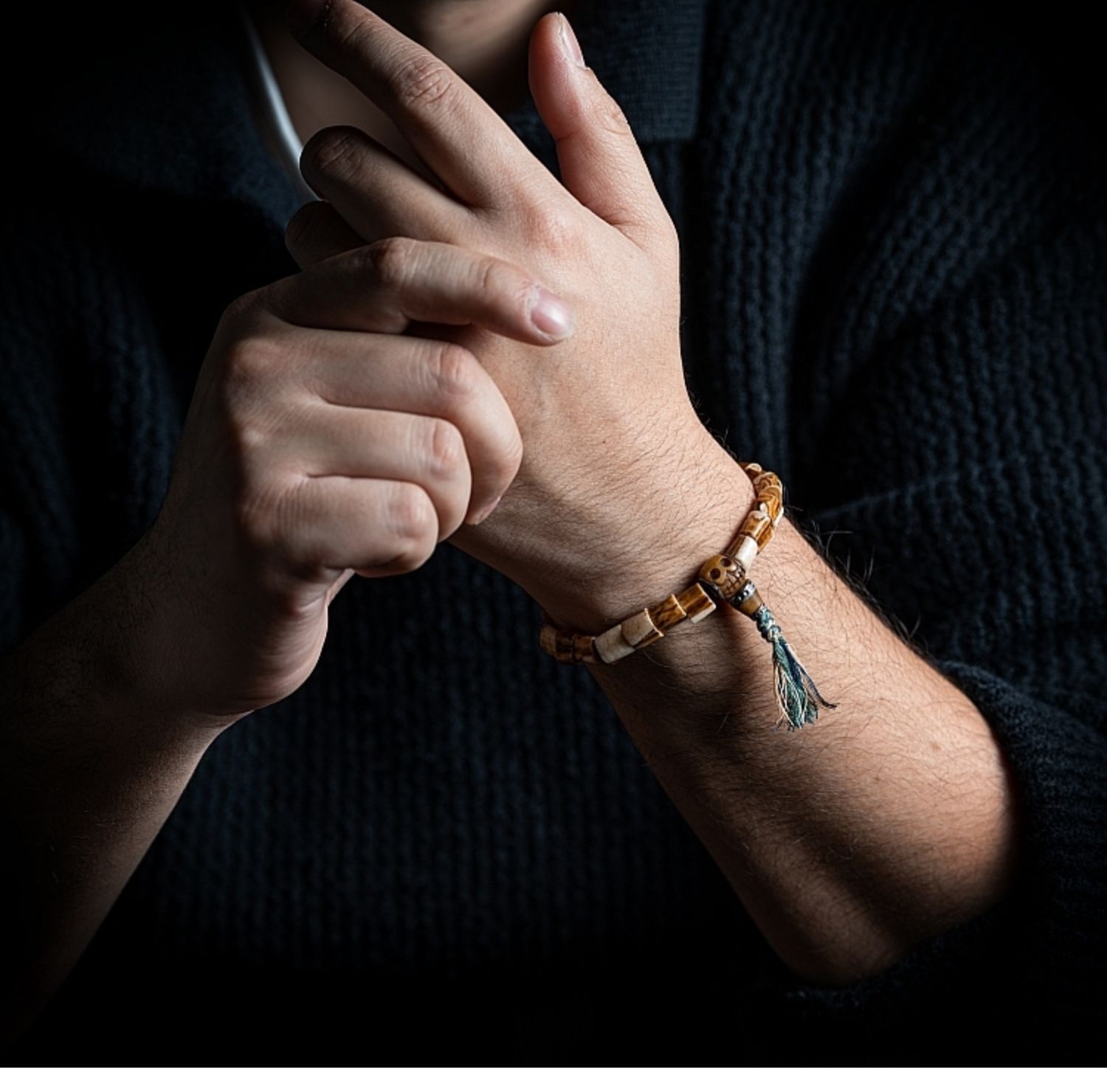
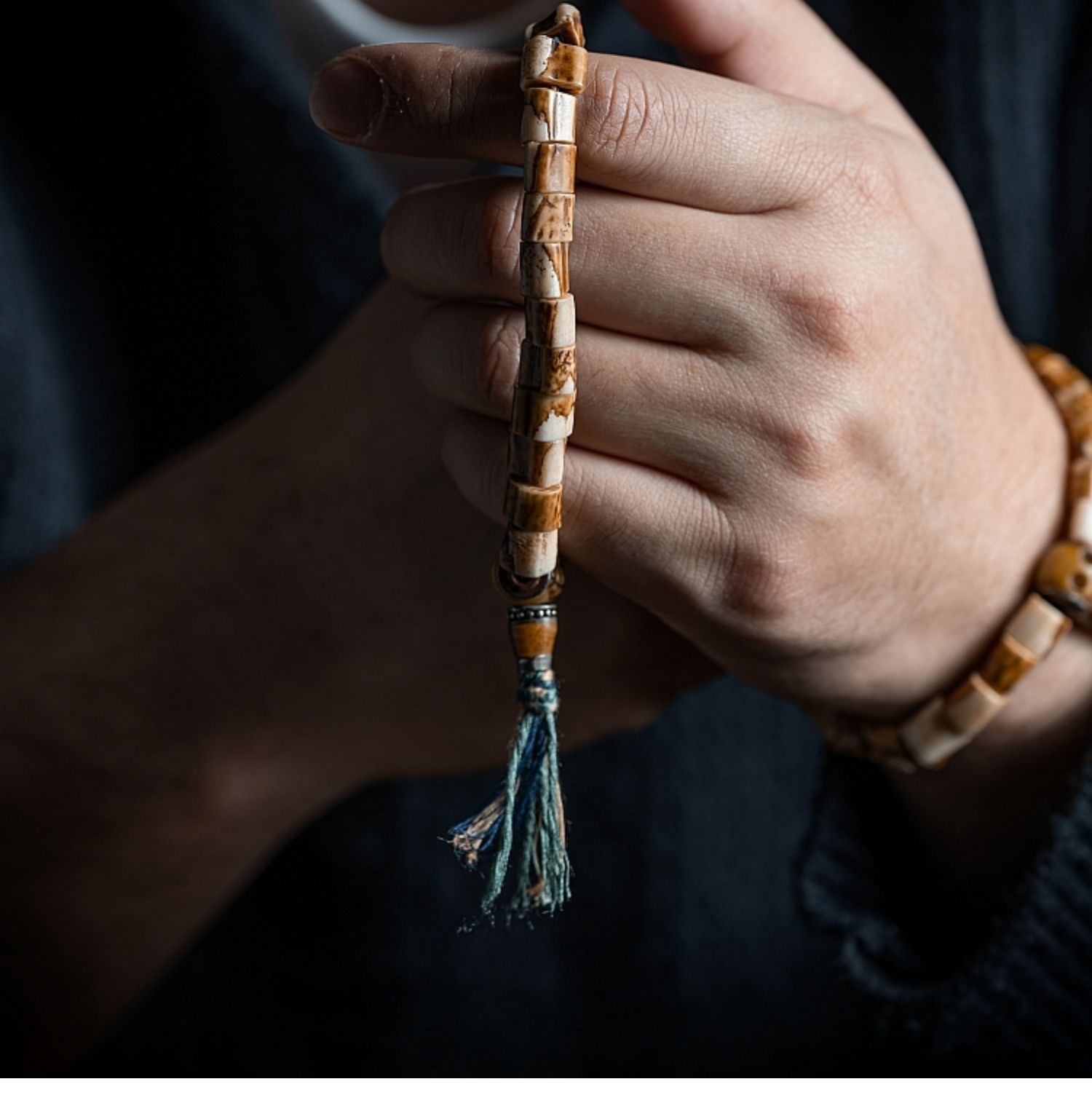
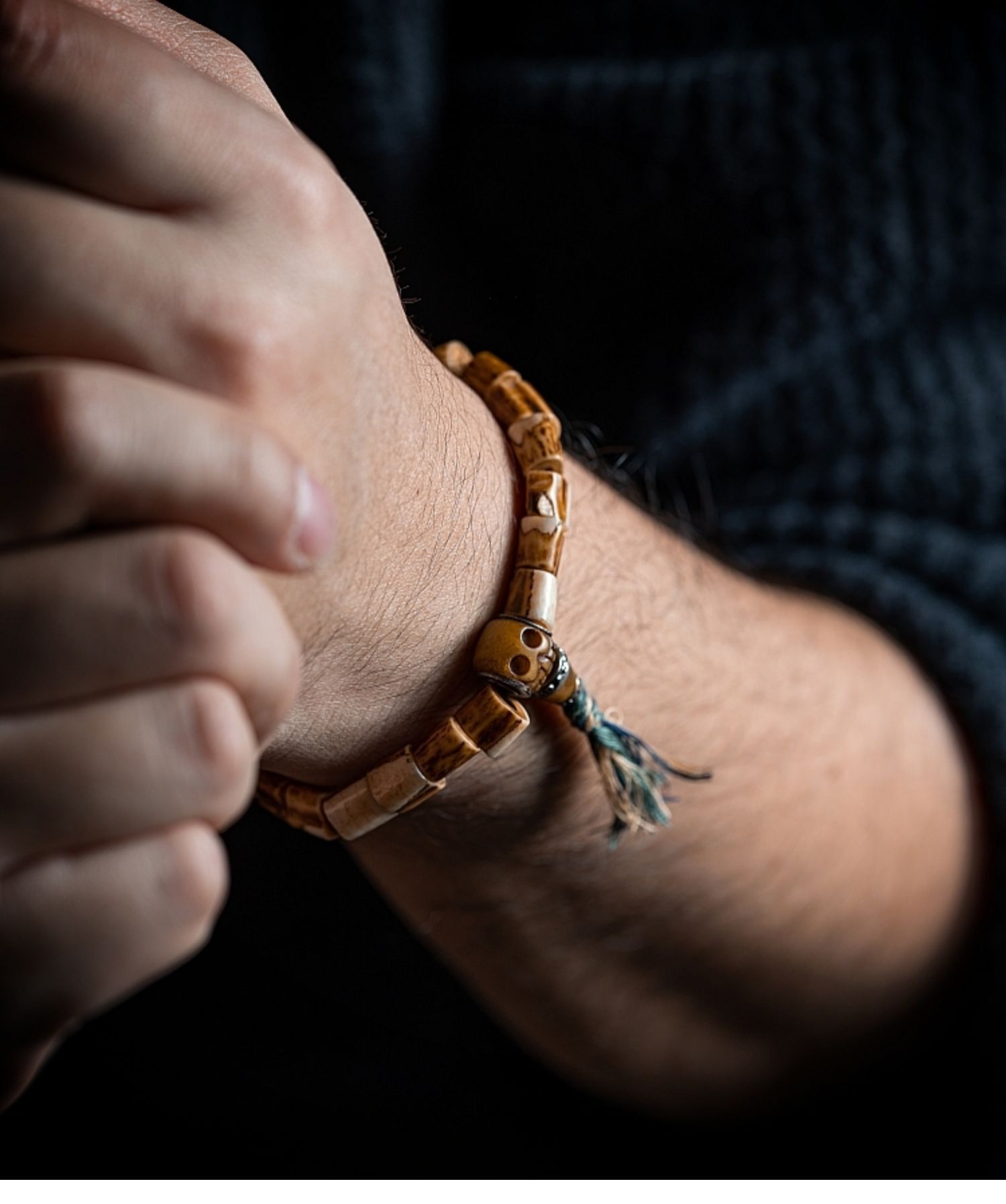
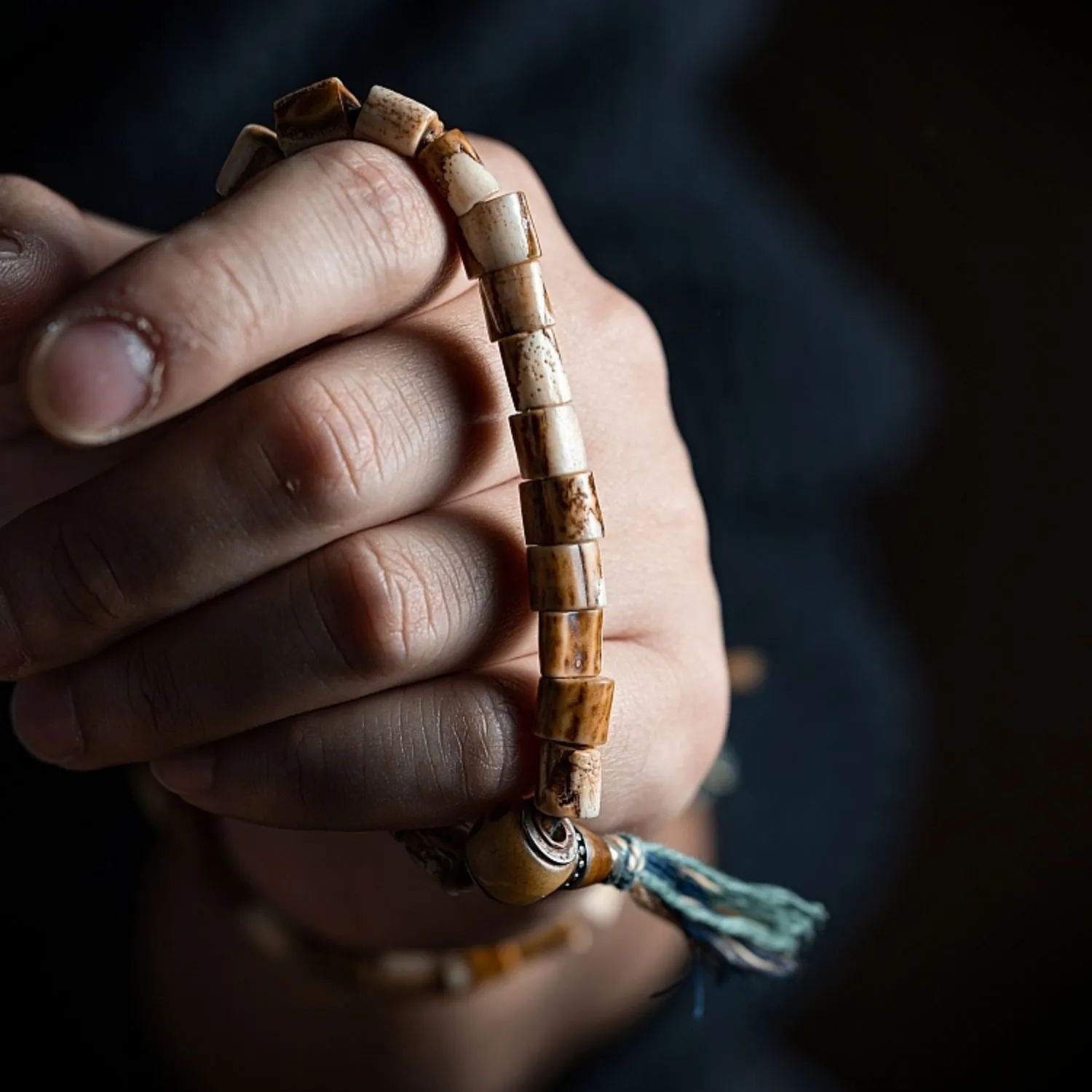
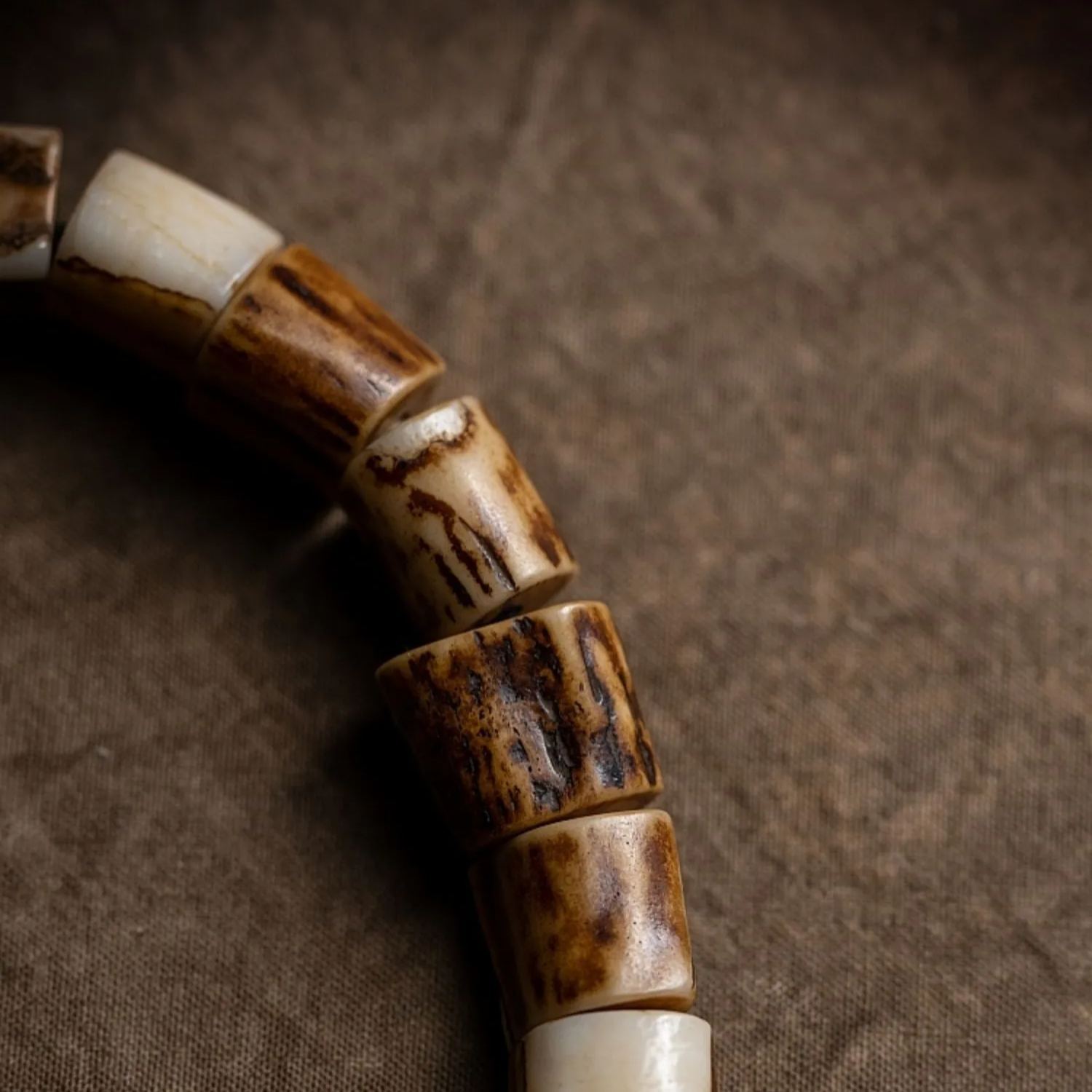
Yak bone/Camel bone: Symbolic, traditional, but porous and should be kept dry.
-
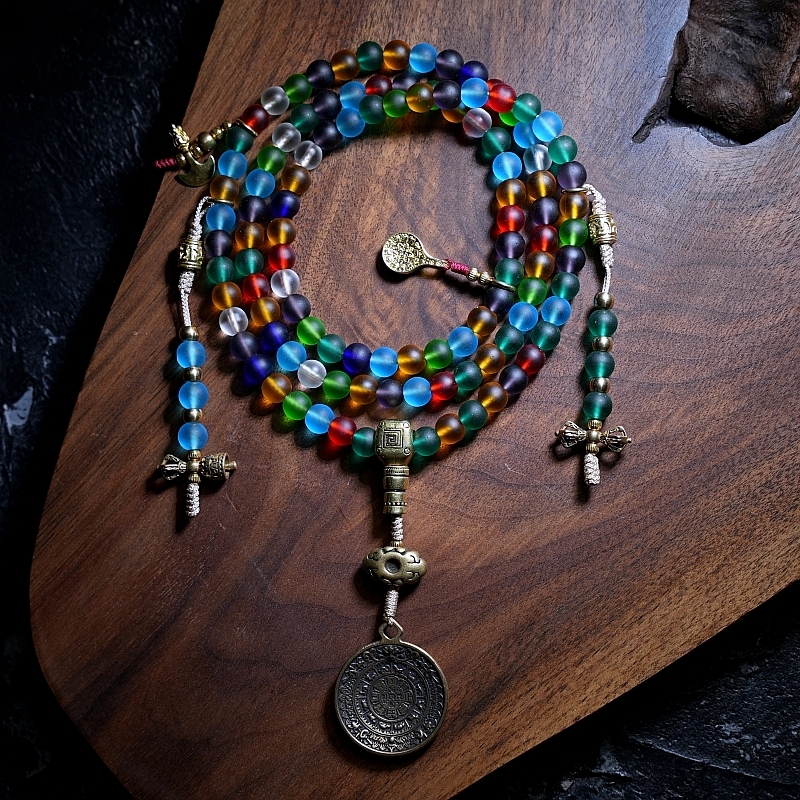
Glass & Resin: Durable, good for daily wear, but can chip if dropped.
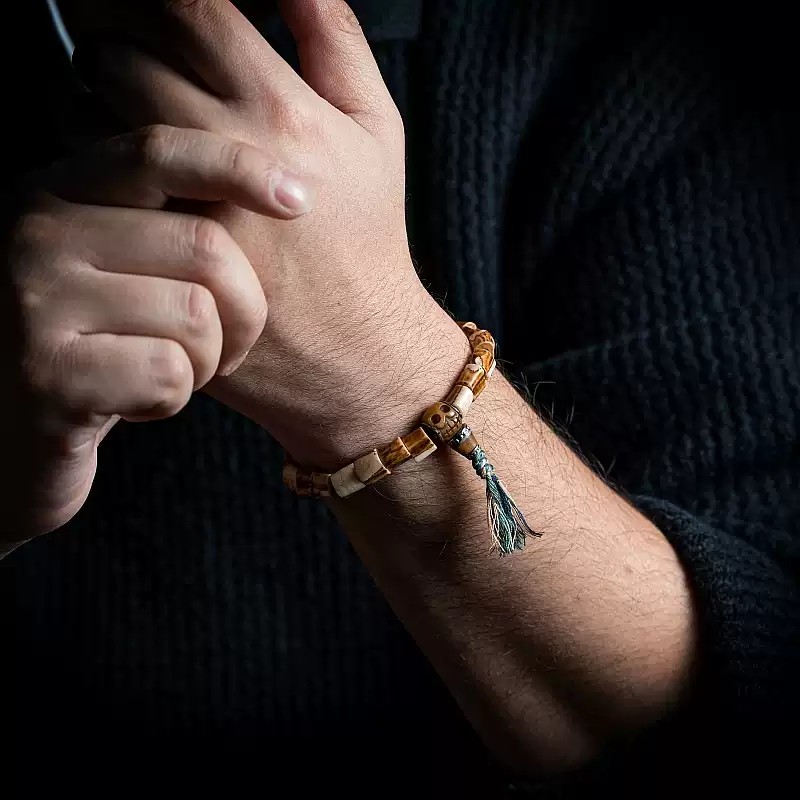
If you wear malas daily or while active, choose larger beads with stronger cords like elastic or nylon, and avoid delicate silk threads.
A broken mala isn't bad luck—it’s a sign of growth in your journey.
-
In Tibetan tradition, restringing is seen as part of the practice.
-
Prefer to restring at home? We can guide you! It’s a mindful and empowering ritual.