-.jpeg?w=936&h=936)
.jpeg?w=1920&h=1080)
From youth to gray hair, 30 years is the average career span of most Thangka painters. Through the experience accumulated over their first ten-odd years of continuous practice, and relying on unique production techniques and natural materials, the Thangkas they paint can remain unfaded for thousands of years.
The birth of Thangka, a painting technique that combines Buddhism and art, dates back over thousands of years. On the lightweight canvas, it has recorded scenes of the six realms of samsara, the birth of Sakyamuni, or the image of a deity. Whether it's the painting technique itself or the stories depicted on it, there are countless tales to share. Let’s take a brief journey into this mystical art.
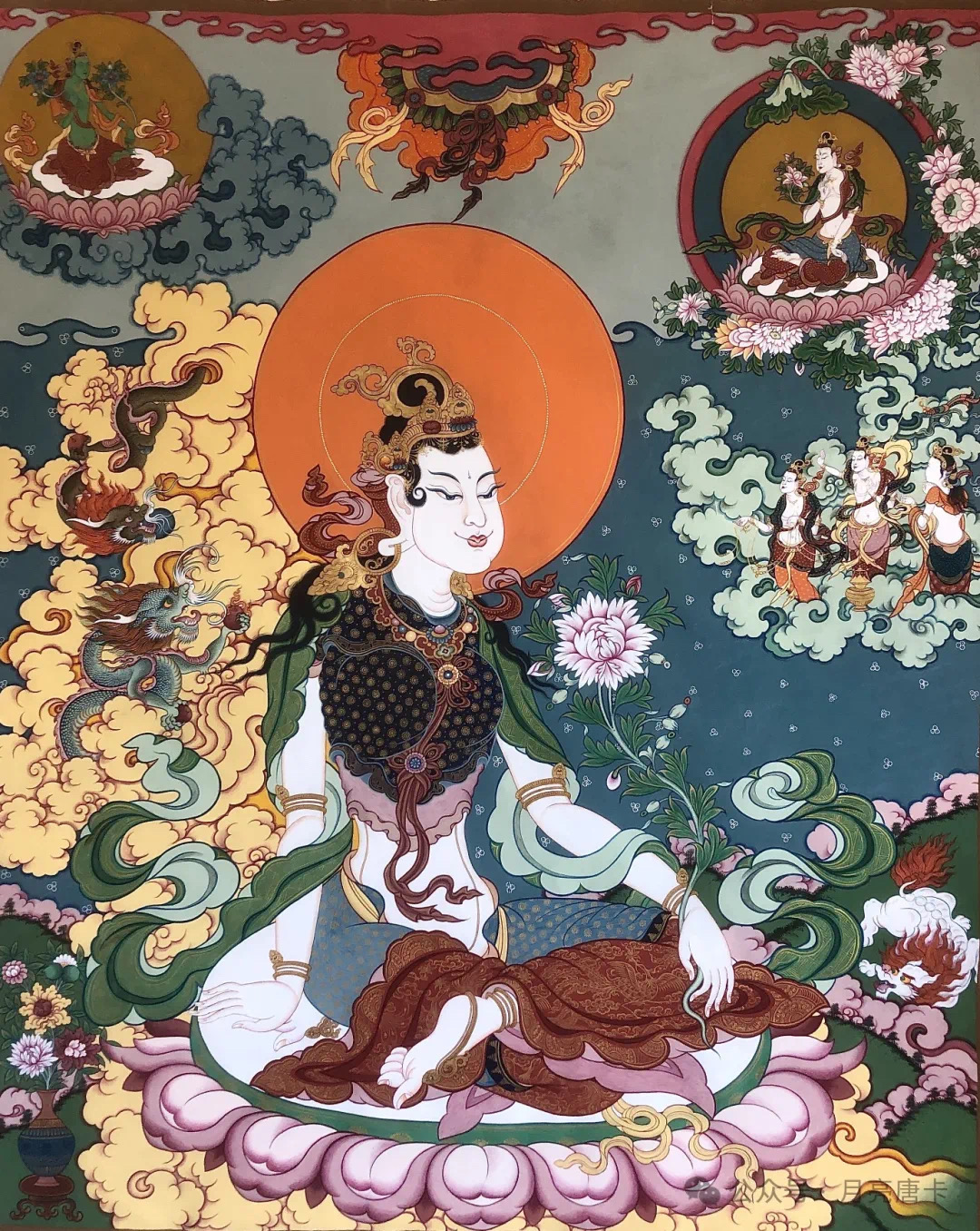
1. What is Thangka?
The word Thangka is a transliteration from the Tibetan language, originally referring to scroll paintings used for worship. Its origin can be traced back to the 7th–8th centuries AD in the Tibetan Tubo Dynasty (now in Tibet, western Sichuan, Qinghai, northern India, etc.).
At that time, in order to let more people—especially illiterate believers—understand the stories and doctrines in Buddhist scriptures, Buddha images and Buddhist texts were painted on cloth, becoming tools for missionary work and practice.
In the Mahayana Sutras, Buddhas suggested visualizing deities as one of the ways to cultivate inner virtues. Therefore, most Thangkas are actually regarded as a chapter of a certain Buddhist scripture.
Initially, these paintings were drawn on the walls and stone carvings of the numerous temples built at that time. Later, for convenience of carrying and practicing, similar painting techniques appeared on cloth, which was eventually called Thangka.
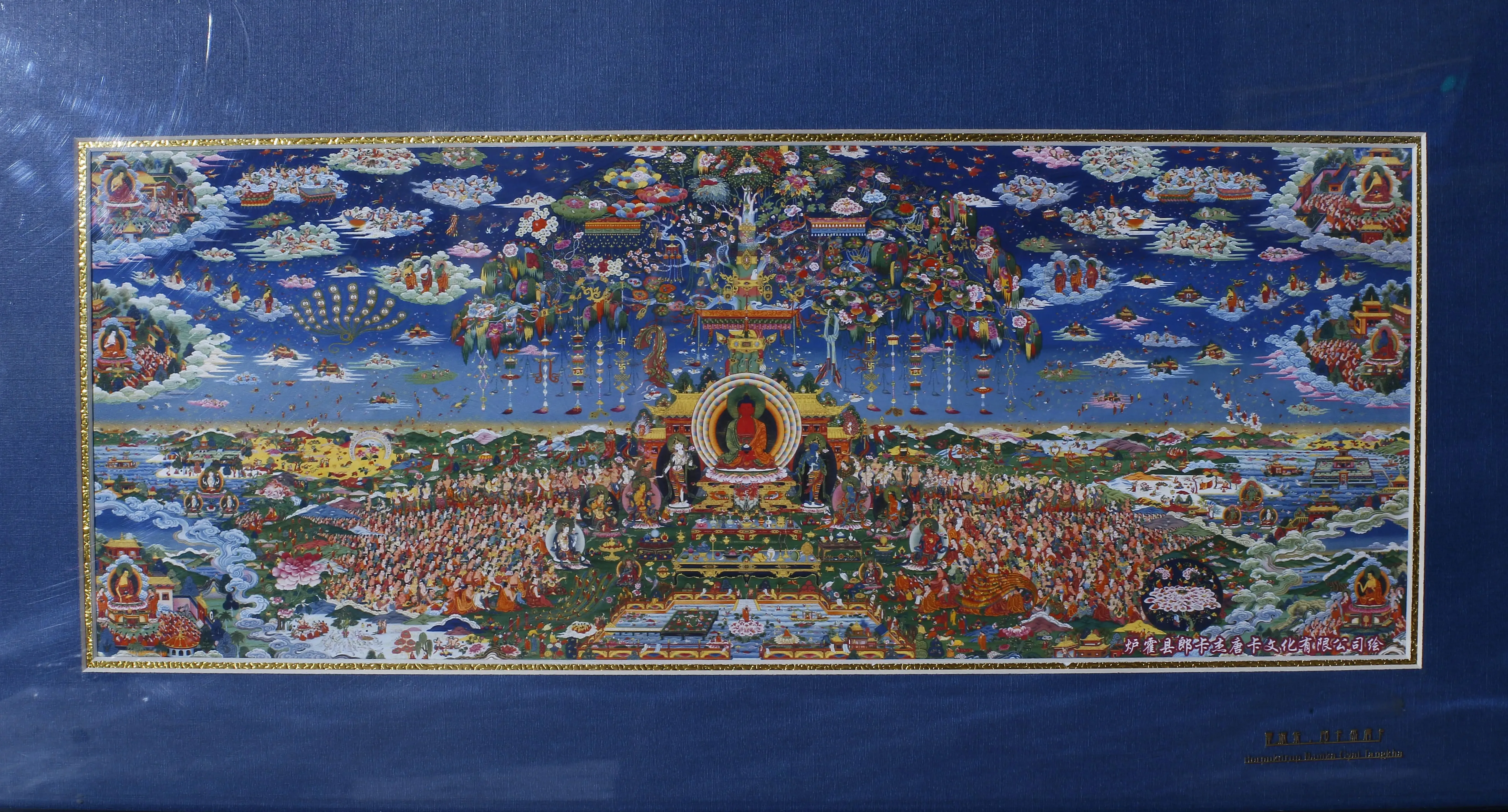
2. Common Types of Thangka
As mentioned, most Thangkas depict content described in Buddhist scriptures, so their presentations vary:
a. Buddhist Doctrines and Thoughts
Take the Mandala as an example.
-
The center of a Mandala represents freedom and truth, the place practitioners hope to reach.
-
A Mandala usually has four directions—east, west, south, and north—each with elements of doors or towers, symbolizing that the Dharma guides people’s bodies, communication, and inner thoughts to perfection.
-
The outer perimeter features colors representing the five elements: earth, water, fire, wind, and sky. These form the world, none of which is dispensable.
Many such Thangkas express Buddhist philosophical thoughts and worldviews, serving as a guide for practitioners.
b. Story Thangka
This type depicts stories in a comic-strip-like form.
For example, a Thangka may illustrate how Sakyamuni became a Buddha from a prince. The one shown in the picture is from the Menri school, with a history of nearly 400 years. Thanks to its natural mineral pigments, it has not faded even today.
c. Buddha and Bodhisattva Images
This is the most common type.
-
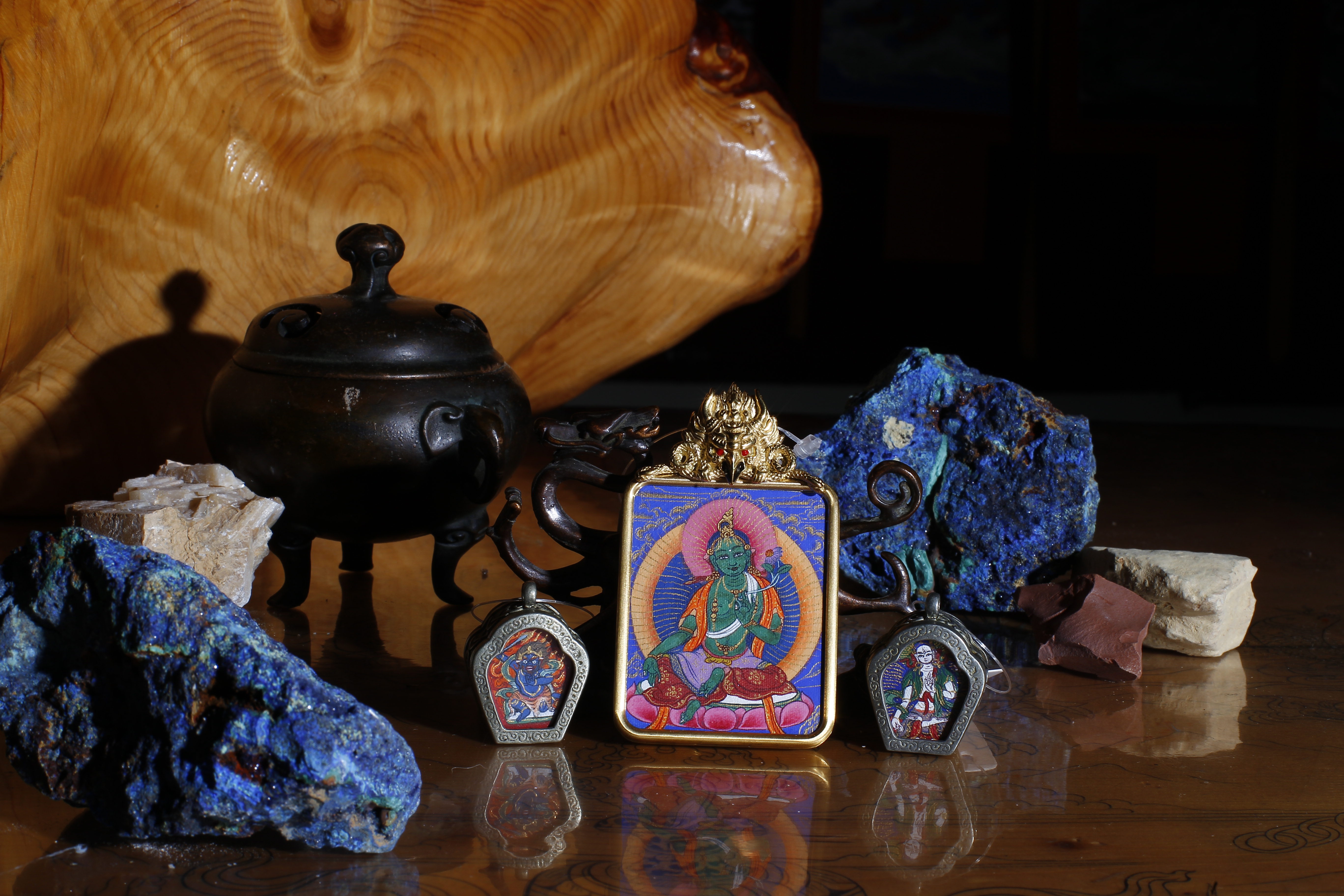
Green Tara: symbolizes wisdom, protects women’s intelligence and beauty, and blesses children’s healthy growth.
-
Yellow Jambhala: bestows auspiciousness, wealth, and success in career.
-
Manjushri: symbolizes intelligence and helps eliminate faults in speech.
Since Thangka is an art form, many painting schools and traditions have formed over thousands of years. The same deity may appear slightly different in color, lines, and composition.
3. Thangka Painting Techniques and Craftsmanship
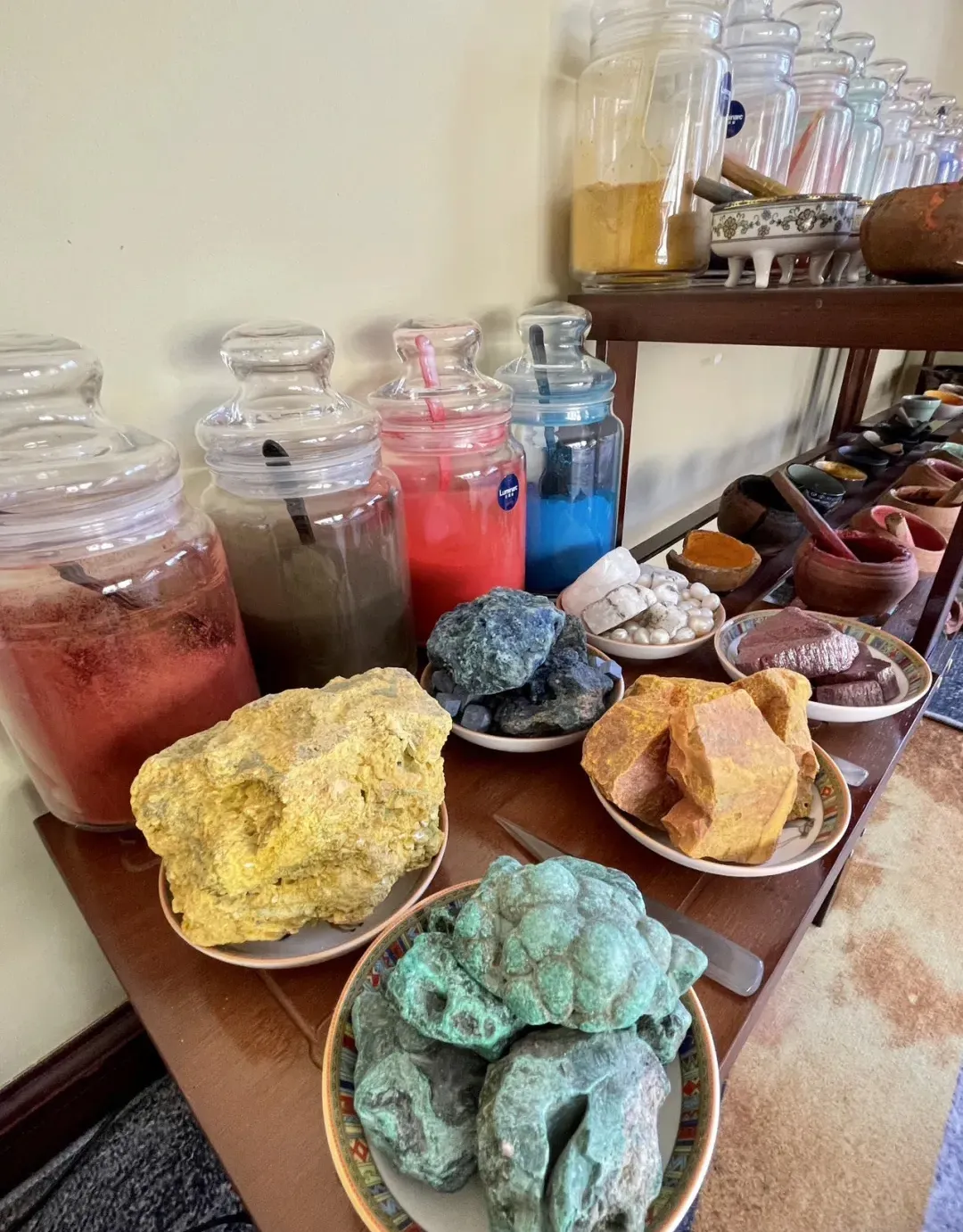
The colors used in painting Thangkas are derived from natural minerals or plants:
-
Red: cinnabar, coral
-
Blue: lapis lazuli
-
Green: malachite
-
Gold: real gold (for precious Thangkas)
Painters burn incense and pray before painting. Only those with Buddha in their hearts can vividly depict the divine charm.
The process includes drafting, outlining, coloring, and painting the face. Painters often lick the brush to apply pigment, causing toxic minerals to enter their bodies.
-
Training starts in childhood, lasting over ten years.
-
Peak creative years: 28–50.
-
Afterward, many painters stop due to blurred vision or trembling hands.
4. Conclusion
Behind every Thangka lies more than meets the eye.
-
Why do some believers cover their Thangkas with cloth?
-
What stories do different deities carry?
Share your first impression of Thangka in the comments—we’ll continue exploring in the next issue.